Introduction
The global landscape of air combat capabilities is rapidly evolving with significant upgrades to frontline fighter aircraft. Notably, Israel’s induction of the F-35 Adir stealth multirole fighter and South Korea’s ongoing modernization of its F-16 fleet alongside renewed demand for Boeing’s FA-18 aircraft have underscored a broader trend of enhancing air power through advanced technologies. For India, a country situated in a geopolitically sensitive neighborhood, these developments bear important strategic implications. This blog post provides a comprehensive analysis of these upgrades and explores how they could influence India’s air force modernization, procurement strategies, and regional power dynamics, particularly vis-à-vis China and Pakistan.
Global Fighter Jet Upgrades: An Overview
Israel’s F-35 Adir: Stealth and Sensor Fusion
Israel’s acquisition of the F-35 Adir represents the integration of fifth-generation stealth technology with cutting-edge avionics and sensor fusion capabilities. The F-35’s low observable characteristics, advanced AESA radar, electronic warfare suites, and network-centric warfare aptitude enable it to operate in contested airspaces with greater survivability and lethality. Israel has also tailored the F-35 for its unique operational requirements, integrating indigenous weapons and systems [1].
South Korean F-16 Modernization: Extending Fourth-Generation Relevance
South Korea’s upgrade program for its F-16 fleet focuses on enhancing avionics, radar, weapons compatibility, and survivability. These improvements include AESA radar retrofits, integration of new air-to-air and air-to-ground munitions, and enhanced electronic warfare systems. Such upgrades prolong the operational relevance of the F-16, a proven multirole platform.
Boeing FA-18: Continued Demand and Multirole Versatility
The Boeing FA-18 continues to see demand globally due to its multirole versatility and adaptability. Recent enhancements emphasize mission system upgrades, networked operations, and improved weapons integration, positioning the FA-18 as a capable platform in both air superiority and strike roles [2].
Comparative Assessment: F-35, Upgraded F-16, and FA-18 Capabilities
| Feature | F-35 Adir | Upgraded F-16 | Boeing FA-18 |
|---|---|---|---|
| Generation | Fifth | 4.5 (Advanced Fourth) | 4.5 (Advanced Fourth) |
| Stealth Capability | Low observable (stealth) | None | None |
| Radar System | AESA with sensor fusion | AESA retrofit | AESA in newer variants |
| Electronic Warfare | Advanced integrated EW suite | Enhanced EW systems | Advanced EW suites |
| Weapons Integration | Multinational and indigenous | Expanded arsenal compatibility | Wide range of air-to-air and air-to-ground munitions |
| Network-Centric Warfare | Fully networked with data fusion | Improved data link capabilities | Enhanced network interoperability |
| Operational Range | ~1,200 nautical miles | ~1,500 nautical miles | ~1,250 nautical miles |
The F-35’s stealth and sensor fusion provide a qualitative leap over upgraded fourth-generation fighters like the F-16 and FA-18. However, the upgraded F-16 and FA-18 offer cost-effective multirole capabilities with proven operational histories.
Implications for Indian Air Force Modernization and Procurement
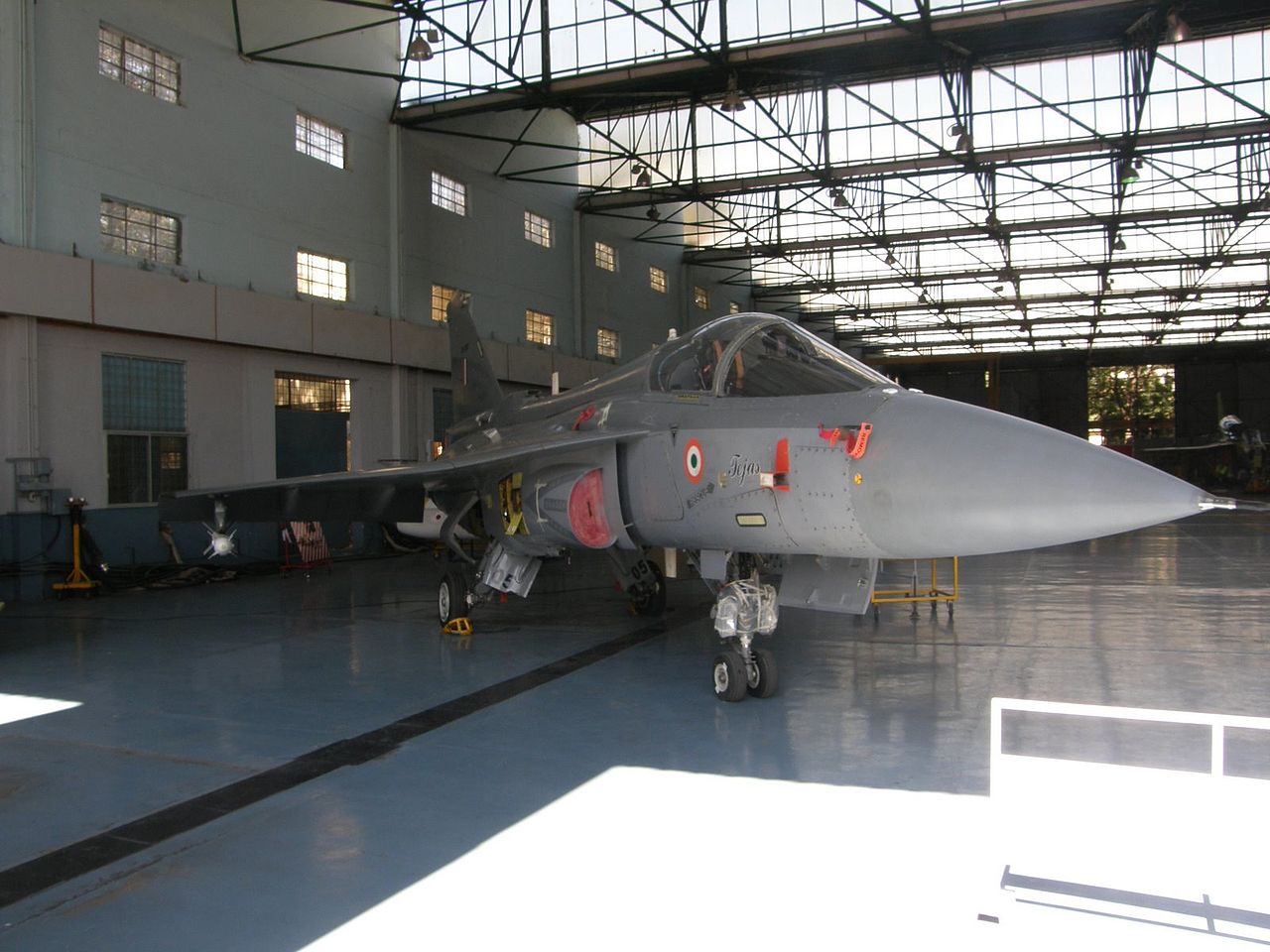
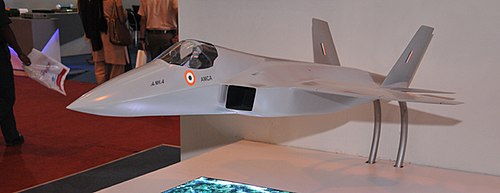
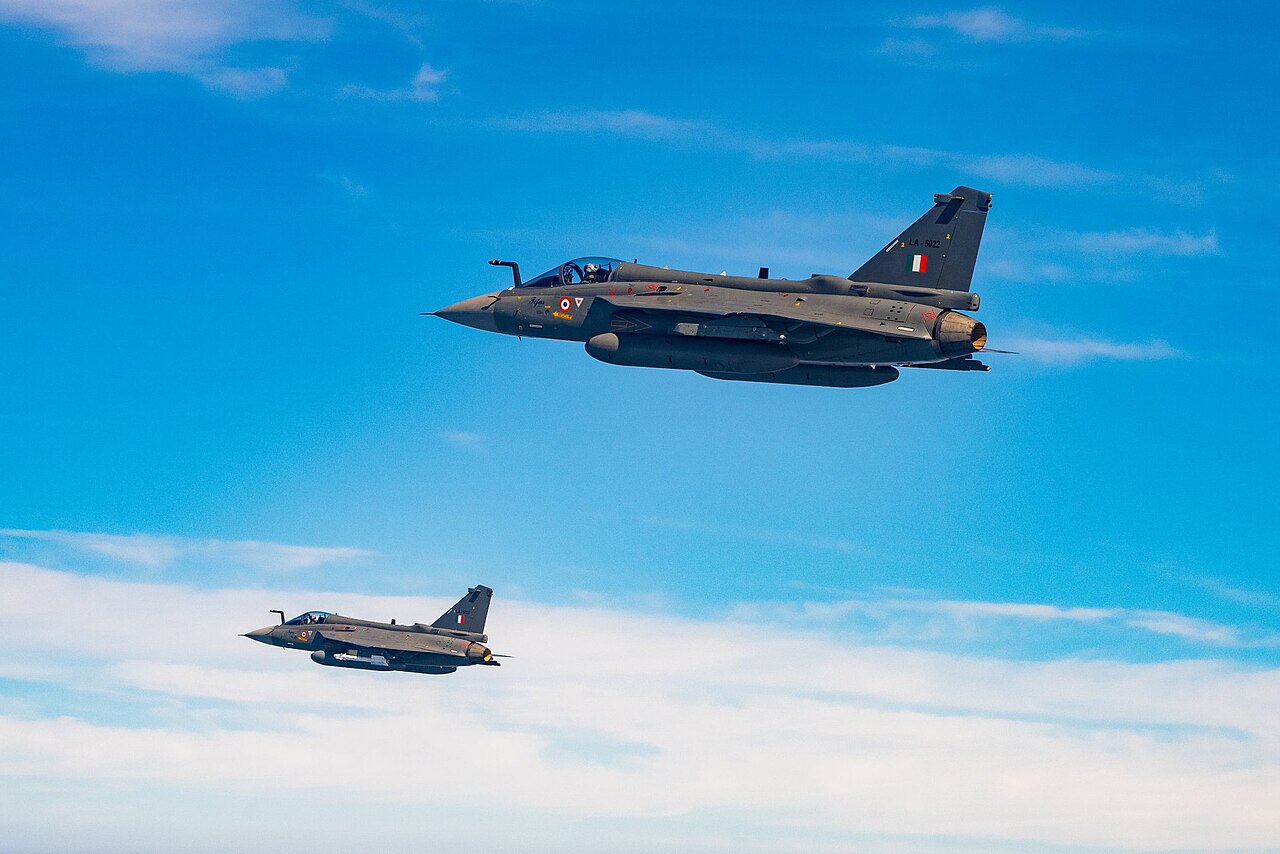
India’s current fighter fleet includes a mix of fourth-generation fighters (Su-30MKI, MiG-29UPG, Mirage 2000) and ongoing induction of the indigenous HAL Tejas Mk1A and Mk2, alongside future plans for the fifth-generation AMCA (Advanced Medium Combat Aircraft).
Potential Impact on Procurement Strategies
Stealth and Fifth-Generation Capability: The F-35’s operational success globally and regionally (e.g., Israel) signals the increasing importance of stealth fighters. India’s AMCA program aims to fill this gap domestically, but delays and technology challenges could necessitate interim procurements or collaborations for fifth-generation platforms.
Upgraded Fourth-Generation Platforms: South Korea’s F-16 upgrade model presents a viable blueprint for India to extend the life and capability of its existing fleet, such as the MiG-29 and Mirage 2000, through avionics and weapons upgrades. This approach can be cost-effective while ensuring operational relevance.
Multirole Flexibility: The FA-18’s continued demand highlights the value of versatile platforms capable of both air superiority and precision strike, which aligns with India’s requirement for flexible response options, especially in varied terrain and threat scenarios.
Integration Challenges and Opportunities
Integrating advanced fighter jets raises challenges related to:
Interoperability: Ensuring seamless communication and data sharing between diverse platforms, including indigenous and foreign systems.
Weapons Integration: Adapting and integrating new weapons, including indigenous armaments, on upgraded or new platforms.
Maintenance and Logistics: Advanced systems require sophisticated maintenance infrastructure and training.
Opportunities arise in leveraging India’s growing defense R&D ecosystem, exemplified by DRDO’s work on avionics and electronic warfare suites, to indigenize key technologies and reduce dependence on external suppliers.
Strategic Implications for India-China and India-Pakistan Air Balance
India-China Air Power Dynamics
China’s induction of stealth fighters (e.g., J-20) and modernization of its air force has notably shifted the regional air combat balance. The F-35’s capabilities, as showcased by Israel and allied countries, set a new benchmark for fifth-generation fighters. India’s efforts to develop and acquire comparable capabilities through AMCA and potential foreign acquisitions are crucial to maintaining air superiority and deterrence along the Line of Actual Control (LAC).
Upgraded fourth-generation fighters also play a critical role in sustaining a credible and layered air defense posture, providing flexibility and resilience.
India-Pakistan Air Balance
Pakistan’s air force, with its own fleet of F-16s and Chinese JF-17s, continues to modernize. The Korean F-16 upgrade program underscores the importance of avionics and weapons enhancements to sustain combat effectiveness. India’s ongoing upgrades and induction of advanced fighters will help maintain qualitative superiority, a vital factor given the contested airspace and frequent aerial skirmishes.
Geopolitical Context and Border Security Considerations
The rapid modernization of fighter fleets in the Indo-Pacific region reflects broader geopolitical shifts marked by strategic competition and alliance formations. For India, advancing air combat capabilities is integral to securing its borders, safeguarding airspace sovereignty, and projecting power in the Indian Ocean Region (IOR).
Border security along the Himalayan frontiers demands aircraft capable of operating in high-altitude and contested environments, with reliable sensor suites and precision strike capabilities. Upgraded fighters and next-generation stealth platforms provide essential tools for surveillance, early warning, and rapid response.
Conclusion
The ongoing global upgrades to fighter aircraft such as Israel’s F-35 Adir, South Korea’s modernized F-16s, and the enduring demand for Boeing’s FA-18 offer valuable insights for India’s air power trajectory. Balancing the induction of fifth-generation stealth fighters with cost-effective upgrades to existing fleets will be key to maintaining air superiority in a complex strategic environment. Integration challenges notwithstanding, these advancements underscore the imperative for India to accelerate indigenous development, deepen strategic partnerships, and enhance operational readiness to address evolving threats from China and Pakistan.
Key Takeaways
- Israel’s F-35 Adir exemplifies fifth-generation stealth and sensor fusion, setting new standards for air combat capabilities.
- South Korea’s F-16 upgrades demonstrate how fourth-generation fighters can remain relevant through avionics and weapons enhancements.
- India’s air force modernization must balance indigenous fifth-generation development with upgrades to existing platforms for cost-effective capability enhancement.
- Strategic air power advancements are critical to maintaining a favorable India-China and India-Pakistan air balance, especially in contested border regions.
- Effective integration of advanced technology and indigenous innovation will shape India’s future air combat effectiveness and regional power projection.