Introduction
The global landscape of fighter aircraft modernization is witnessing rapid technological evolution, driven by the need to maintain air superiority and operational relevance amidst emerging threats. Countries worldwide are upgrading legacy platforms with advanced avionics, weapons systems, and stealth features. For India, which is simultaneously pursuing indigenous fighter development through the HAL Tejas program and upgrading its existing fleet, these global trends offer valuable lessons. This article reviews key fighter jet modernization programs, focusing on South Korea’s F-16 upgrades and Boeing’s FA-18 enhancements, and draws insights for India’s defense technology trajectory.
Global Fighter Jet Modernization: An Overview
Modern fighter aircraft upgrade programs typically focus on three pillars: avionics modernization, weapons integration, and survivability enhancements including stealth and electronic warfare capabilities. Among the most notable programs in recent years are:
South Korea’s F-16 Upgrades: South Korea, operating a large fleet of Block 32 and Block 52 F-16s, has embarked on advanced mid-life upgrade programs. These include AESA radar integration, improved electronic warfare suites, and expanded weapons compatibility, extending service life and combat effectiveness.
Boeing’s FA-18 Super Hornet Modernizations: The FA-18 continues to receive iterative upgrades such as the Advanced Cockpit System, enhanced radar and sensor fusion, and new weapons integration, including long-range air-to-air missiles and precision-guided munitions.
These programs reflect a growing trend of enhancing legacy platforms to bridge capability gaps until next-generation fighters become operational. They also underscore a strategic preference for versatility, network-centric warfare readiness, and survivability in contested airspaces.
Technological Innovations in Modernizations
Avionics and Sensor Upgrades
The transition to Active Electronically Scanned Array (AESA) radars is a defining feature of modern fighter upgrades. AESA radars provide superior detection range, multi-target tracking, and resistance to jamming. South Korea’s F-16 upgrade replaces older radars with Northrop Grumman’s AN/APG-83 SABR AESA radar, dramatically improving situational awareness.
Similarly, Boeing’s FA-18 incorporates the AN/APG-79 AESA radar, coupled with advanced sensor fusion algorithms that integrate radar, electronic warfare, and targeting pod data into a coherent tactical picture. These advancements increase target acquisition speed and reduce pilot workload.
Weapons Integration and Expanded Payloads
Upgraded fighters are being equipped to deploy a wider array of precision-guided munitions, including beyond-visual-range (BVR) missiles, stand-off weapons, and smart bombs. The Korean F-16 upgrade enables firing of the AIM-120D AMRAAM and AGM-158 JASSM, enhancing strike reach and lethality.
The FA-18 modernization supports integration of the latest air-to-air and air-to-ground weapons, such as the AIM-9X Sidewinder and the Joint Air-to-Surface Standoff Missile (JASSM). This flexibility allows operators to tailor loadouts for various mission profiles, from air superiority to deep strike.
Stealth and Survivability Enhancements
While legacy fighters cannot match the stealth of fifth-generation platforms, upgrades focus on reducing radar cross-section (RCS) through airframe modifications and radar-absorbent materials. Electronic warfare systems are enhanced to provide active jamming and deception capabilities.
Both Korean F-16s and FA-18s have received updated electronic warfare suites capable of detecting and countering modern radar and missile threats, improving survivability in contested environments.
Implications for India’s Fighter Development and Modernization
The HAL Tejas Program and Indigenous Development
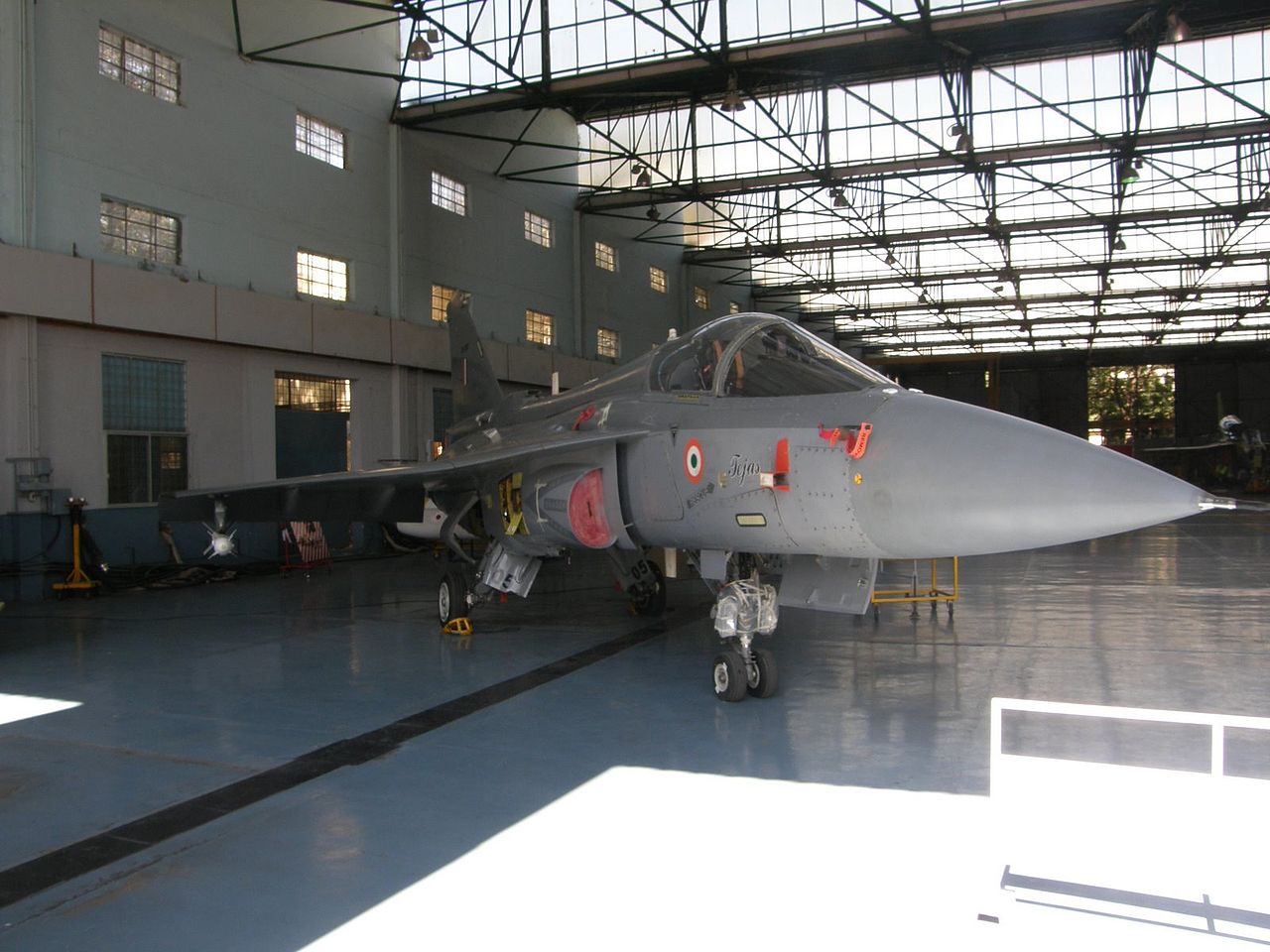
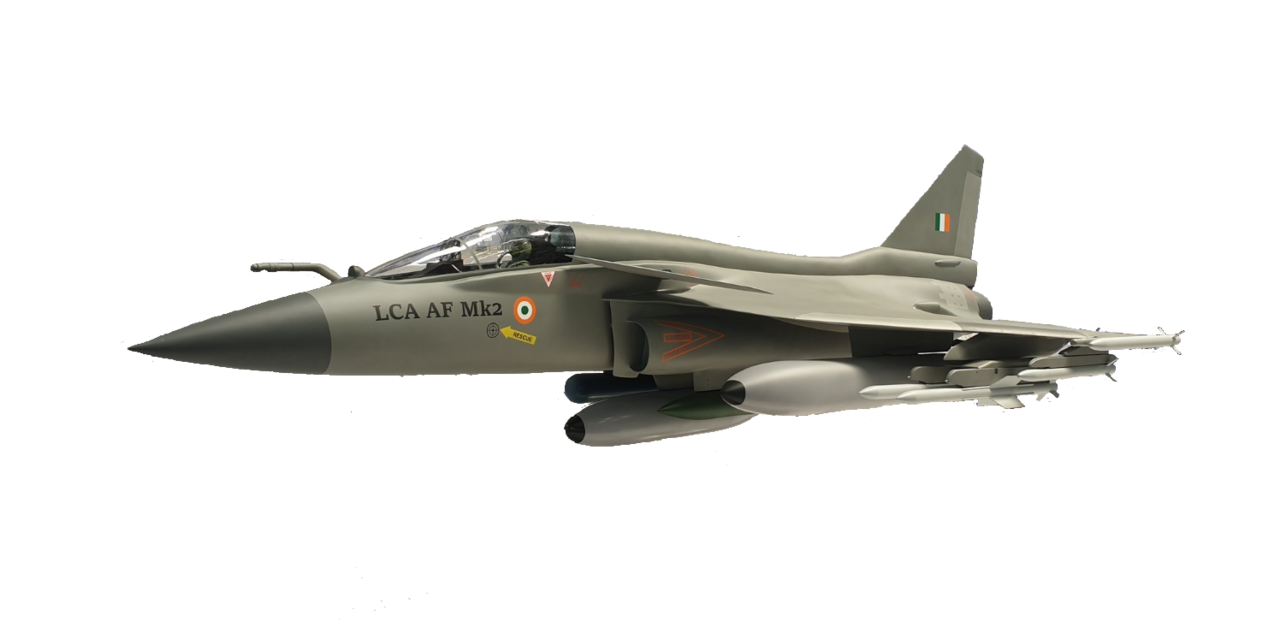
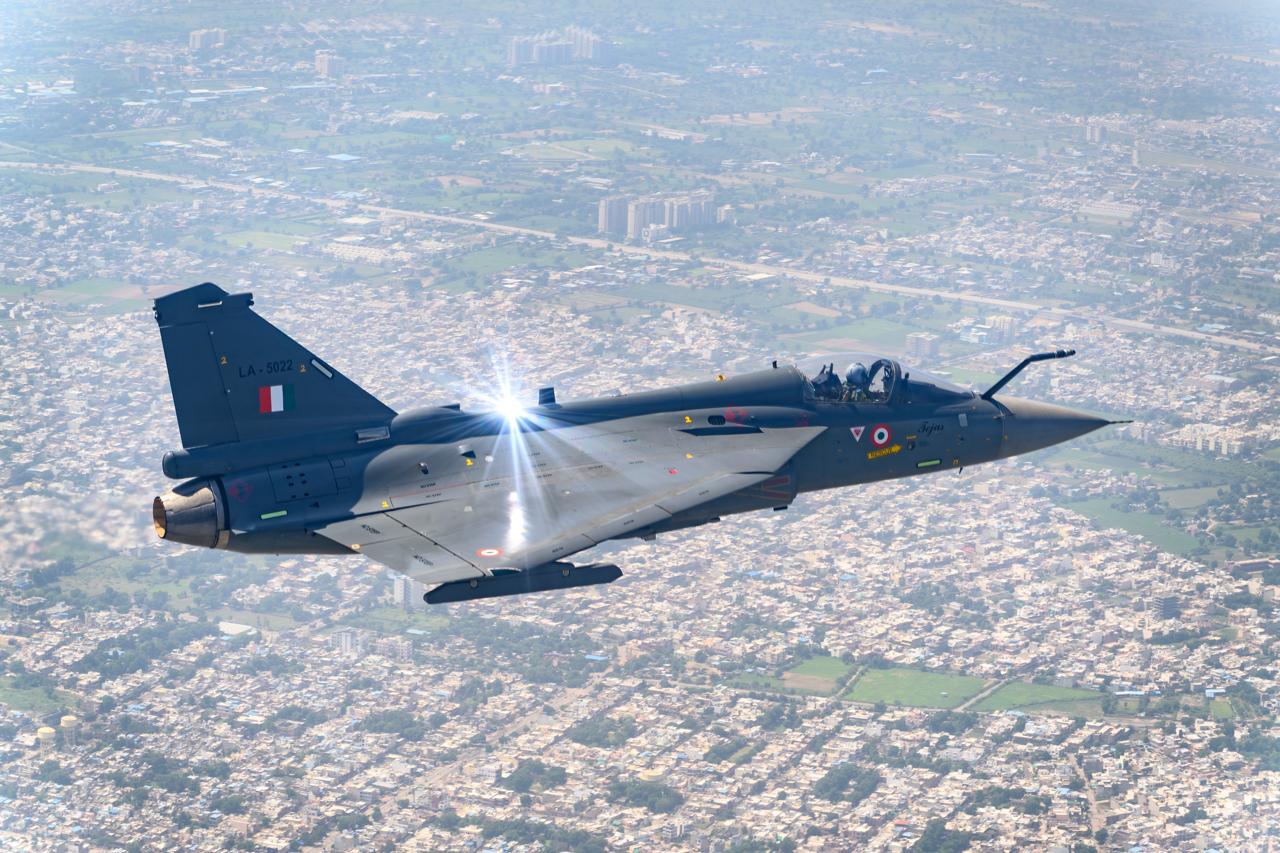
India’s Light Combat Aircraft (LCA) Tejas represents a significant step toward self-reliance in defense aviation. However, the Tejas Mk1 and Mk1A variants face competition from upgraded legacy fighters globally. Lessons from Korean and American upgrade programs emphasize the importance of:
Advanced AESA radars: Tejas Mk1A integration of the Uttam AESA radar is a positive step, but continuous improvements and indigenous development of sensor fusion capabilities are necessary to keep pace.
Weapons systems integration: The ability to deploy a diverse range of indigenous and foreign munitions, including BVR missiles like the Astra, precision-guided bombs, and potential integration of future weapons, is critical.
Electronic warfare and survivability: Indigenous development of robust EW suites and stealth-enhancing measures must be prioritized to enhance survivability against sophisticated adversaries.
Fleet Modernization and Upgrade Strategies
India’s current fighter inventory includes MiG-29s, Jaguars, Su-30MKIs, and Mirage 2000s, many of which are undergoing or slated for upgrades. Incorporating lessons from global programs:
Mid-life upgrades with AESA radars and EW suites can significantly extend service life and combat effectiveness.
Modular avionics architecture will ease future upgrades and integration of new weapons.
Enhanced interoperability with network-centric warfare assets, such as airborne early warning and control (AEW&C) aircraft, is essential for modern combat scenarios.
Strategic and Border Security Considerations
India’s geopolitical context—characterized by border tensions with China and Pakistan—demands a capable and modern air force able to operate in diverse environments, including high-altitude conflict zones. Upgraded fighters with improved sensors and weapons provide a qualitative edge necessary for effective deterrence and rapid response.
The integration of cutting-edge technology also supports India’s broader strategic goals of self-reliance (Atmanirbhar Bharat) in defense production and reduces dependence on foreign suppliers, which is crucial amid shifting global alliances.
Challenges and Opportunities
Challenges
Technology Transfer and Indigenous Capability: India’s ability to absorb and replicate advanced technologies such as AESA radars, sensor fusion, and stealth materials remains a bottleneck.
Cost and Time Overruns: Indigenous programs like Tejas have faced delays and budget escalations; efficient project management is critical.
Integration Complexity: Combining multiple new systems without compromising aircraft performance requires advanced systems engineering.
Opportunities
Collaborations and Joint Ventures: Partnering with global OEMs can accelerate technology acquisition and capability building.
Focus on Software and Network-Centric Warfare: Indigenous strengths in software development can be leveraged for advanced avionics and mission systems.
Incremental Upgrades: Adopting phased modernization approaches ensures continuous capability enhancement without operational gaps.
Conclusion
The evolution of fighter jet modernization programs globally demonstrates a clear trajectory toward advanced avionics, enhanced weapons integration, and survivability enhancements. South Korea’s F-16 and Boeing’s FA-18 upgrade programs exemplify how legacy platforms can be effectively modernized to meet contemporary threats.
For India, these global developments provide a valuable blueprint to refine its indigenous fighter programs and upgrade strategies. Emphasizing advanced radar systems, flexible weapons integration, and survivability solutions, while addressing indigenous capability gaps, will be key to maintaining air combat effectiveness in an increasingly complex regional security environment.
Key Takeaways
- Global fighter upgrade programs focus on AESA radars, advanced avionics, weapons integration, and survivability enhancements to maintain operational relevance.
- South Korea’s F-16 and Boeing’s FA-18 modernization efforts provide practical lessons for India’s Tejas program, especially in sensor technology and weapons compatibility.
- India must prioritize indigenous development of avionics, electronic warfare systems, and modular architectures to sustain fighter modernization and reduce foreign dependency.
- Upgraded fighter capabilities are critical to India’s strategic posture and border security in the face of evolving threats from regional adversaries.
- Collaborative partnerships and incremental upgrades offer pathways to overcome technology and program management challenges in indigenous fighter development.