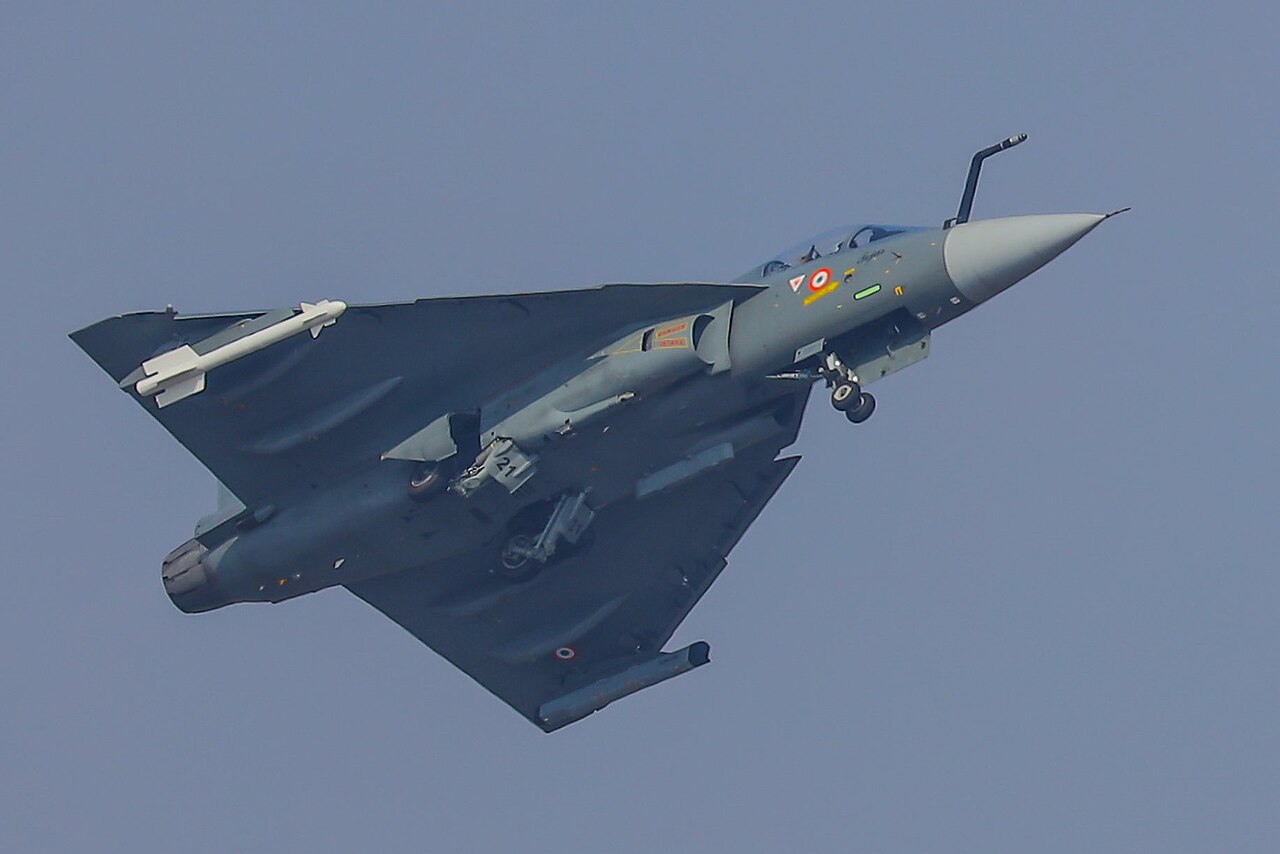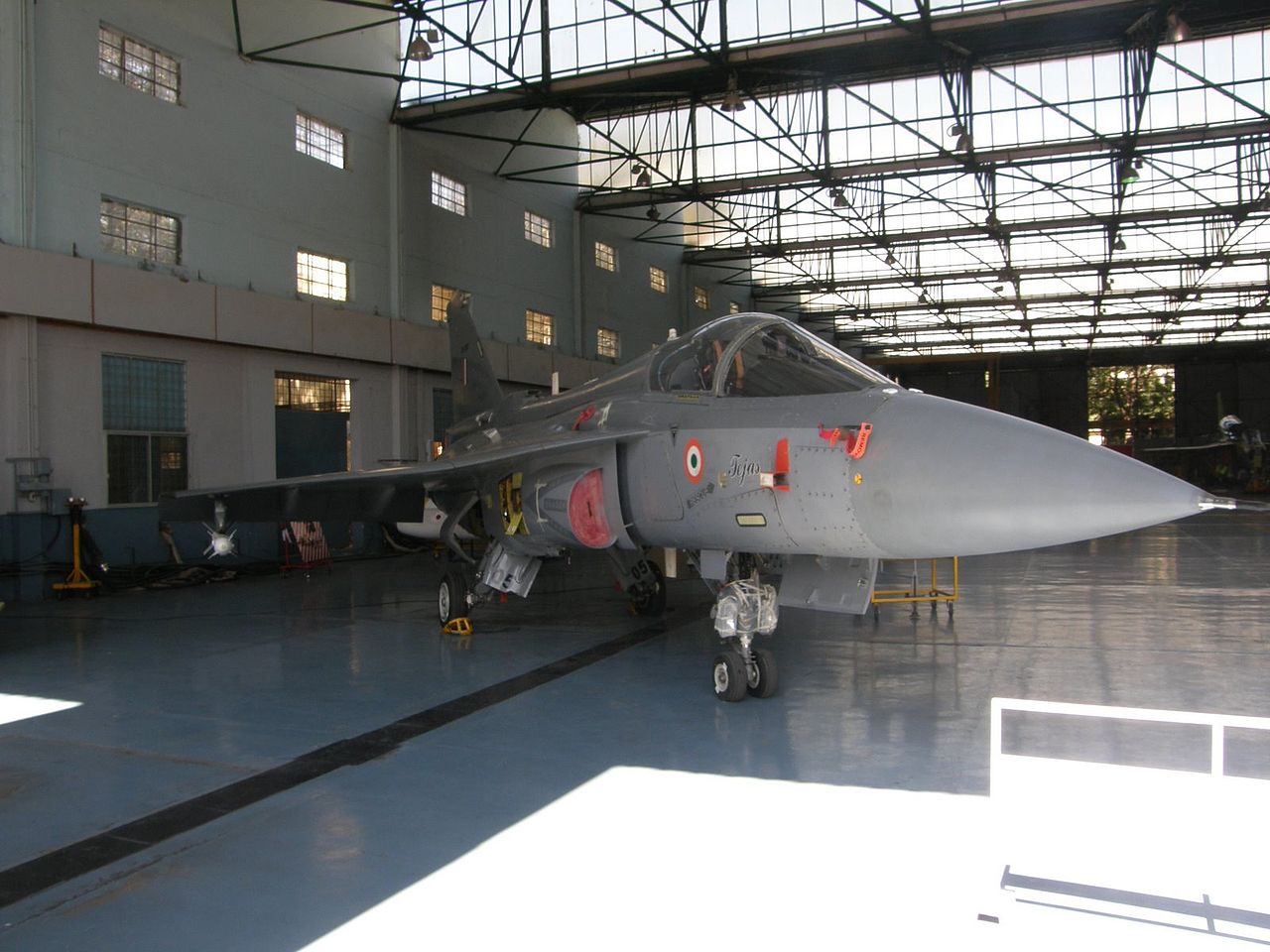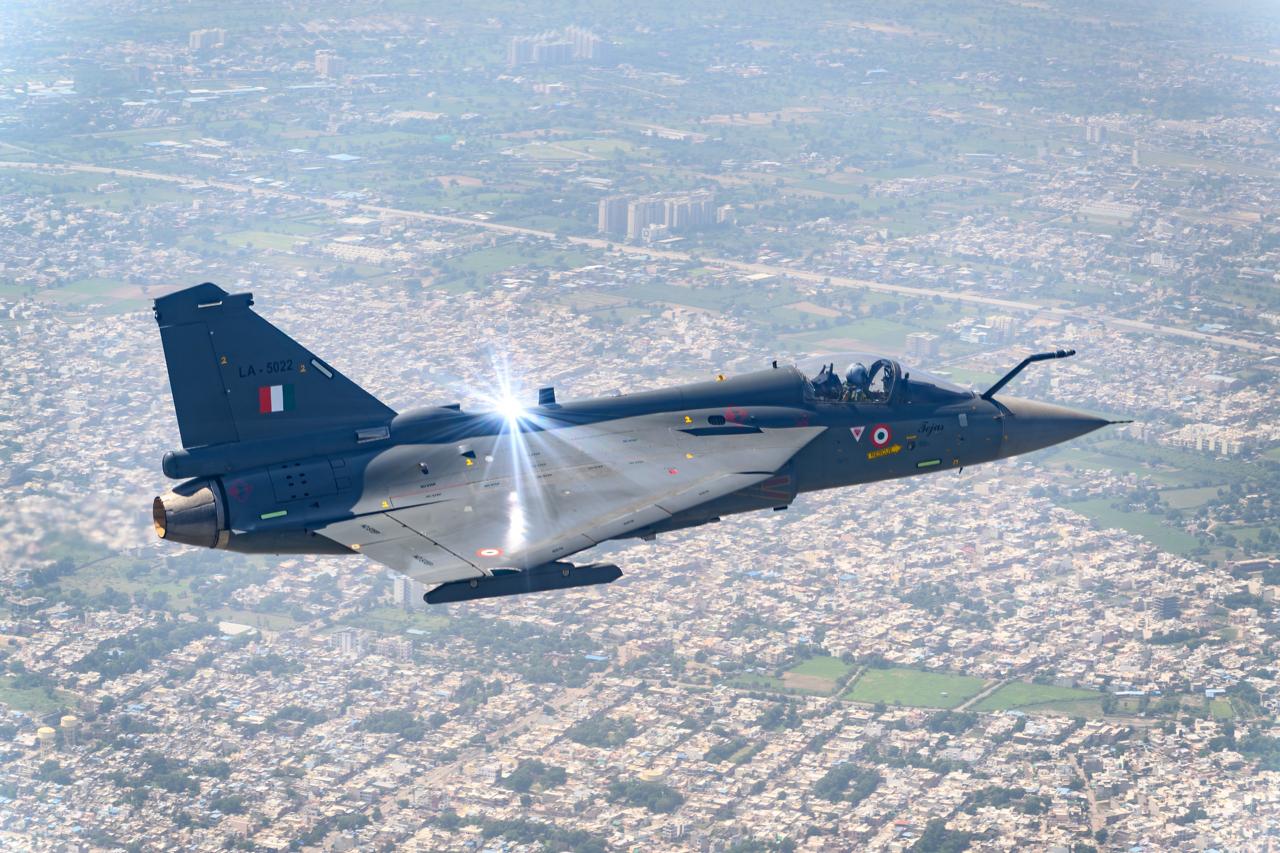
Since its induction, the HAL Tejas has represented India’s push towards self-reliance in advanced fighter aircraft technology. With the recent successful validation of the twin ASRAAM (Advanced Short-Range Air-to-Air Missile) missile launcher on the Tejas Mk1A variant, India takes a substantial step forward in augmenting the close-combat capabilities of its light combat aircraft fleet. This development not only enhances the tactical versatility of the Tejas Mk1A but also signals a strategic evolution in India’s air combat readiness against near-peer adversaries.
This blog provides a comprehensive analysis of the technical advantages offered by the ASRAAM system, its integration on Tejas Mk1A, and the broader implications for India’s air superiority doctrine amid evolving regional security dynamics.
Technical Overview of the ASRAAM Missile and Its Advantages
The ASRAAM is a state-of-the-art short-range, infrared homing air-to-air missile developed by MBDA UK. It is designed specifically for high agility and superior dogfight performance, offering a significant edge in close-quarters aerial engagements. Key characteristics of the ASRAAM include:
- High Speed and Agility: The missile can reach speeds over Mach 3, with thrust-vectoring control allowing extreme maneuverability – critical for engaging highly evasive targets in close combat.
- Advanced Infrared Seeker: Its imaging infrared seeker provides excellent target discrimination, resistance to countermeasures, and lock-on after launch capability, allowing pilots to engage targets even outside their visual field.
- Extended Range: Although primarily a short-range missile, ASRAAM’s range surpasses many existing close-combat missiles, offering pilots more engagement options.
- Quick Reaction Time: Enhanced launch readiness and rapid lock-on facilitate split-second responses in dynamic dogfight scenarios.
By equipping the Tejas Mk1A with twin ASRAAM launchers, the Indian Air Force (IAF) significantly enhances the platform’s lethality in close-range engagements, which remain decisive in modern air combat where electronic warfare and beyond-visual-range (BVR) engagements coexist with dogfights.
Tejas Mk1A’s Upgraded Weapon Systems and Tactical Flexibility
The Mk1A variant of Tejas incorporates several avionics, sensor, and weapon system upgrades over its predecessor, including advanced AESA radar, electronic warfare suites, and improved cockpit ergonomics. Integrating the twin ASRAAM missile launcher complements these upgrades by:
- Expanding Weapons Mix: The ability to carry twin ASRAAMs alongside medium-range missiles (like the Derby or Astra) and precision-guided bombs allows pilots to tailor loadouts for diverse mission profiles.
- Enhanced Survivability: The ASRAAM’s lock-on-after-launch and high agility reduce the chance of missile evasion, increasing kill probability in contested airspace.
- Seamless Integration with Sensors: Mk1A’s radar and infrared search and track systems synergize with ASRAAM’s targeting, enabling rapid target acquisition and engagement cycles.
- Increased Close-Combat Confidence: Pilots gain greater confidence in dogfight scenarios, knowing their aircraft is armed with one of the world’s most capable short-range missiles.
These factors collectively improve the Tejas Mk1A’s tactical flexibility, allowing it to perform effectively in air superiority, interception, and multi-role strike missions.
Strategic Implications for India’s Air Combat Readiness
India’s air combat environment is characterized by the presence of capable regional adversaries fielding advanced fighter platforms such as China’s J-10 and J-20, and Pakistan’s JF-17 and F-16 jets. The successful ASRAAM integration on Tejas Mk1A has several strategic implications:
- Closing Capability Gaps: Light combat aircraft like Tejas Mk1A equipped with ASRAAM can hold their own in dogfights, previously a domain dominated by heavier fighters. This reduces reliance on limited numbers of high-end fighters for close combat roles.
- Force Multiplier Effect: Enhanced lethality of Tejas Mk1A contributes to a more balanced and layered air combat force structure, improving overall IAF operational resilience.
- Deterrence and Tactical Edge: Superior short-range missile capability acts as a deterrent against aggressive aerial maneuvers by adversaries, influencing their engagement calculus.
- Synergy with Indigenous Development: The integration underscores India’s growing ability to incorporate cutting-edge foreign missile technology with indigenous platforms, paving the way for future indigenous missile systems.
Moreover, the twin ASRAAM validation aligns with India’s broader strategic objective of modernizing its air force to ensure dominance in the evolving aerial battlespace of South Asia.
Comparison with Competitor Platforms and Future Upgrade Pathways
Compared to competitor platforms in the light fighter category, Tejas Mk1A armed with ASRAAM stands out notably:
- Against Pakistan’s JF-17: The JF-17 typically carries the PL-5 or PL-10 short-range missiles, which, while capable, lack some of the ASRAAM’s advanced seeker and agility features.
- Against Chinese J-10: The J-10 is equipped with PL-10 missiles, which are comparable but the ASRAAM’s lock-on-after-launch and extended range provide the Tejas Mk1A a nuanced advantage.
- Legacy versus Modernization: Older IAF fighters such as MiG-21s and MiG-29s are gradually being phased out or upgraded; Tejas Mk1A with ASRAAM represents the future-ready platform with integrated weapons technology.
Looking ahead, the Tejas Mk1A is poised for further enhancements including:
- Integration of Indigenous Missiles: Efforts are underway to integrate DRDO-developed Astra missile series for beyond visual range and close combat scenarios.
- Upgraded Electronic Warfare Systems: To complement missile capability with survivability against modern air defense systems.
- Network-Centric Operations: Enhanced data link capabilities for cooperative engagement and information sharing within the IAF fleet.
These pathways will ensure that the Tejas remains a formidable component of India’s air combat fleet for decades.
Geopolitical Context and Border Security Considerations
The validation of the twin ASRAAM missile launcher comes at a time of heightened regional tensions, particularly along India’s northern and western borders where air power plays a critical role in deterrence and rapid response. The improved dogfight capability of Tejas Mk1A:
- Strengthens Airspace Sovereignty: Enables the IAF to better counter incursions or aggressive air operations by adversary aircraft.
- Supports Integrated Defense Posture: Enhances synergy with ground-based air defense systems and surveillance networks for layered defense.
- Advances Indigenous Defense Ecosystem: Demonstrates India’s commitment to self-reliance while maintaining interoperability with allied systems.
In sum, the capability upgrade represents a significant boost to India’s combat air power readiness in a complex, multipolar security environment.
Key Takeaways
- The integration of the twin ASRAAM missile launcher on Tejas Mk1A significantly enhances its close combat and dogfight capabilities, providing high-speed, highly maneuverable missile options.
- Upgraded weapon systems on the Tejas Mk1A improve tactical flexibility, survivability, and lethality, strengthening India’s air combat doctrine against near-peer adversaries.
- Strategically, this development acts as a force multiplier and deterrent, reinforcing India’s air superiority in a volatile regional security environment.
- Compared to competitor platforms, Tejas Mk1A with ASRAAM offers a competitive edge in short-range aerial engagements and paves the way for future indigenous missile integrations.
- The validation aligns with India’s broader goals of modernizing its air force and achieving a balanced, network-centric combat capability.
Sources
- Defence News India. “Tejas Mk1A Successfully Validates Twin ASRAAM Close Combat Missile Launcher for Superior Dogfight Performance.” 2026-02-11. https://www.defencenews.in/threads/tejas-mk1a-successfully-validates-twin-asraam-close-combat-missile-launcher-for-superior-dogfight-performance.16860/
- DRDO Official. “Technology Transfer (ToT).” 2026-02-11. https://www.drdo.gov.in/drdo/en/offerings/schemes-and-services/tot
This analysis is intended for defense professionals and enthusiasts seeking an informed perspective on India’s evolving fighter capabilities and strategic air power posture.