Introduction
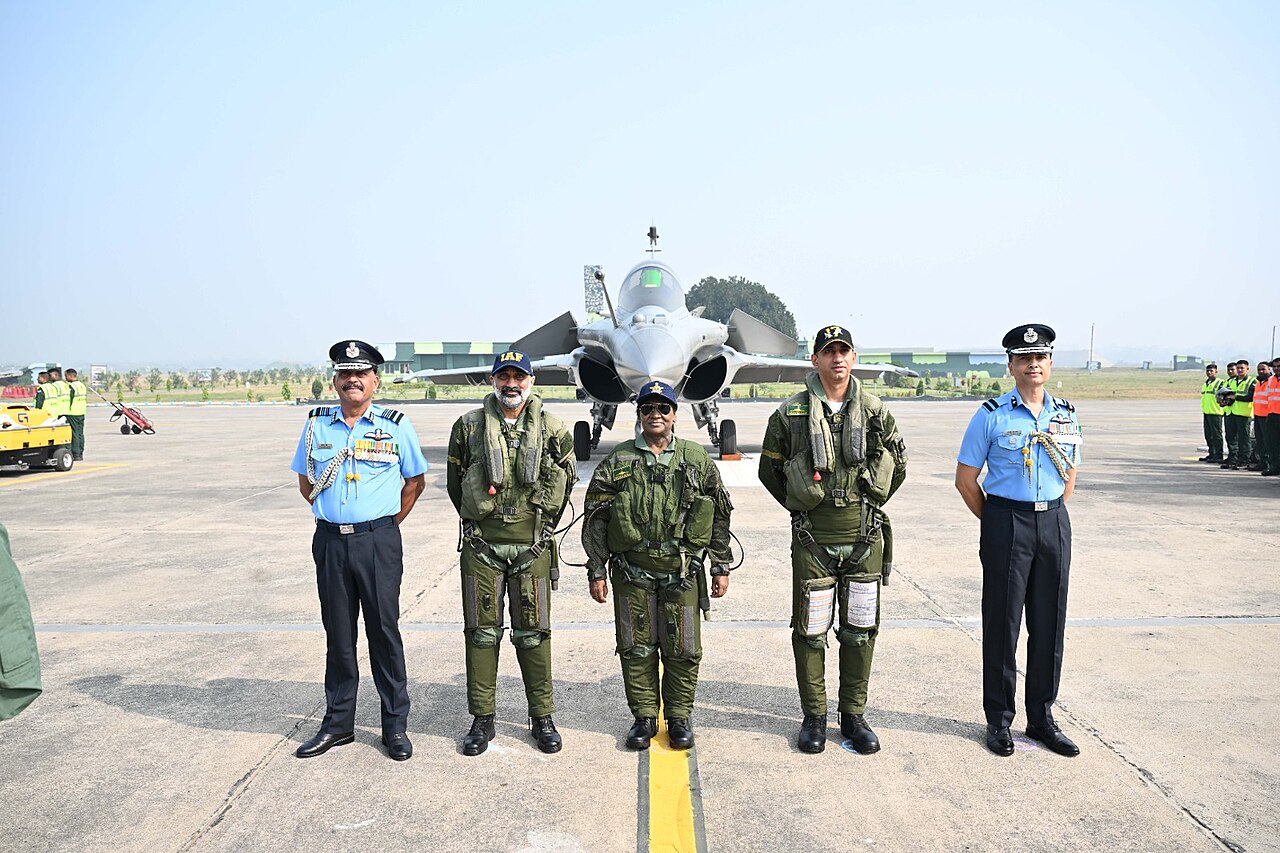
The India-France Rafale deal remains a cornerstone of India’s ongoing defense modernization and indigenous manufacturing ambitions. Since the agreement was inked, the strategic procurement of the Rafale fighter jets has evolved beyond mere acquisition to become a catalyst for India’s long-term self-reliance in defense production. This blog post provides a timeline assessment of the Rafale deal, focusing on the integration of local supply chains, the involvement of Indian industry players, and the broader implications for India’s aerospace industrial base, technological capabilities, and defense export potential.
Background: Strategic Procurement and Make in India
India’s acquisition of the Dassault Rafale multirole combat aircraft is a defining step in upgrading its Air Force’s operational capabilities amid a challenging regional security environment. The deal, originally signed in 2016 and operationalized over subsequent years, includes not only the supply of frontline aircraft but also an emphasis on local production and technology transfer under the “Make in India” initiative. This aligns with India’s broader strategic objective to reduce dependence on foreign defense imports and develop a robust domestic aerospace and defense industrial ecosystem.
Milestones in Local Supply Chain Integration
One of the critical facets of the Rafale deal is the prioritization of local supply chains. Over the past years, several key milestones have been achieved:
Initial Deliveries and Indigenous Components: The initial batch of Rafale fighters delivered to the Indian Air Force (IAF) included components and subsystems sourced from Indian vendors, marking a significant shift from complete foreign import to partial local manufacturing.
Indian Vendor Registration and Participation: As per the Defence Research and Development Organisation (DRDO) initiatives, platforms such as the Industry Partner Registration (Seller/Supplier) portal facilitate Indian private and public sector companies’ registration to participate in defense production and maintenance (Source: DRDO Official - Industry Partner Registration).
Certification and Quality Assurance: The Controllerate of Quality Assurance (CEMILAC) has implemented an e-certification portal to streamline quality control and certification processes for locally manufactured parts (Source: CEMILAC e-Certification Portal). This has accelerated the integration of indigenous components into the Rafale supply chain.
Collaboration with Indian Aerospace Firms: Several Indian companies, including both private entities and public sector undertakings, have been engaged in manufacturing Rafale parts, maintenance, and overhaul services. This includes precision machining, avionics assembly, and weapon system integration.
Role of Indian Industry: Public and Private Sector Synergy
The Rafale deal has energized India’s defense industrial base by fostering synergies between public sector units like Hindustan Aeronautics Limited (HAL) and private sector firms such as Larsen & Toubro, Bharat Forge, and Tata Advanced Systems. These companies contribute to various elements, including:
- Manufacturing structural components and subsystems.
- Local assembly and integration of avionics and electronic warfare systems.
- Maintenance, repair, and overhaul (MRO) capabilities, reducing turnaround time and operational costs for the IAF.
This collaborative approach not only advances indigenous manufacturing capabilities but also creates high-skilled employment opportunities and nurtures technological expertise within India’s aerospace sector.
Technology Transfer and Aerospace Industrial Base Enhancement
A cornerstone of the Rafale deal is the transfer of critical technologies from France to India. The benefits here include:
Upgraded Industrial Capabilities: Access to advanced aerospace technologies elevates the competencies of Indian firms, enabling them to manufacture complex components meeting global standards.
Development of Indigenous Platforms: Knowledge gained through the Rafale program feeds into India’s indigenous fighter projects such as the HAL Tejas and future sixth-generation aircraft programs.
Enhanced R&D Ecosystem: Collaboration with DRDO and other research institutions ensures that technology transfer translates into sustained innovation and product development.
This transfer of technology contributes significantly to India’s goal of defense self-reliance and positions India as a potential defense exporter in the coming decades.
Broader Implications for Defense Modernization and Export Potential
The successful integration of local supply chains and technology transfer under the Rafale deal has broader strategic implications:
Force Readiness and Border Security: With enhanced maintenance capabilities and locally sourced components, the IAF can maintain higher operational readiness — a critical factor given India’s sensitive border environments.
Strategic Autonomy: Reducing foreign dependence on critical defense components enhances India’s strategic autonomy, enabling more flexible and timely decision-making in conflict scenarios.
Defense Export Prospects: Indian aerospace firms, having mastered advanced manufacturing and integration through Rafale, are better positioned to enter the global defense market, potentially attracting export orders for components and subsystems.
Strengthened India-France Defense Ties: The deal reinforces bilateral cooperation, facilitating future collaborations in joint development, defense research, and strategic partnerships.
Geopolitical Context
India’s strategic environment, marked by complex regional dynamics involving China and Pakistan, underscores the importance of maintaining a technologically advanced and self-reliant military. The Rafale deal’s emphasis on indigenous manufacturing aligns with India’s broader geopolitical goal of securing its borders and asserting its defense capabilities in the Indo-Pacific region.
Furthermore, as India pursues greater defense exports and technological partnerships, it enhances its standing as a regional security provider, contributing to a multipolar balance of power.
Conclusion
The India-France Rafale deal exemplifies a modern defense procurement approach where acquisition is intertwined with indigenous capability building. The integration of local supply chains, active involvement of Indian industry, and comprehensive technology transfer are clear indicators of India’s commitment to self-reliance in defense production. These efforts promise to bolster India’s aerospace industrial base, enhance military readiness, and open new avenues for defense exports, thereby contributing significantly to the nation’s long-term security and strategic autonomy.
Key Takeaways
- The Rafale deal has successfully integrated Indian suppliers into its supply chain, advancing the Make in India initiative within the aerospace defense sector.
- Collaboration between Indian private and public sector players has enhanced local manufacturing, maintenance, and technology capabilities tied to Rafale operations.
- Technology transfer under the deal is strengthening India’s indigenous aerospace industrial base and supporting future defense modernization projects.
- The deal’s long-term impacts include improved force readiness, strategic autonomy, and potential growth in defense exports, reinforcing India’s geopolitical posture.
Sources
- Defence News India, “India-France Rafale Deal Prioritises Local Supply Chains and Long-Term Self-Reliance in Indian Defence Production,” 2026-02-13. https://www.defencenews.in/threads/india-france-rafale-deal-prioritises-local-supply-chains-and-long-term-self-reliance-in-indian-defence-production.16880/
- DRDO Official, “Industry Partner Registration (Seller/Supplier),” 2026-02-13. https://drdo.res.in/industry/iprm
- DRDO Official, “e-Certification Portal (CEMILAC),” 2026-02-13. https://cemilac.drdo.gov.in/ecp/