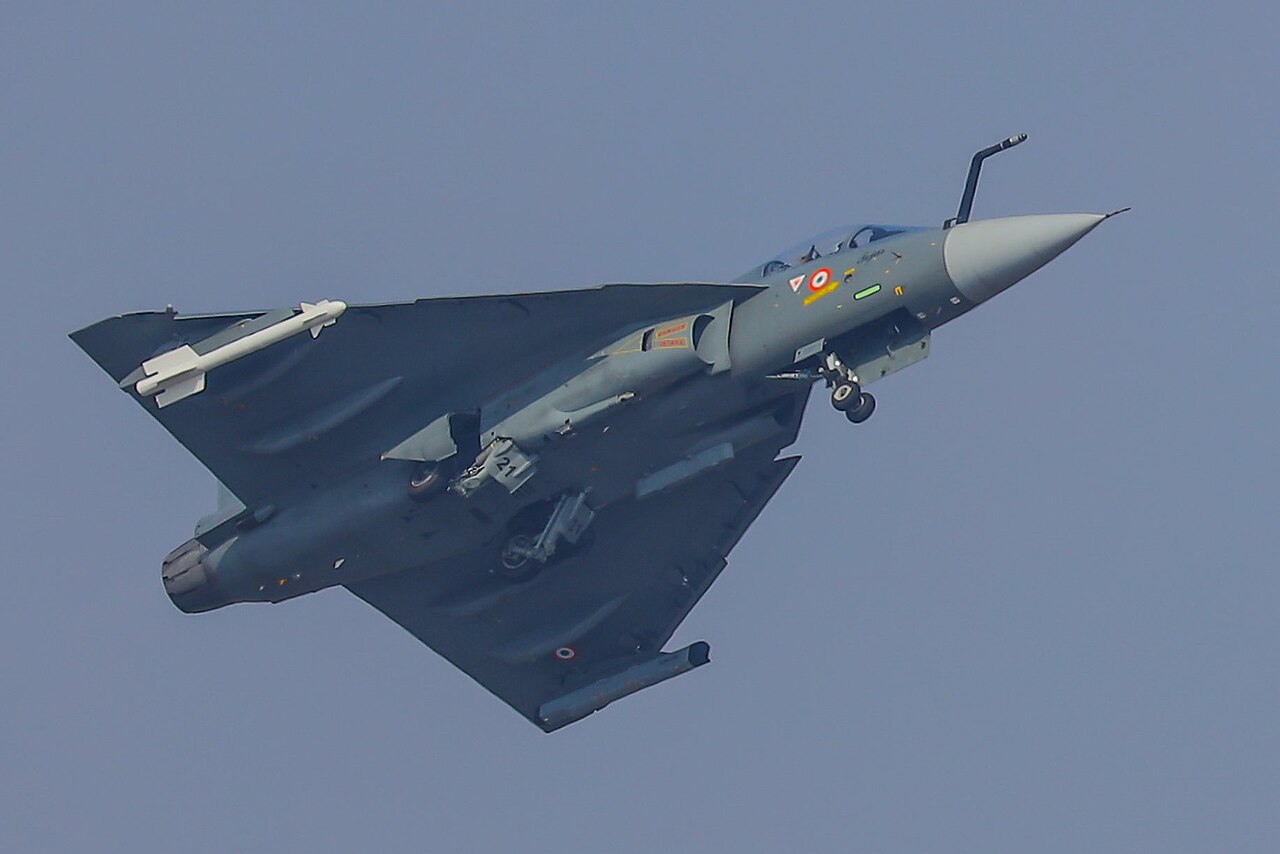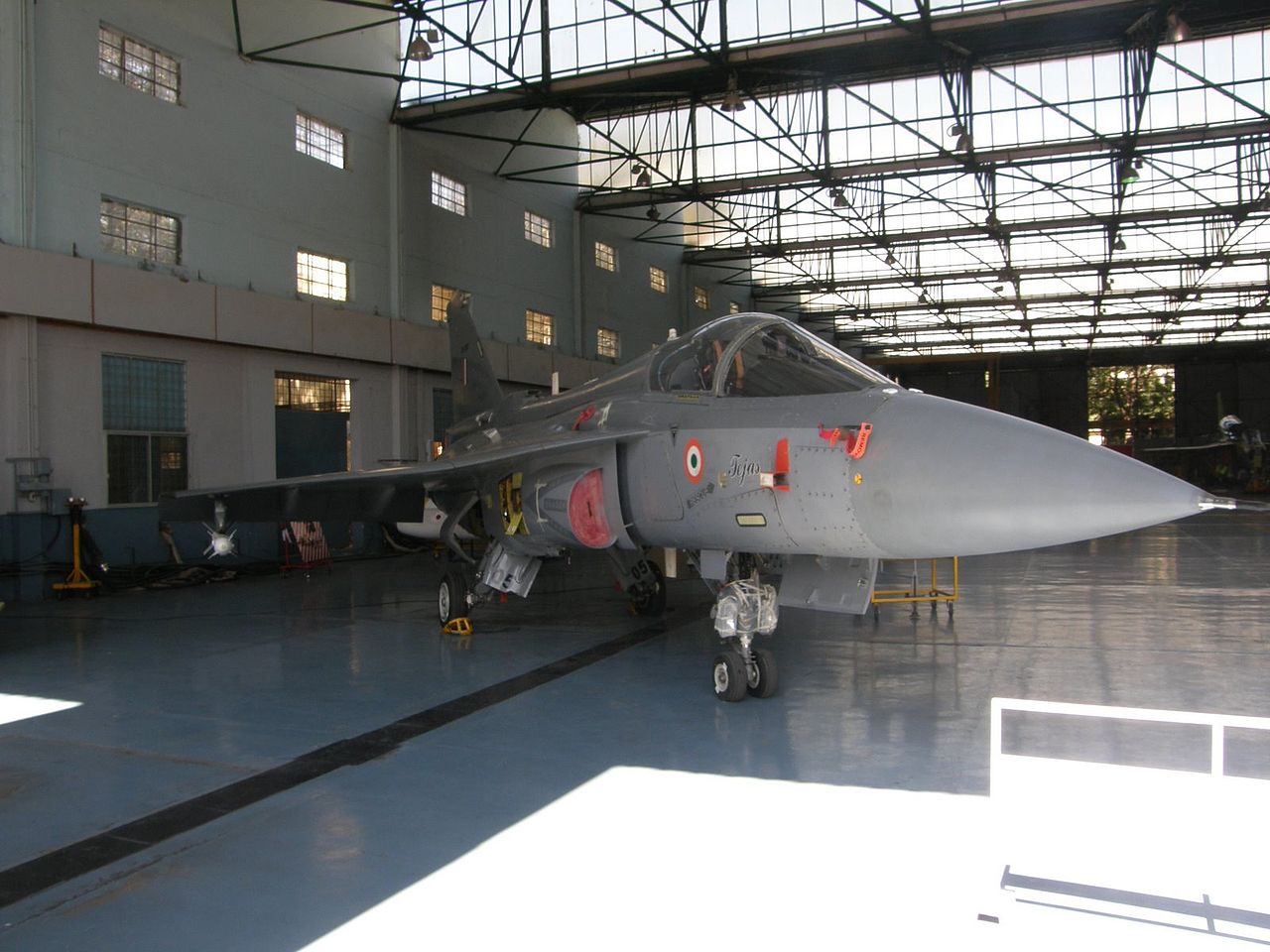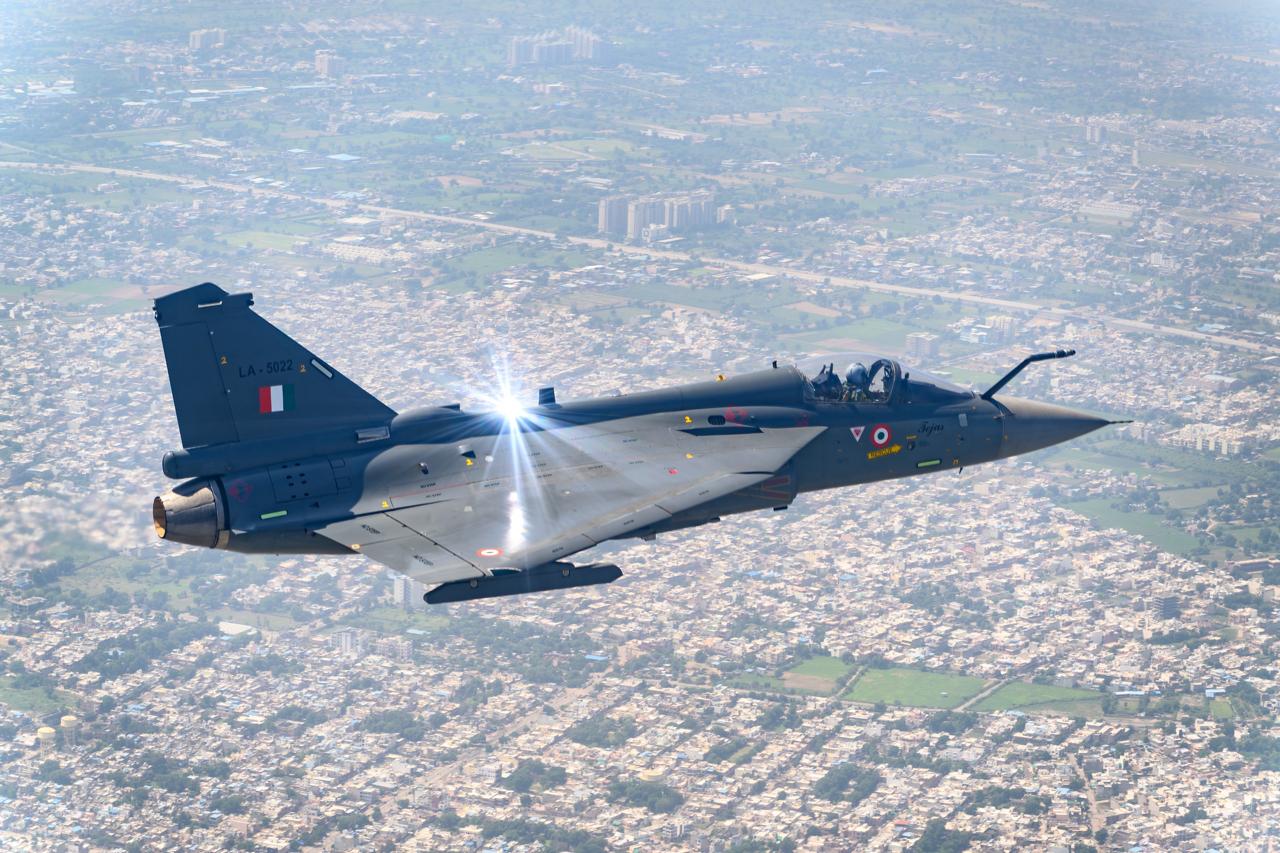
India is on the cusp of a major milestone in its indigenous defense capabilities with the near-final clearance of the Uttam Active Electronically Scanned Array (AESA) radar for integration on the Tejas Mk1A fighter aircraft. This advancement, reported by Defence News India, represents a strategic leap forward in augmenting the Indian Air Force’s (IAF) combat effectiveness, reducing dependence on foreign technology, and potentially recalibrating the air combat balance in South Asia.
The Uttam AESA Radar: A Technological Overview
The Uttam AESA radar, developed indigenously by the Defence Research and Development Organisation (DRDO), is a state-of-the-art sensor suite designed to provide superior situational awareness, target detection, and tracking capabilities. AESA radars are widely regarded as a game-changer in modern aerial warfare due to their ability to simultaneously track multiple targets, enhanced resistance to jamming, and improved reliability compared to traditional mechanically scanned radars.
For the Tejas Mk1A, the integration of the Uttam radar will substantially elevate its operational envelope. The radar’s multi-mode capabilities enable air-to-air, air-to-ground, and electronic warfare functions, making the light combat aircraft more versatile and lethal. This is especially significant given the Mk1A’s role as a frontline fighter tasked with securing India’s airspace and contributing to the country’s strategic deterrence posture.
Enhancing Combat Effectiveness and Autonomy
The Tejas Mk1A equipped with Uttam AESA radar will see a marked improvement in detection ranges and tracking accuracy, thereby increasing its survivability and lethality in contested environments. This upgrade enables the aircraft to engage multiple adversaries with precision-guided munitions, conduct electronic countermeasures, and operate effectively in network-centric warfare scenarios.
From a strategic perspective, the indigenous development of such a critical sensor platform underscores India’s drive towards defense self-reliance, a key component of the government’s “Atmanirbhar Bharat” vision. Historically, India’s dependence on foreign suppliers for critical avionics and sensors has posed challenges in terms of supply chain security, technology transfer restrictions, and operational sovereignty. The Uttam AESA radar’s clearance signals a decisive shift towards mitigating these vulnerabilities.
Geopolitical and Regional Implications
South Asia’s air combat dynamics have long been influenced by the capabilities of regional actors’ air forces, particularly those of China and Pakistan. Both adversaries have invested heavily in modern fighter programs and advanced sensors, including AESA radars on platforms like the JF-17 Block III and China’s J-20 stealth fighter. India’s upgrade of the Tejas Mk1A fleet with an indigenous AESA radar thus serves as a strategic equalizer.
The enhanced sensor capability will enable the IAF to maintain air superiority along critical border sectors, including the contentious Line of Actual Control (LAC) with China and the Line of Control (LoC) with Pakistan. Improved situational awareness and engagement ranges reduce the risk of surprise attacks and contribute to deterrence stability. Additionally, indigenous radar technology allows India to tailor upgrades and countermeasures rapidly in response to evolving threats without external dependencies.
Integration Challenges and Future Pathways
While the Uttam AESA radar’s final clearance is a significant achievement, integration on the Tejas Mk1A fleet is not without challenges. Ensuring seamless compatibility with the aircraft’s mission systems, electronic warfare suites, and weapons platforms requires meticulous testing and validation. The Indian Air Force and DRDO will need to collaborate closely during the induction phase to optimize operational readiness.
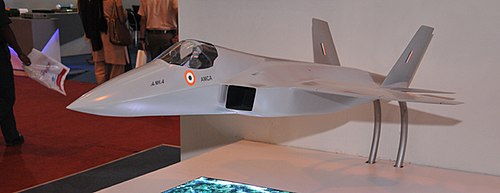
Looking ahead, the Uttam AESA radar’s modular design allows for future enhancements, including software-driven upgrades, increased transmitter modules for greater power output, and integration with artificial intelligence-based targeting algorithms. Such scalability ensures that the Tejas Mk1A remains relevant against emerging aerial threats and complements ongoing modernization efforts like the development of the more advanced Tejas Mk2 and the AMCA stealth fighter program.
Broader Defense Industry Impact
The success of the Uttam AESA radar also reflects the growing maturity of India’s defense industrial base. Industry partners have been increasingly involved in producing critical components, echoing DRDO’s call for greater participation in indigenous innovation (DRDO Official, 2026). This not only strengthens supply chains but also fosters a culture of technological innovation essential for sustaining long-term defense modernization.
Moreover, initiatives like the Kalyani Group’s development of over 50 new indigenous defense products signal a synergistic ecosystem that supports platforms like the Tejas Mk1A. These efforts collectively contribute to a robust domestic defense manufacturing sector capable of meeting the Indian Armed Forces’ evolving requirements.
Conclusion
The near-final clearance of the Uttam AESA radar for the Tejas Mk1A fleet is a landmark achievement for India’s defense sector. It enhances the combat capability of the IAF’s light combat aircraft, reduces reliance on foreign technology, and bolsters India’s strategic autonomy. In a region marked by complex security challenges, this indigenous sensor upgrade will play a crucial role in maintaining air superiority and deterrence.
As India continues to pursue advanced upgrades and next-generation platforms, the lessons learned from the Uttam AESA radar integration will inform future efforts to create a self-reliant and technologically advanced air force poised to meet 21st-century threats.
Key Takeaways
- The Uttam AESA radar significantly boosts the Tejas Mk1A’s multi-role combat effectiveness and survivability.
- Indigenous radar technology reduces India’s dependence on foreign suppliers, enhancing defense autonomy.
- Upgraded sensor capabilities recalibrate regional air superiority dynamics vis-à-vis China and Pakistan.
- Integration challenges remain, but future software and hardware upgrades promise sustained relevance.
- The development reflects broader growth and innovation within India’s defense industrial ecosystem.
Sources
- Defence News India. “India Nears Final Clearance for Uttam AESA Radar on Tejas Mk1A Fleet, Reducing Reliance on Foreign Sensors.” Published 2026-02-16. Link
- DRDO Official. Industry Partner Registration (Seller/Supplier). Published 2026-02-16. Link
- Defence News India. “Kalyani Group Spearheads Indigenous Innovation with 50 New Defence Products for Indian Armed Forces’ Modernisation.” Published 2026-02-16. Link