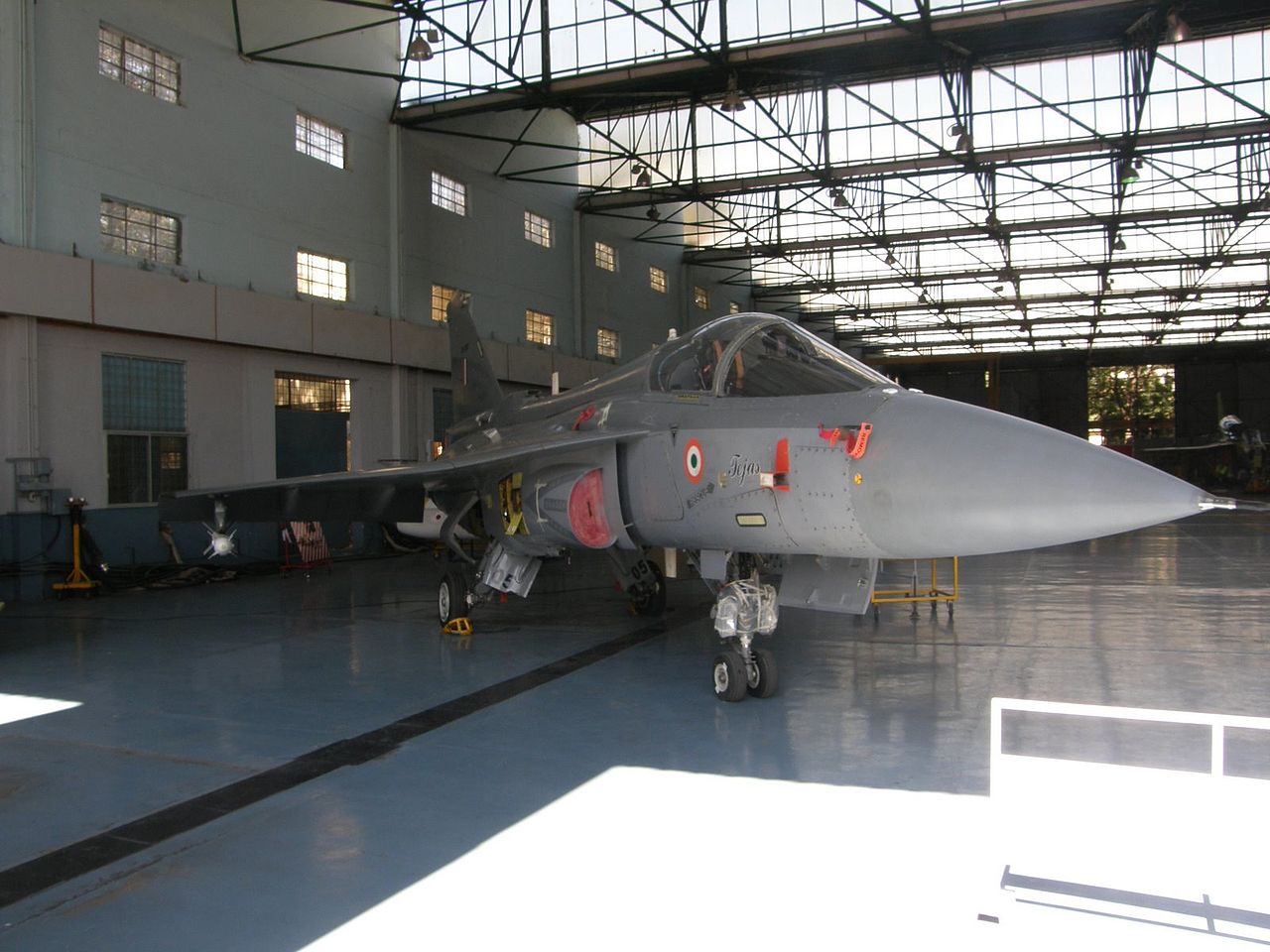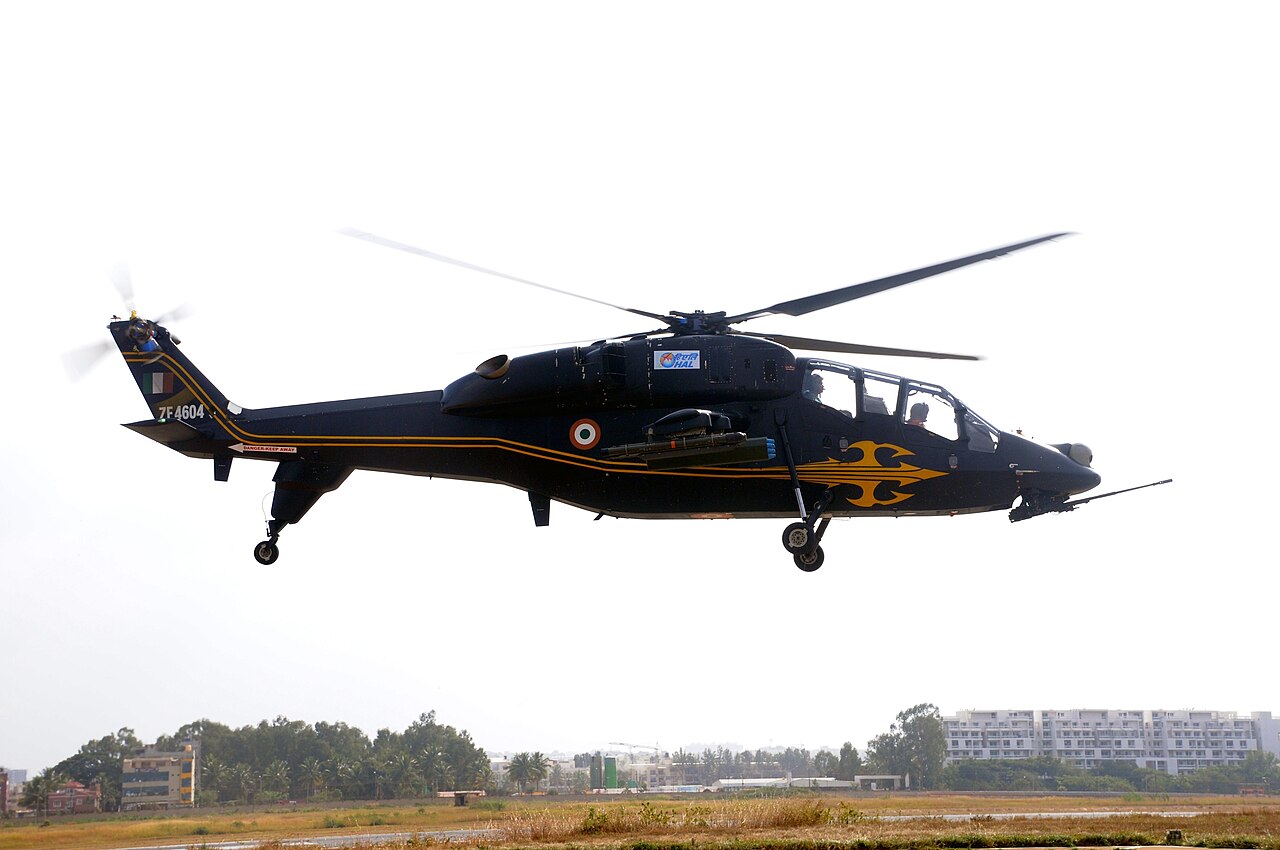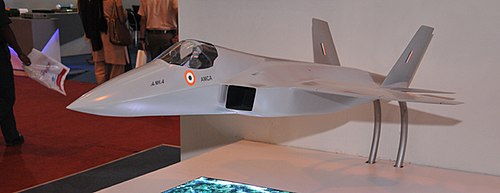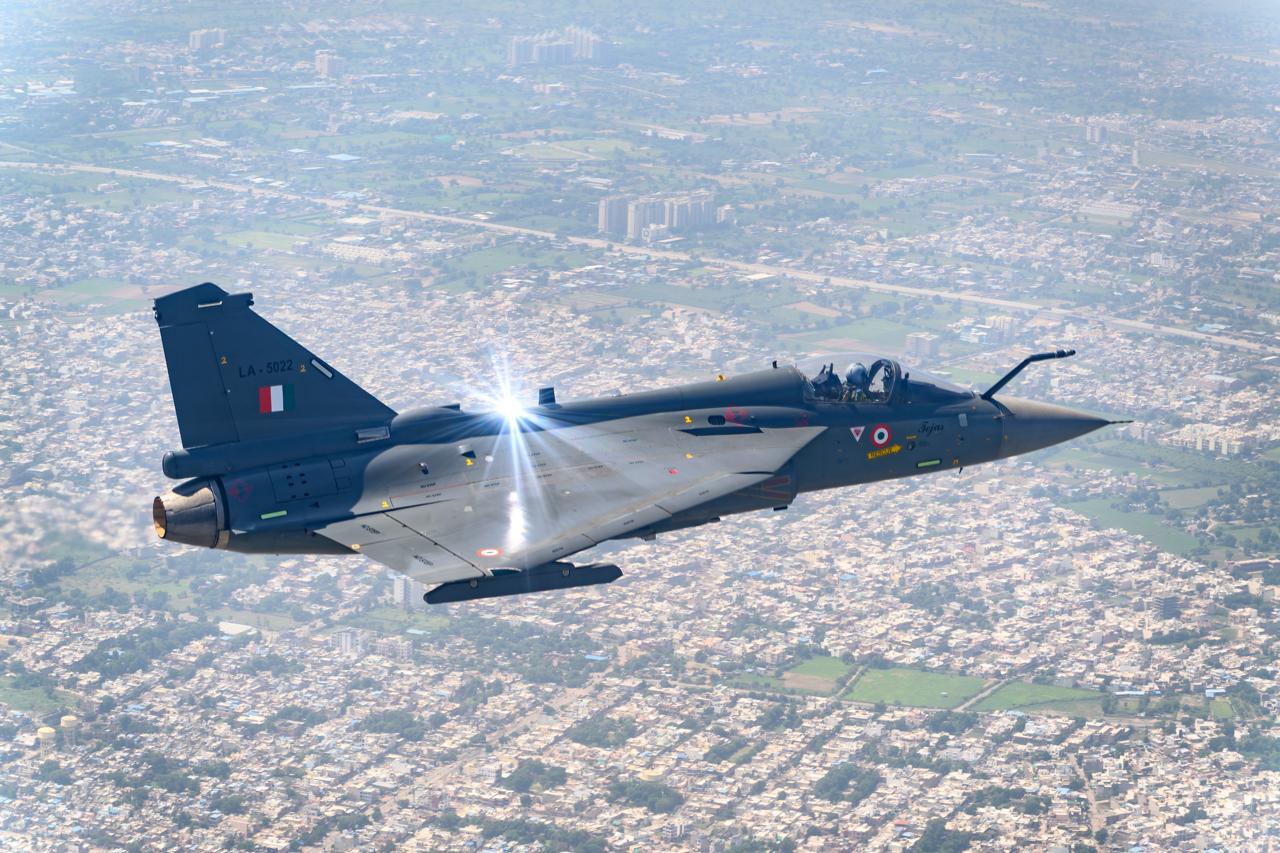
The Indian Air Force (IAF) has recently accorded contractual flexibility to Hindustan Aeronautics Limited (HAL) to fast-track the production and deployment of the Tejas Mk1A fighter aircraft, a key indigenous platform in India’s quest for air power modernization. This strategic move underlines the government and military’s commitment to enhancing operational readiness while bolstering the domestic aerospace and defense manufacturing ecosystem.
This article delves into the significance of the IAF’s decision, the current status of the Tejas Mk1A program, technological advancements embedded in the platform, production challenges, and the broader implications for India’s frontline combat fleet and domestic defense industry.
IAF’s Contractual Flexibility: Significance and Strategic Context
The contractual flexibility granted to HAL by the IAF primarily allows for streamlined procurement processes, enabling HAL to accelerate manufacturing schedules, optimize resource allocation, and respond swiftly to evolving operational requirements. Traditionally, defense contracts in India have been characterized by rigid procedural frameworks that can slow down delivery timelines. By relaxing certain contractual stipulations, the IAF aims to reduce bureaucratic hurdles and empower HAL to prioritize rapid induction of the Tejas Mk1A into service.
This decision comes against the backdrop of India’s evolving security environment marked by persistent challenges along its northern and western borders, necessitating swift modernization of air combat capabilities. The Tejas Mk1A, being a lightweight multirole fighter developed indigenously, is expected to fill critical gaps in the IAF’s tactical fighter inventory, complementing more advanced platforms like the Su-30MKI and Rafale.
Tejas Mk1A: Technological Enhancements and Production Status
The Tejas Mk1A represents a significant upgrade over the earlier Mk1 variant, incorporating a suite of advanced avionics, sensor packages, and weapons integration capabilities. Key enhancements include:
- Active Electronically Scanned Array (AESA) Radar: The Mk1A is equipped with the latest AESA radar, offering superior target detection, tracking, and engagement capabilities in complex threat environments.
- Electronic Warfare Suite: An advanced EW suite enhances survivability by providing threat warning, jamming, and self-protection mechanisms.
- Improved Cockpit and Mission Systems: Upgraded displays, helmet-mounted sights, and data link capabilities improve pilot situational awareness and combat effectiveness.
- Enhanced Weapons Integration: Capability to deploy a wider range of air-to-air and air-to-ground munitions, including precision-guided weapons and beyond-visual-range missiles.
Production-wise, HAL has been steadily ramping up manufacturing capacity at its Bengaluru facility, incorporating modern assembly lines and quality assurance protocols to meet IAF’s accelerated induction targets. As per recent reports, HAL is targeting the delivery of initial Mk1A aircraft within the next 18-24 months, with plans to scale up production to meet operational squadron requirements over the coming years.
Impact on IAF’s Frontline Combat Fleet Modernization
The induction of the Tejas Mk1A is poised to significantly enhance the IAF’s combat readiness and flexibility. The IAF currently operates a mix of aging MiG-21 and MiG-27 aircraft alongside modern fighters; the Mk1A’s deployment will allow phased retirement of legacy platforms, reducing maintenance overheads and improving fleet reliability.
Moreover, the indigenous nature of the Tejas program enhances strategic autonomy by reducing dependence on foreign suppliers and mitigating supply chain vulnerabilities—critical factors given India’s complex geopolitical environment. The Mk1A’s multirole capability also provides the IAF with a versatile platform capable of performing air superiority, ground attack, and reconnaissance missions effectively.
From a strategic standpoint, accelerated induction supports India’s broader defense modernization efforts aimed at countering regional threats, particularly along the Line of Actual Control (LAC) with China and the western front with Pakistan. Enhanced ISR (Intelligence, Surveillance, Reconnaissance) and precision strike capabilities embedded in the Mk1A improve deterrence and rapid response potential.
Role of HAL and Private Sector in Indigenous Manufacturing Scale-Up
HAL remains the cornerstone of India’s aerospace manufacturing, with decades of experience in designing, developing, and producing combat aircraft. The IAF’s recent contractual flexibility decision empowers HAL to innovate in production methodologies, adopt agile project management, and leverage supply chain efficiencies.
Importantly, the government’s push for indigenization under the Make in India and Atmanirbhar Bharat initiatives has opened avenues for greater participation of private sector firms in the Tejas program supply chain. Private aerospace companies are increasingly contributing to component manufacturing, avionics integration, and sub-assemblies, which helps distribute workload and improve overall production timelines.
The synergy between HAL and private industry is vital to meeting the ambitious production targets for the Mk1A and future Tejas variants, including the Tejas Mk2 medium-weight fighter. This collaborative industrial base also serves as a foundation for India’s long-term aerospace innovation and export potential.
Geopolitical and Strategic Implications
The accelerated induction of the Tejas Mk1A comes at a crucial juncture in South Asia’s security landscape. India faces multifaceted challenges from a resurgent China with expanding air and missile capabilities and persistent tensions with Pakistan. Enhancing indigenous fighter capabilities strengthens India’s ability to maintain air superiority and conduct precision strikes in contested environments.
Furthermore, the Tejas Mk1A’s modern avionics and weapons systems improve interoperability with other platforms and allied forces, enhancing joint operations in coalition contexts. The program also signals India’s maturing defense industrial base, which has strategic implications for regional power projection and defense diplomacy.
While India continues to explore advanced missile technologies and deep-strike capabilities—exemplified by interest in systems like Israel’s Golden Horizon ballistic missile—the Tejas Mk1A remains a critical pillar of air defense and tactical flexibility.
Conclusion
The IAF’s grant of contractual flexibility to HAL for the accelerated induction of the Tejas Mk1A fighter aircraft represents a pragmatic and strategic step in India’s pursuit of a capable, modern, and self-reliant air combat force. This move addresses production bottlenecks, leverages indigenous technological advancements, and aligns with the national imperative of defense modernization.
As HAL and the private sector scale up manufacturing and technological innovation, the Tejas Mk1A will play an increasingly central role in safeguarding India’s airspace and projecting credible deterrence in a complex regional security environment.
Key Takeaways
- The IAF’s contractual flexibility to HAL is a game-changer, enabling faster production and deployment of the Tejas Mk1A.
- The Mk1A incorporates advanced avionics, AESA radar, and enhanced weapons systems, significantly boosting IAF’s tactical capabilities.
- Accelerated induction supports phased retirement of legacy aircraft and strengthens India’s indigenous defense manufacturing ecosystem.
- Collaboration between HAL and private industry is vital for meeting production targets and fostering aerospace innovation.
- The Tejas Mk1A enhances India’s strategic autonomy and operational readiness amid evolving regional security challenges.
Sources
- Defence News India, “IAF Grants Some Contractual Flexibility to HAL for Rapid Deployment of Tejas Mk1A Aircraft,” 2026-02-23. Link
- DRDO Official, Technology Transfer (ToT) schemes, 2026-02-23. Link
- ANI News, “India’s First AI Fest Concludes at Chandigarh University,” 2026-02-23. Link (Context on emerging tech in defense sector)