Introduction
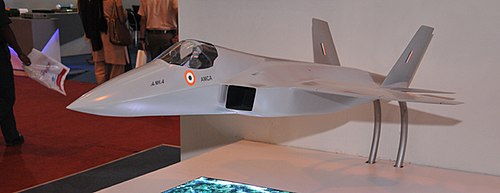
India’s quest for aerospace self-reliance has entered a crucial juncture with its Advanced Medium Combat Aircraft (AMCA) program. Central to this ambition is the development of an indigenous 120kN thrust class jet engine, designed to power the AMCA Mk2 variant and future Indian Air Force (IAF) combat fleets. However, the maturity timeline for this advanced engine remains challenging, prompting the government and defense industry to expand AMCA Mk1 orders as an interim measure. This strategy is not only a tactical move to sustain industrial momentum but also a marker of India’s evolving defense technology landscape amid a complex geopolitical environment.
This analysis examines the current status and technological hurdles of the indigenous 120kN engine, the rationale behind the Mk1 production expansion, its impact on the IAF’s modernization roadmap, and the broader role of the Make in India initiative in shaping the nation’s aerospace and defense sectors.
Indigenous 120kN Engine Development: Current Status and Challenges
Developing a high-performance jet engine capable of delivering 120kN thrust involves overcoming significant technical complexities. The indigenous AMCA engine program, led by the Gas Turbine Research Establishment (GTRE) under DRDO, aims to produce an engine that matches or exceeds the capabilities of contemporary foreign powerplants used in stealth and multirole fighters.
Key technical challenges include:
Materials Technology: The engine demands advanced high-temperature alloys and single-crystal turbine blades to withstand extreme thermal and mechanical stresses. India’s metallurgy and materials science sectors are progressing but still face gaps relative to global leaders.
Precision Manufacturing: Achieving the tolerances required for turbine components, compressors, and afterburners necessitates state-of-the-art manufacturing infrastructure and quality control, areas where incremental upgrades are ongoing.
Thermal Management and Efficiency: Efficient cooling techniques and aerodynamic design innovations are critical for engine lifespan and performance, requiring extensive R&D and testing cycles.
Integration with Stealth and Avionics Systems: The engine must integrate seamlessly with the AMCA’s stealth features and advanced avionics suite, complicating design and testing phases.
While prototype engines have reportedly demonstrated promising performance in test beds, full maturity and operational readiness are projected to take several more years. This timeline aligns with global patterns for cutting-edge fighter engine development, which typically span over a decade from concept to deployment.
Strategic Rationale for Expanding AMCA Mk1 Orders
Given the developmental timeline of the indigenous 120kN engine, India’s defense planners have opted to increase orders of the AMCA Mk1 variant powered by existing foreign or license-produced engines (such as the GE F414 or Kaveri derivatives). This decision serves multiple strategic purposes:
Maintaining Industrial Momentum: Continuous production sustains the aerospace ecosystem, preserving skills, supply chains, and vendor capabilities that could otherwise face erosion during long development gaps.
Operational Readiness: Deploying AMCA Mk1 aircraft equips the IAF with advanced multirole fighters sooner, modernizing its fleet while indigenous engine development continues.
Technology Absorption and Feedback: Fielding the Mk1 allows iterative improvements based on operational data, facilitating smoother integration when the indigenous engine is ready.
Economic and Employment Benefits: Expanding production under the Make in India banner supports job creation, technology transfers, and indigenous supplier base growth, reinforcing national strategic autonomy.
This phased approach reflects a pragmatic balancing of ambition and operational necessity, ensuring India does not fall behind in regional air superiority dynamics.
Implications for Indian Air Force Modernization and Regional Security
The AMCA program, particularly with the integration of an indigenous 120kN engine, is central to the IAF’s long-term modernization roadmap. The fighter’s stealth capabilities, sensor fusion, network-centric warfare features, and enhanced survivability position it as a future force multiplier amid evolving threat perceptions.
Key implications include:
Enhancing Deterrence and Air Superiority: The AMCA, once fully operational, will augment the IAF’s ability to counter peer competitors in the Indo-Pacific region, including China and Pakistan, which are also advancing fifth-generation platforms.
Border Security Dynamics: Given ongoing tensions along India’s northern borders and Pakistan-Afghanistan conflict spillovers (as highlighted by recent escalations along the Durand Line), advanced indigenous fighter capabilities contribute to credible air defense and rapid response.
Strategic Autonomy: Reliance on indigenous technology reduces vulnerability to foreign supply disruptions and geopolitical pressures, bolstering India’s operational freedom.
Technology Spillovers: Advances in jet engine and aerospace manufacturing have dual-use potential, benefiting civilian aviation and related high-tech industries.
The Broader Make in India Influence on Aerospace and Defense
The AMCA engine development and Mk1 expansion are emblematic of the Make in India initiative’s transformative impact on the defense sector. This national policy emphasizes:
Indigenization: Prioritizing local R&D, manufacturing, and supply chains to reduce import dependence.
Skill Development: Creating highly skilled engineering and technical workforces capable of sustaining complex aerospace projects.
Global Competitiveness: Positioning India as a potential exporter of advanced defense platforms and components.
Collaboration: Encouraging public-private partnerships and international cooperation under controlled technology transfer frameworks.
Challenges remain, including scaling innovation from prototypes to mass production, ensuring quality standards, and fostering sustained investment. However, the AMCA program represents a concrete step forward, reflecting growing maturity in India’s defense industrial base.
Geopolitical Context: Strategic Necessity Amid Regional Tensions
India’s aerospace ambitions unfold against a backdrop of heightened regional tensions and strategic rivalry. Recent reports of escalated Pakistan-Afghanistan conflicts, including Pakistani casualties from Afghan operations along the Durand Line (ANI News, 2026), underscore the volatile security environment. Simultaneously, China’s expanding military capabilities compel India to accelerate modernization.
In this context, the AMCA program’s success is not merely a technological milestone but a strategic imperative to maintain credible deterrence, safeguard borders, and project power in the Indo-Pacific.
Conclusion
India’s decision to expand AMCA Mk1 orders while the indigenous 120kN engine reaches maturity encapsulates a nuanced approach to defense modernization and industrial self-reliance. Navigating complex technological challenges, sustaining industrial capabilities, and aligning with broader Make in India goals, this pathway aims to deliver a next-generation fighter fleet tailored to India’s unique strategic needs.
As development progresses, close attention to program management, quality assurance, and integration with the IAF’s evolving doctrines will be essential. Ultimately, the AMCA program’s trajectory will significantly influence India’s defense posture and aerospace industry competitiveness for decades to come.
Key Takeaways
The indigenous 120kN AMCA engine program faces significant technical challenges, including advanced materials, precision manufacturing, and integration complexities, with maturity expected over several years.
Expanding AMCA Mk1 orders serves as a strategic bridge to maintain industrial momentum, operational readiness, and technological feedback loops while awaiting the indigenous engine.
The AMCA program is critical to the Indian Air Force’s modernization, enhancing deterrence, air superiority, and strategic autonomy amid regional tensions and evolving security threats.
The Make in India initiative underpins the aerospace and defense sectors’ growth, fostering indigenization, skill development, and global competitiveness aligned with national security imperatives.
Sources
Defence News India. “India Plans Expanded AMCA Mk1 Orders to Maintain Industrial Momentum While Awaiting Indigenous 120kN Engine to Mature.” Published 2026-02-27. https://www.defencenews.in/threads/india-plans-expanded-amca-mk1-orders-to-maintain-industrial-momentum-while-awaiting-indigenous-120kn-engine-to-mature.17004/
ANI News. “Pakistan-Afghanistan tensions escalate: Afghan Forces kill 55 Pakistani soldiers, Pakistan retaliates with Operation ‘Ghazab Lil Haq’.” Published 2026-02-27. https://www.aninews.in/news/world/asia/pakistan-afghanistan-tensions-escalate-afghan-forces-kill-55-pakistani-soldiers-pakistan-retaliates-with-operation-ghazab-lil-haq20260227064105
The Diplomat. “Research and Innovation in India: Between Expansion and Integrity.” Published 2026-02-26. https://thediplomat.com/2026/02/research-and-innovation-in-india-between-expansion-and-integrity/
The Diplomat. “Modi Crosses the Rubicon and Embraces Israel.” Published 2026-02-26. https://thediplomat.com/2026/02/modi-crosses-the-rubicon-and-embraces-israel/