Introduction
The strategic landscape of West Asia has once again been disrupted, with Iranian media reporting the death of Supreme Leader Ayatollah Ali Khamenei following Israeli-US airstrikes (ANI News, 2026). This development comes amid escalating tensions in the region, including ongoing confrontations and proxy conflicts involving key players such as Israel, the United States, Iran, and Gulf Cooperation Council (GCC) states.
Despite the turmoil, the United Arab Emirates (UAE) has maintained market stability and ensured secure food stockpiles, signaling resilience amid regional instability (ANI News, 2026). For India, a country deeply intertwined with West Asia through energy imports, trade routes, and a significant diaspora population, these developments necessitate a recalibrated defense diplomacy and security posture.
This article explores the implications of the leadership change in Iran on regional security dynamics, India’s strategic interests in West Asia, emerging defense diplomacy opportunities with Gulf countries, and contingency planning by Indian Armed Forces and intelligence agencies.
Implications of Leadership Change in Iran on Regional Security Dynamics
The reported demise of Ayatollah Khamenei marks a critical juncture for Iran, a pivotal actor in West Asia’s complex geopolitics. The Supreme Leader’s influential role in directing Iran’s foreign and defense policies means his absence could precipitate a leadership vacuum or internal power struggles within the Islamic Republic.
Potential Consequences:
Uncertainty and Instability: Transitional periods in Iran’s leadership might embolden hardline factions or accelerate factional rivalries between the Islamic Revolutionary Guard Corps (IRGC) and political elites, potentially increasing the unpredictability of Iran’s regional behavior.
Proxy Escalations: Iran’s network of proxies across Iraq, Syria, Lebanon (Hezbollah), and Yemen (Houthis) may become more aggressive or fractured, impacting the security environment in West Asia and complicating counterterrorism efforts.
Nuclear and Missile Programs: The continuity or redirection of Iran’s nuclear ambitions and missile development programs will be under scrutiny, influencing regional arms dynamics and India’s strategic calculations.
For India, these developments underscore the need for vigilant intelligence gathering and diplomatic engagements to anticipate shifts in Iran’s foreign policy and militant proxy activities.
India’s Strategic Interests in West Asia: Energy and Trade Routes
India’s energy security is inextricably linked to West Asia, with approximately 70% of its crude oil imports sourced from the Gulf and Iran. The Strait of Hormuz, a critical chokepoint, remains vulnerable to conflict spillovers.
Key considerations:
Diversification of Energy Sources: India must accelerate diversification strategies, including alternative suppliers and investments in renewable energy, to mitigate supply disruptions stemming from conflict-induced blockades or sanctions.
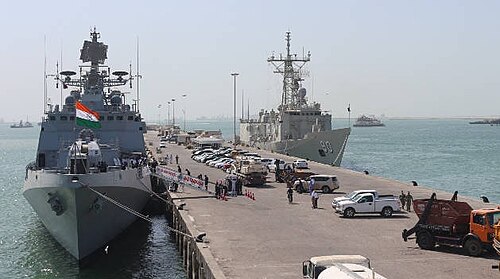
Trade and Maritime Security: The Arabian Sea and Gulf of Aden are vital transit routes for Indian commerce. Increased naval deployments and cooperation with regional navies will be essential to safeguard sea lines of communication (SLOCs) from piracy and asymmetric threats.
Diaspora Safety: With over 8 million Indians residing in GCC countries, particularly the UAE, Oman, and Saudi Arabia, ensuring their safety amid potential unrest remains a priority.
India’s Ministry of External Affairs and Ministry of Defence will need to coordinate closely to protect these strategic interests, including through enhanced situational awareness and contingency evacuation plans.
Defense Diplomacy Opportunities with Gulf Countries Amid Tensions
The UAE’s ability to maintain stable markets and stockpiles amid regional tension reflects its growing stature as a reliable and pragmatic partner. India’s defense diplomacy with GCC countries is poised for expansion, with multiple avenues for collaboration.
Areas of Cooperation:
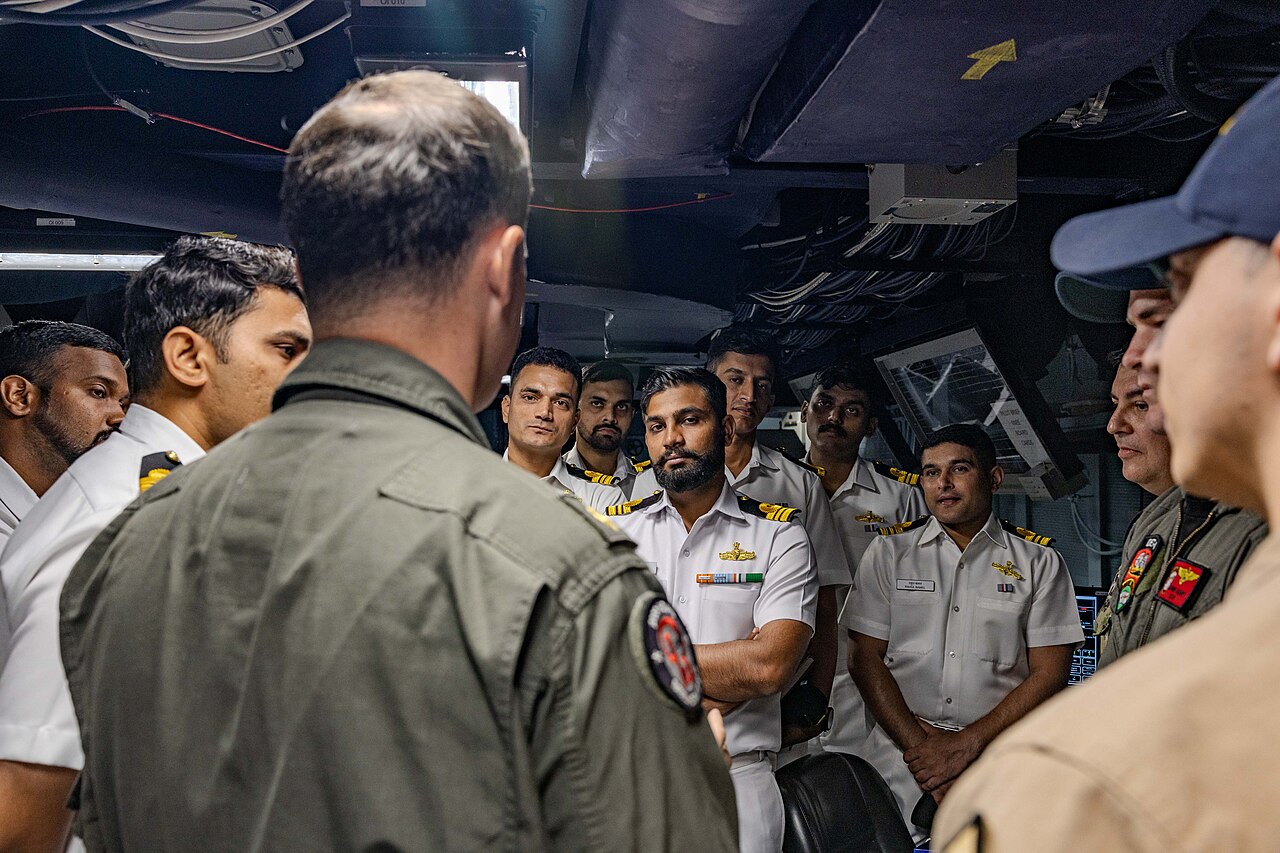
Joint Exercises and Training: Increasing frequency of bilateral and multilateral exercises to enhance interoperability, especially in counterterrorism and maritime security operations.
Technology Transfer and Indigenous Capabilities: Initiatives like the Technology Transfer (ToT) schemes by DRDO (DRDO Official, 2026) provide platforms for collaboration in defense manufacturing, which can be extended to Gulf partners seeking to develop indigenous defense capabilities.
Arms Procurement and Security Partnerships: India’s recent follow-on orders for Polish loitering munitions and drones post-Operation Sindoor (Defence News India, 2026) highlight modernization efforts that could be complemented by joint R&D with Gulf states.
Counterbalance to Regional Threats: Strengthening defense ties with UAE, Saudi Arabia, and others could serve as a strategic counterbalance to Iranian influence while fostering stability.
Contingency Planning for Indian Armed Forces and Intelligence Agencies
The volatile environment necessitates enhanced preparedness across India’s defense and intelligence apparatus.
Military Posture and Readiness:
Force Deployment: The Indian Navy may need to increase patrols in the Arabian Sea and Gulf of Aden to secure maritime routes and respond swiftly to emergencies.
Air Force Capabilities: Platforms such as the indigenous Tejas Mk2 fighter jet, currently nearing rollout with 70% assembly completed (Defence News India, 2026), will enhance India’s rapid response and air defense capabilities.
Intelligence Vigilance: Heightened intelligence gathering on proxy activities, missile movements, and cyber threats originating from West Asia is critical. Integration of drone and loitering munitions technology offers improved surveillance and precision strike options.
Evacuation Operations: Preparedness for non-combatant evacuation operations (NEOs) to secure Indian nationals in conflict zones must be regularly updated and exercised.
Conclusion
The reported death of Ayatollah Khamenei amid Israeli-US strikes has amplified the volatility in West Asia, a region central to India’s strategic and economic interests. India’s response must be multifaceted, blending robust defense diplomacy, enhanced military readiness, and proactive intelligence efforts.
By deepening partnerships with Gulf countries, safeguarding energy corridors, and preparing for contingencies, India can navigate the turbulent West Asian landscape to protect its national security and sustain its geopolitical influence.
Key Takeaways
The leadership change in Iran introduces uncertainty with potential escalations in proxy conflicts and regional instability affecting India’s security environment.
India’s vital interests in West Asia—energy security, trade routes, and diaspora safety—require diversified strategies and enhanced maritime and air defense capabilities.
Strengthening defense diplomacy with Gulf countries opens avenues for joint exercises, technology transfer, and strategic partnerships to counterbalance regional threats.
Indian Armed Forces and intelligence agencies must prioritize contingency planning, including force deployment, surveillance modernization, and evacuation readiness.
Sources
ANI News - Defence. (2026, March 1). Ayatollah Ali Khamenei killed in Israeli-US strikes, reports Iranian media. https://www.aninews.in/news/world/middle-east/ayatollah-ali-khamenei-killed-in-israeli-us-strikes-reports-iranian-media20260301073514
ANI News - Defence. (2026, February 28). UAE markets stable, food stockpile secure amid escalating West Asia tensions. https://www.aninews.in/news/world/middle-east/uae-markets-stable-food-stockpile-secure-amid-escalating-west-asia-tensions20260228210404
Defence News India. (2026, March 1). Tejas Mk2 Prototype Reaches 70% Assembly as Pre-Flight Calibration Begins. https://www.defencenews.in/threads/tejas-mk2-prototype-reaches-70-assembly-as-pre-flight-calibration-begins-rollout-targeted-for-late-march-or-april.17023/
Defence News India. (2026, March 1). India Places Follow-on Orders for Polish Loitering Munitions and Drones After Proven Combat Performance in Op Sindoor. https://www.defencenews.in/threads/india-places-follow-on-orders-for-polish-loitering-munitions-and-drones-after-proven-combat-performance-in-op-sindoor.17022/
DRDO Official. (2026). Technology Transfer (ToT) Schemes and Services. https://www.drdo.gov.in/drdo/en/offerings/schemes-and-services/tot