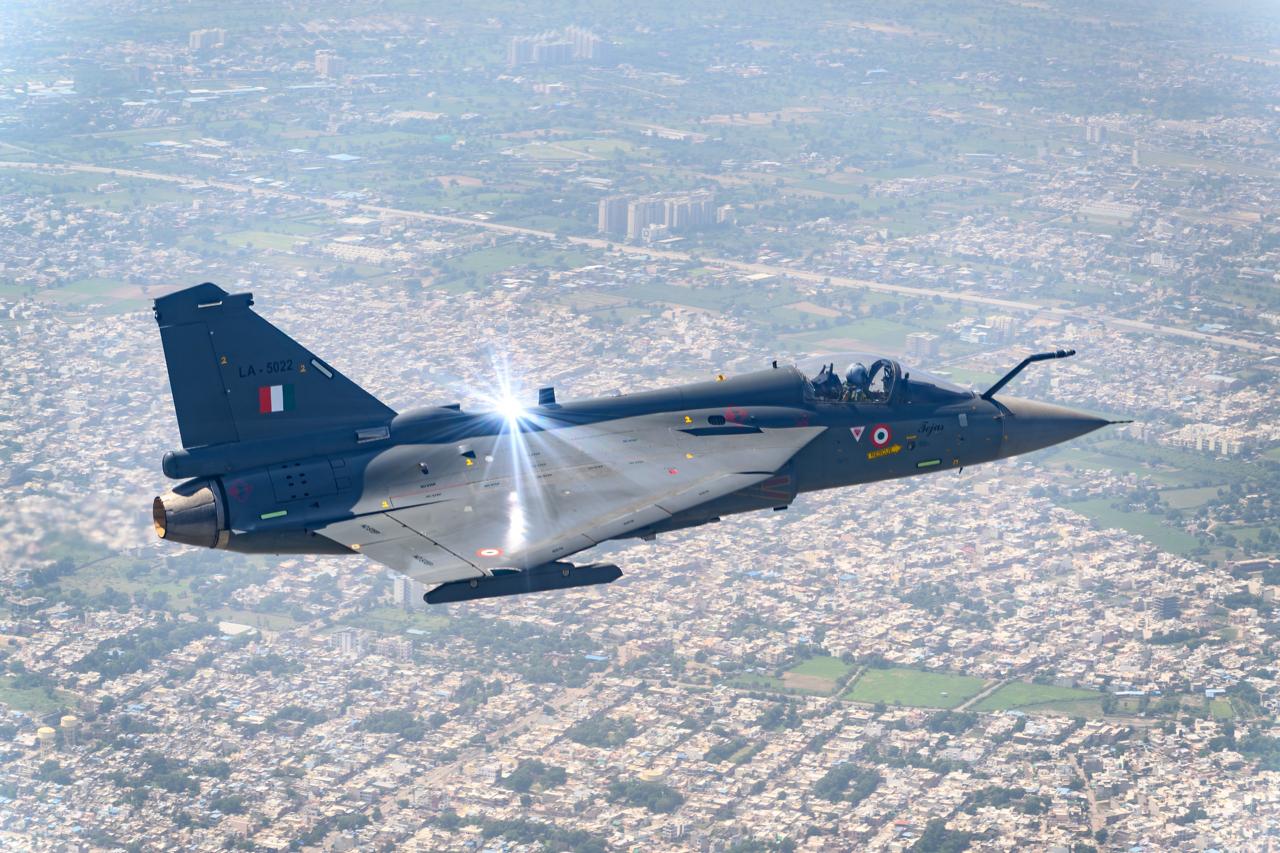
India’s aerospace and defense sector is witnessing a pivotal shift with Hindustan Aeronautics Limited (HAL) seeking a 95-100 kiloNewton (kN) thrust class engine for its upcoming HLFT-42 advanced jet trainer, aligning it closely with the powerplant of the Tejas Mk2 fighter aircraft. This announcement represents a significant strategic recalibration in India’s trainer aircraft development, particularly with the sidelining of the indigenous Kaveri engine from the primary trainer role. This blog post examines the implications of this shift for India’s military aviation self-reliance, the future of trainer aircraft capabilities, and the broader fighter modernization roadmap.
Background: The Kaveri Engine and Indian Trainer Jets
The Kaveri engine program, initiated decades ago by the Defence Research and Development Organisation (DRDO), was envisioned as India’s indigenous high-performance turbofan engine to propel advanced combat aircraft. Despite substantial development efforts, the Kaveri engine has faced technical challenges, including insufficient thrust-to-weight ratio and reliability issues, limiting its operational viability for frontline combat aircraft.
Originally, the HLFT-42 (Hindustan Low-cost Fighter Trainer) was planned to be powered by the Kaveri engine, aiming to achieve a high degree of indigenous content in India’s pilot training ecosystem. The HLFT-42 is designed to bridge the gap between basic trainers and frontline fighters, preparing pilots for 4th and 5th generation combat aircraft.
Reasons Behind Sidelining the Kaveri Engine
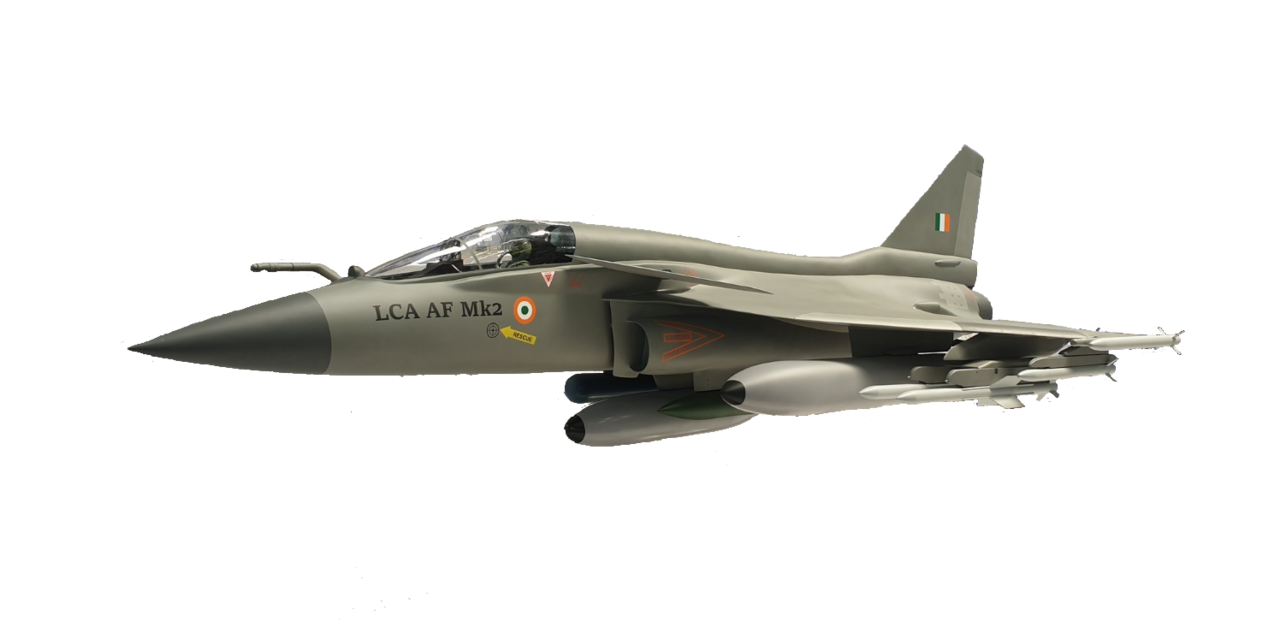
HAL’s recent move to seek an external engine producing between 95 and 100kN thrust for the HLFT-42—comparable to the General Electric F414 variant powering the Tejas Mk2—signals a pragmatic pivot driven by several considerations:
Performance and Reliability: The Kaveri engine, while a landmark indigenous project, has yet to mature to meet the stringent reliability and performance benchmarks required for trainer roles that mimic frontline fighter characteristics. High thrust output and operational reliability are critical, especially for advanced trainers that operate in demanding flight envelopes.
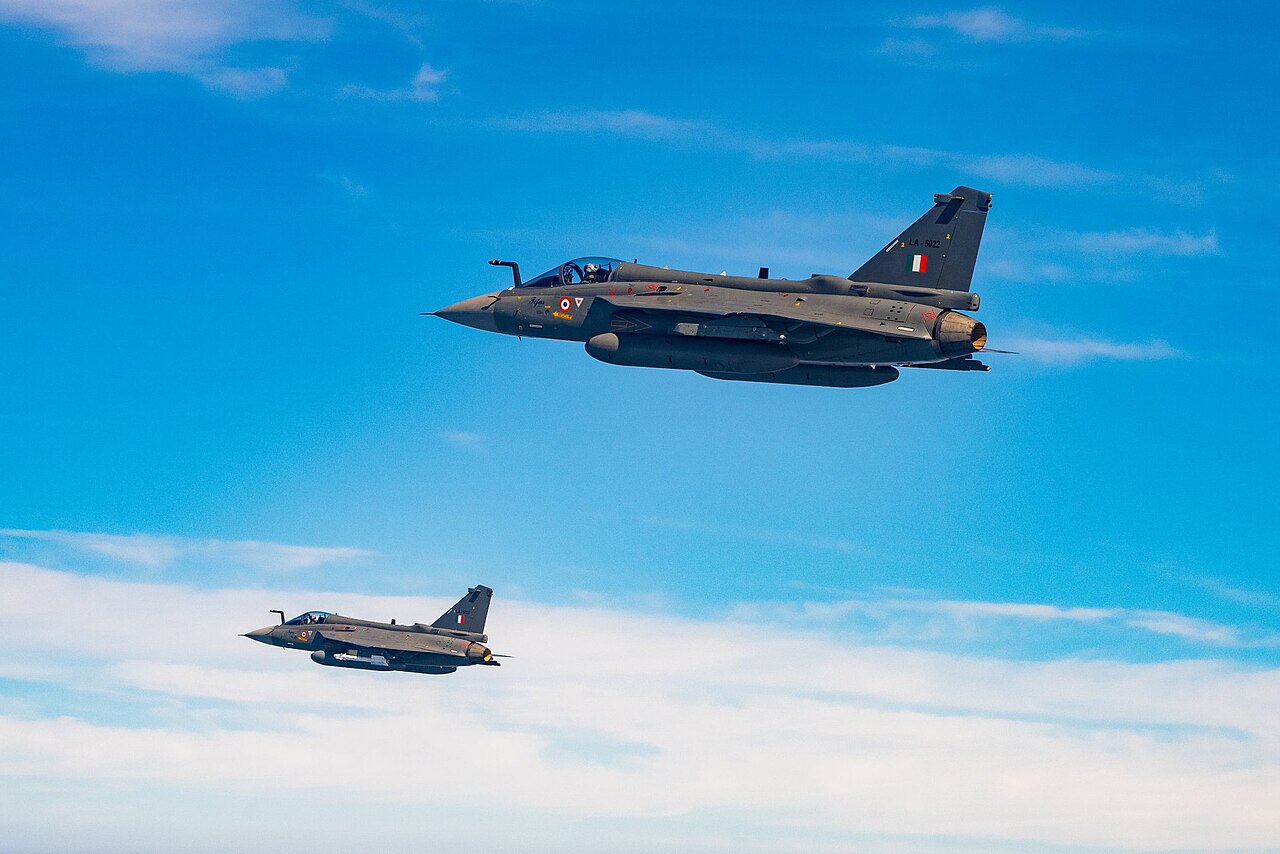
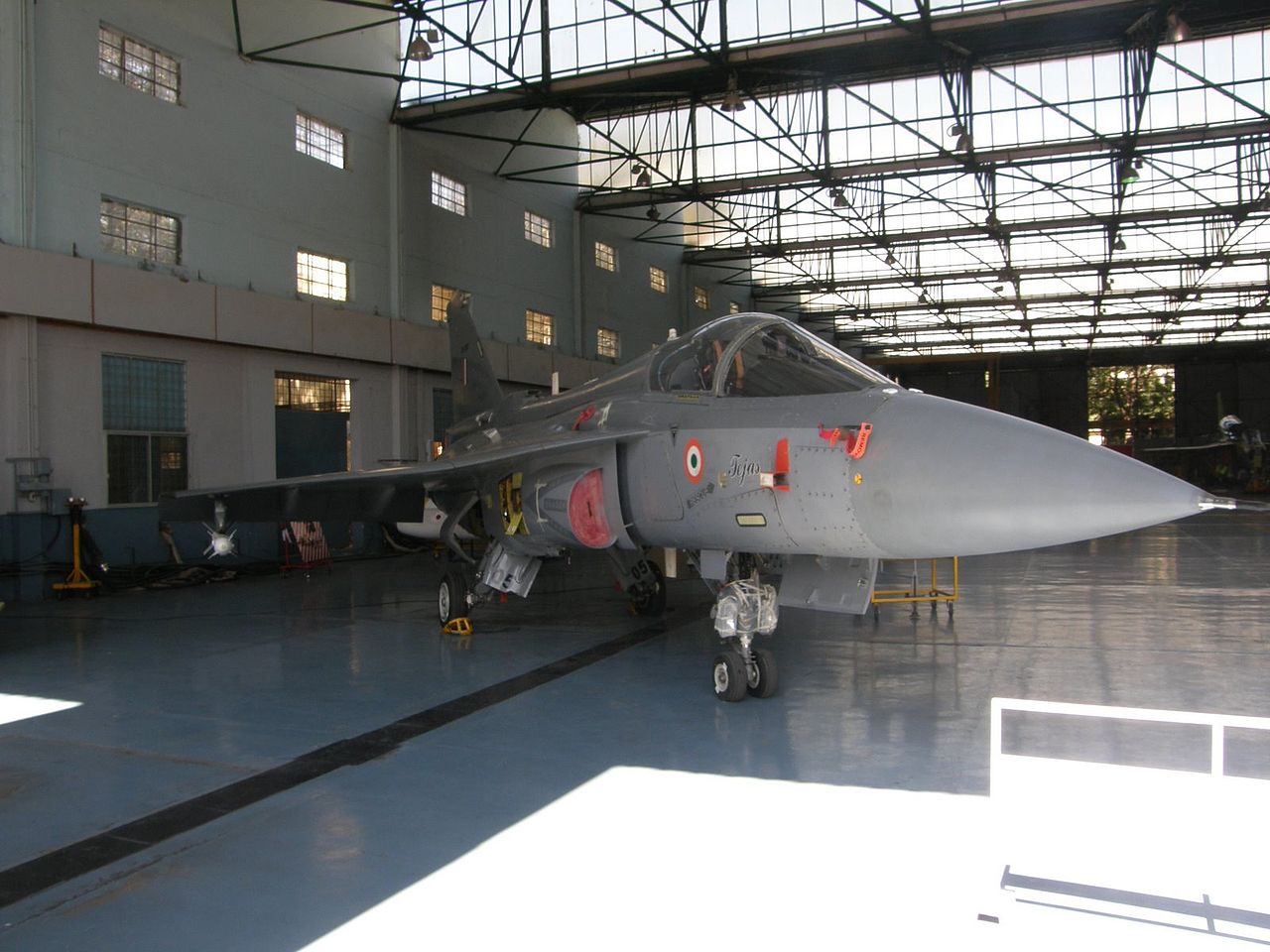
Commonality with Tejas Mk2: Aligning the HLFT-42’s powerplant with the Tejas Mk2 engine offers substantial operational and logistical benefits. It simplifies maintenance, spares management, and pilot transition training between trainer and combat aircraft, enhancing overall fleet readiness.
Time and Cost Efficiency: Developing and certifying an indigenous engine with the required specifications is time-intensive and costly. By opting for a proven engine architecture, HAL expedites the HLFT-42’s induction timeline, addressing urgent training needs of the Indian Air Force (IAF).
Focus on Strategic Priorities: Sidelining Kaveri for the primary trainer role allows DRDO and HAL to concentrate Kaveri development on more suitable platforms or future applications, possibly in higher-performance combat aircraft or UAVs.
Strategic Implications for Tejas Mk2 and Indian Combat Aviation
The HLFT-42 powered by a 95-100kN engine aligned with Tejas Mk2’s powerplant creates a seamless training pipeline that strengthens India’s combat aviation ecosystem:
Enhanced Pilot Training: Pilots transitioning from HLFT-42 to Tejas Mk2 will experience familiar engine performance and handling characteristics, shortening conversion times and improving combat readiness.
Fleet Commonality: A unified engine platform reduces logistical complexity and lowers lifecycle costs through economies of scale in procurement, maintenance, and upgrades.
Accelerated Modernization: The HLFT-42 will supplement existing trainers like the Hawk Mk132 and LCA (Light Combat Aircraft) Mk1, supporting the IAF’s ambition to induct more advanced, indigenous aircraft and phase out aging platforms.
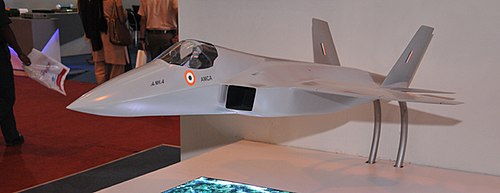
Support for Future Platforms: The experience gained from integrating high-thrust engines in trainers will inform development of future indigenous fighters, including the Advanced Medium Combat Aircraft (AMCA).
Impact on HAL’s Indigenous Engine Development and ‘Make in India’ Goals
While the sidelining of the Kaveri engine for HLFT-42 might appear a setback for indigenous propulsion projects, it reflects a nuanced approach rather than abandonment:
Focused Development: Resources can be reallocated to address core technical challenges in the Kaveri program, potentially targeting niche applications or future fighter engines.
Technology Transfer and Collaboration: HAL’s engagement with foreign engine manufacturers offers opportunities for technology absorption, skill enhancement, and eventual domestic manufacturing or co-development under the ‘Make in India’ initiative.
Industry Ecosystem Strengthening: The Indian aerospace industry, including DRDO’s propulsion laboratories and HAL’s engine divisions, continues to mature through such collaborations and integration projects, building a foundation for future self-reliance.
Integration Challenges and Potential Timelines
Integrating a new 95-100kN engine into the HLFT-42 trainer entails complex engineering and certification challenges:
Airframe-Engine Compatibility: Modifications to airframe structures, intake designs, fuel systems, and avionics may be necessary to accommodate the new engine’s parameters.
Certification and Testing: Rigorous ground and flight testing regimes will be required to validate performance, safety, and reliability, potentially extending timelines.
Supply Chain and Maintenance Infrastructure: Establishing indigenous maintenance, repair, and overhaul (MRO) capabilities for the new engine type is critical for operational sustainability.
Despite these challenges, HAL’s decision is likely to accelerate HLFT-42’s development relative to previous timelines dependent on Kaveri maturation. Industry insiders project initial prototype flights within the next 3-4 years, with induction into the IAF by the early 2030s.
Geopolitical and Defense Context
India’s evolving security environment, characterized by complex border dynamics with China and Pakistan, demands rapid modernization of air combat capabilities. The Indian Air Force’s pilot training infrastructure must keep pace with the induction of Tejas Mk2 and other advanced platforms.
Furthermore, India’s commitment to reducing dependence on foreign defense imports aligns with the ‘Make in India’ campaign but is balanced against operational imperatives that prioritize capability and readiness. HAL’s strategic decision reflects this balanced approach, where indigenous development is pursued alongside pragmatic acquisition and collaboration.
Conclusion
HAL’s shift to adopt a 95-100kN engine for the HLFT-42 trainer, moving away from the indigenous Kaveri engine for the primary trainer role, marks a watershed moment in India’s military aviation trajectory. This decision pragmatically addresses immediate performance and operational needs, aligns the trainer closely with the Tejas Mk2 fighter program, and lays the groundwork for a more integrated, efficient, and modern combat aviation training ecosystem.
While it poses challenges for indigenous engine development, it also opens avenues for focused technological advancement and strategic collaboration that can ultimately enhance India’s aerospace self-reliance. The coming years will be crucial as HAL and DRDO navigate integration complexities and operationalize this vision, strengthening India’s defense preparedness in a challenging geopolitical landscape.
Key Takeaways
- HAL’s choice of a 95-100kN engine for HLFT-42 trainer aligns it with Tejas Mk2, improving pilot training and fleet commonality.
- The sidelining of the Kaveri engine reflects technical maturity challenges but allows focused indigenous engine development.
- This strategic pivot accelerates India’s trainer modernization, supporting the IAF’s broader fighter upgrade roadmap and operational readiness.
Sources
- Defence News India, “HAL Seeks 95-100kN Engine for HLFT-42 Trainer to Align with Tejas Mk2, Sidelining Kaveri for Primary Role,” 2026-03-09. Link
- DRDO Official Website, Technology Transfer (ToT)
- ADA Validation of Advanced Aerodynamics for AMCA, Defence News India, 2026-03-09. Link