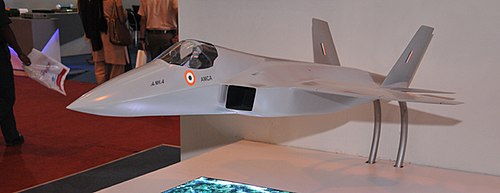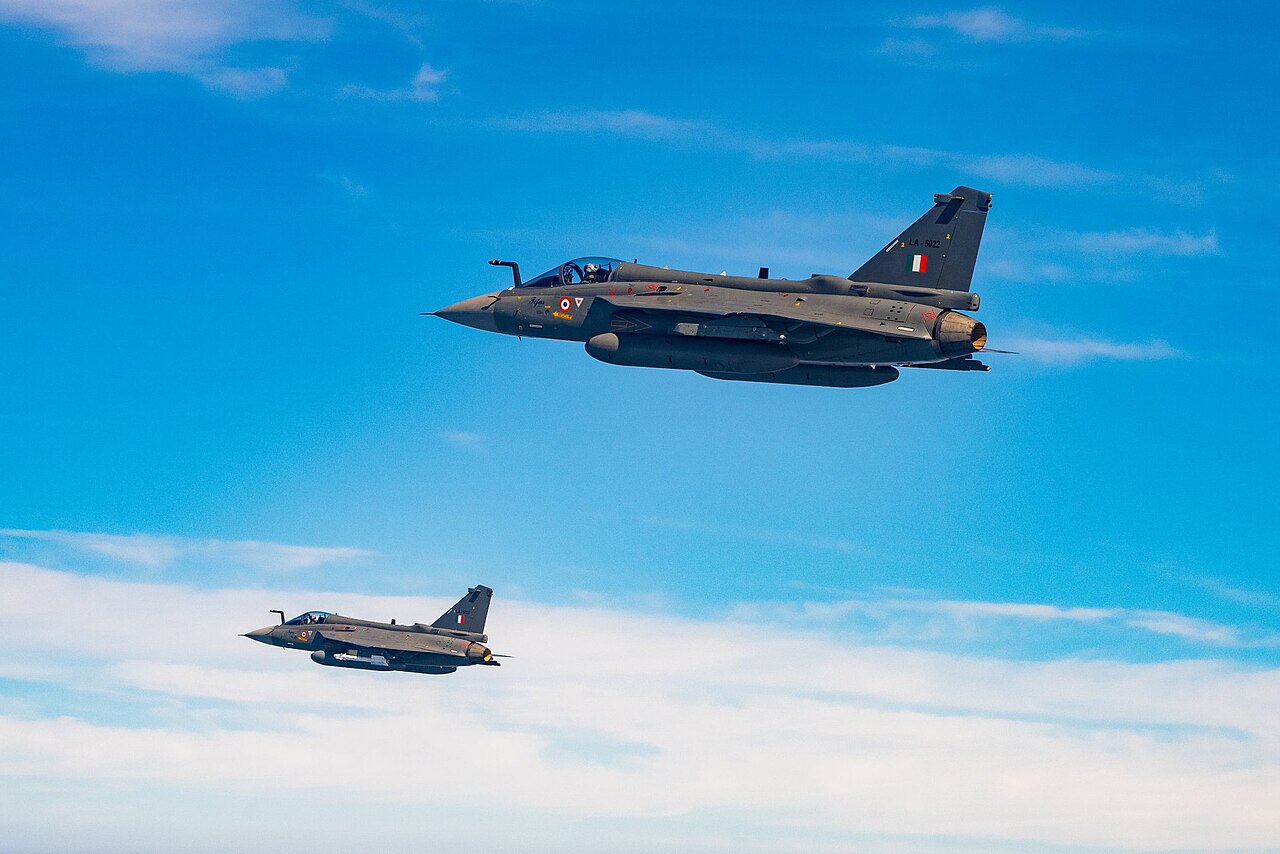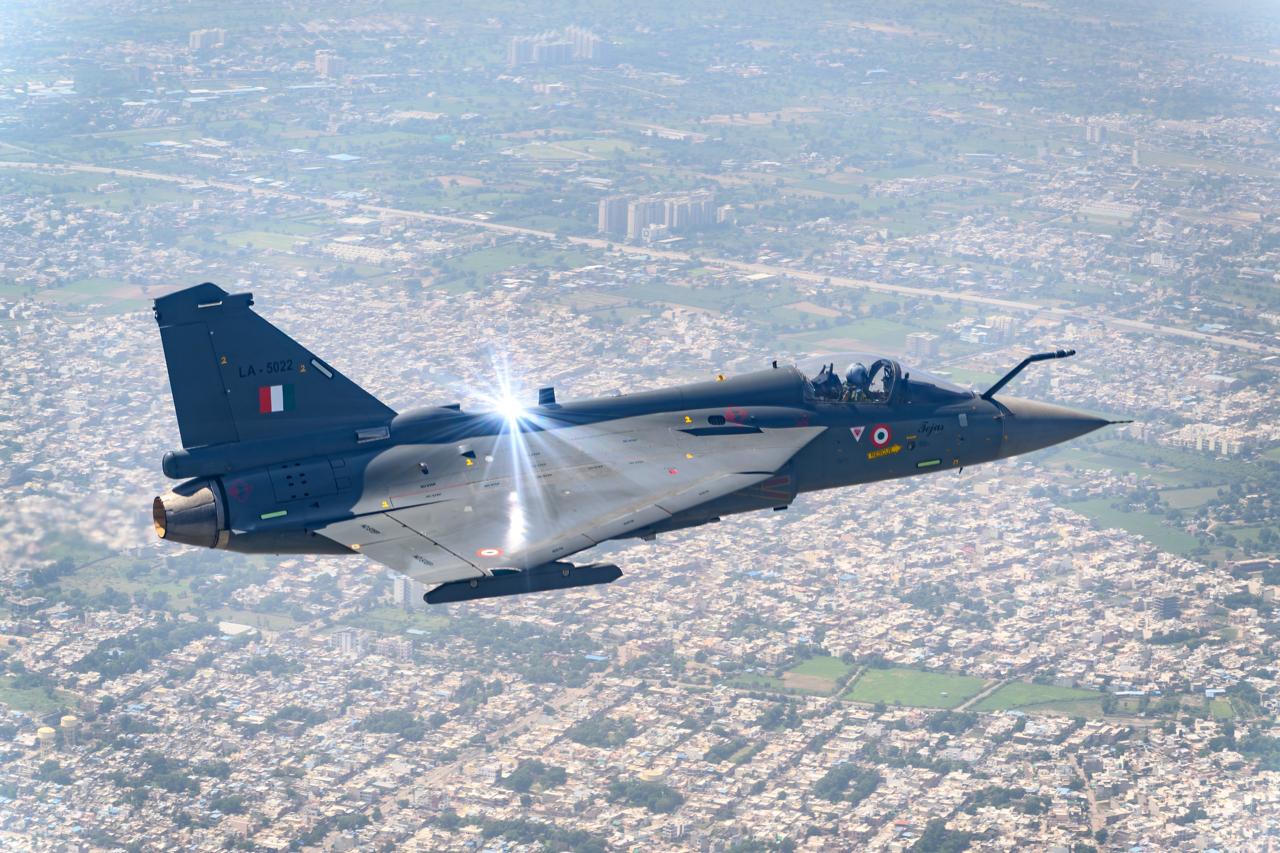
India’s aerospace and defense sectors are entering a transformative phase with the reaffirmed partnership between Rolls-Royce and Indian stakeholders to co-develop next-generation combat aircraft engines. This collaboration, distinguished by full intellectual property (IP) rights transfer to India, promises to be a cornerstone in elevating India’s indigenous fighter aircraft programs such as the Advanced Medium Combat Aircraft (AMCA) and Tejas Mark 2. This blog post offers a detailed assessment of the program’s framework, technical aspects, projected timelines, and strategic implications.
The Rolls-Royce and India Collaboration Framework
The partnership between Rolls-Royce and India marks a significant milestone in defense technology cooperation. Unlike conventional foreign collaborations that often restrict technology transfer, this program is structured around full IP transfer, ensuring that India will have unrestricted access to the engine’s design, manufacturing processes, and future upgrades. This approach aligns with India’s strategic emphasis on self-reliance (Atmanirbhar Bharat) in defense manufacturing.
The collaboration framework is designed as a co-development model, where Indian defense research institutions, including DRDO and its Aeronautical Development Establishment (ADE), will work alongside Rolls-Royce engineers. The transfer of technology (ToT) is supported by formalized agreements and knowledge-sharing mechanisms, as outlined in the Ministry of Defence’s schemes on ToT (see DRDO ToT Program).
This transfer of comprehensive IP rights means that India will not be dependent on Rolls-Royce for maintenance, upgrades, or future variants of the engine, a critical factor for the long-term sustainability of indigenous fighter platforms.
Technical Innovations in Next-Generation Combat Engines
The upcoming combat engine development focuses on several key technical innovations:
Enhanced Thrust-to-Weight Ratio: To meet the demanding requirements of fifth-generation fighters like AMCA, the engine is expected to deliver superior thrust performance while maintaining a lightweight design. This will enable improved supercruise and agility.
Advanced Materials and Cooling Technologies: Utilization of cutting-edge materials such as ceramic matrix composites (CMCs) will reduce engine weight and increase thermal efficiency. Innovative cooling techniques will allow the engine to sustain higher operating temperatures, enhancing fuel efficiency and durability.
Digital Engine Control Systems: Integration of Full Authority Digital Engine Control (FADEC) systems with advanced diagnostics will provide real-time engine health monitoring, predictive maintenance, and optimized performance management.
Stealth and Reduced Infrared Signature: The design incorporates features to minimize infrared and radar signatures, critical for survivability in contested environments.
Modular Architecture: The engine’s modular design will facilitate ease of maintenance and rapid integration with multiple aircraft platforms.
These innovations collectively aim to propel India’s indigenous fighter programs into the next generation of aerospace capabilities, ensuring competitive edge in both regional and global contexts.
Projected Timelines and Integration Plans
The development timeline for the next-gen engine is ambitious but pragmatic:
2026-2028: Design finalization and initial prototype development, with collaborative testing in India and the UK.
2028-2030: Ground testing and integration trials on testbed aircraft, including the Tejas Mk2 platform.
2030-2032: Flight testing with AMCA prototypes, followed by production readiness certification.
The phased approach allows iterative validation, leveraging Rolls-Royce’s expertise and India’s growing aerospace capabilities. Integration with Tejas Mk2 will serve as a critical early step, providing feedback for refinement before scaling to the AMCA, India’s advanced stealth fighter.
Strategic Benefits for India’s Aerospace Ecosystem
The strategic implications of this collaboration extend beyond engine technology:
Strengthening Indigenous Manufacturing: Full IP rights empower Indian industry to manufacture and maintain engines domestically, reducing reliance on imports and associated geopolitical risks.
Skill Development and Human Capital: The partnership includes extensive knowledge transfer programs, internships, and joint R&D initiatives (aligned with DRDO’s internship efforts such as at NSTL Visakhapatnam), building a pool of skilled aerospace engineers and technicians.
Catalyst for Future Innovations: Access to advanced engine technology sets a foundation for indigenous development of next-generation propulsion systems, including adaptive cycle engines and sustainable aviation fuels.
Enhanced Strategic Autonomy: Control over critical technologies enhances India’s ability to independently upgrade and customize its fighter fleet in response to evolving threats along its borders, particularly in the Indo-Pacific theater.
Export Potential: Indigenous capability in advanced engine manufacturing can catalyze defense exports, contributing to India’s ambition to become a global defense supplier.
Geopolitical and Defense Context
India’s focus on next-generation combat engines comes amid a complex regional security environment. The modernization of the Indian Air Force (IAF) with platforms like AMCA and Tejas Mk2 is crucial to counterbalance regional adversaries equipped with advanced fighter jets and missile systems. The strategic autonomy gained through this Rolls-Royce collaboration will also buffer India against supply chain disruptions emanating from geopolitical tensions, such as ongoing conflicts in the Middle East and evolving global power dynamics.
Moreover, the success of this engine program will complement other indigenous efforts such as the Ghatak UCAV project, recently cleared for development, which aims to provide stealth strike capabilities to the IAF (Defence News India). Collectively, these programs signify India’s comprehensive push towards a modern, agile, and self-reliant defense posture.
Conclusion
The reaffirmed co-development of next-generation combat engines by Rolls-Royce and India represents a pivotal step in India’s aerospace modernization journey. With full IP rights transfer, cutting-edge technology integration, and strategic alignment with indigenous fighter programs like AMCA and Tejas Mk2, this partnership enhances India’s defense capabilities and manufacturing ecosystem. As the program progresses through its development milestones, India is poised to emerge as a significant player in advanced combat propulsion technology, bolstering its strategic autonomy and regional security posture.
Key Takeaways
The Rolls-Royce-India partnership includes full IP rights transfer, enabling India to independently manufacture, maintain, and upgrade next-gen combat engines.
Technical innovations such as improved thrust-to-weight ratio, advanced materials, digital controls, and stealth features will power indigenous fighters like AMCA and Tejas Mk2.
Development timelines target initial integration by 2028 with Tejas Mk2 and operational readiness by early 2030s for AMCA.
The collaboration strengthens India’s aerospace manufacturing base, workforce skills, and strategic autonomy in a complex geopolitical environment.
Sources
Rolls-Royce Reaffirms Co-Development of Next-Gen Combat Engines with India, Including Full IP Rights. Defence News India. Link
DRDO ToT Program. Defence Research and Development Organisation. Link
NSTL Visakhapatnam Internship Opportunities. DRDO. Link
13-Ton Ghatak UCAV Development Clearances. Defence News India. Link