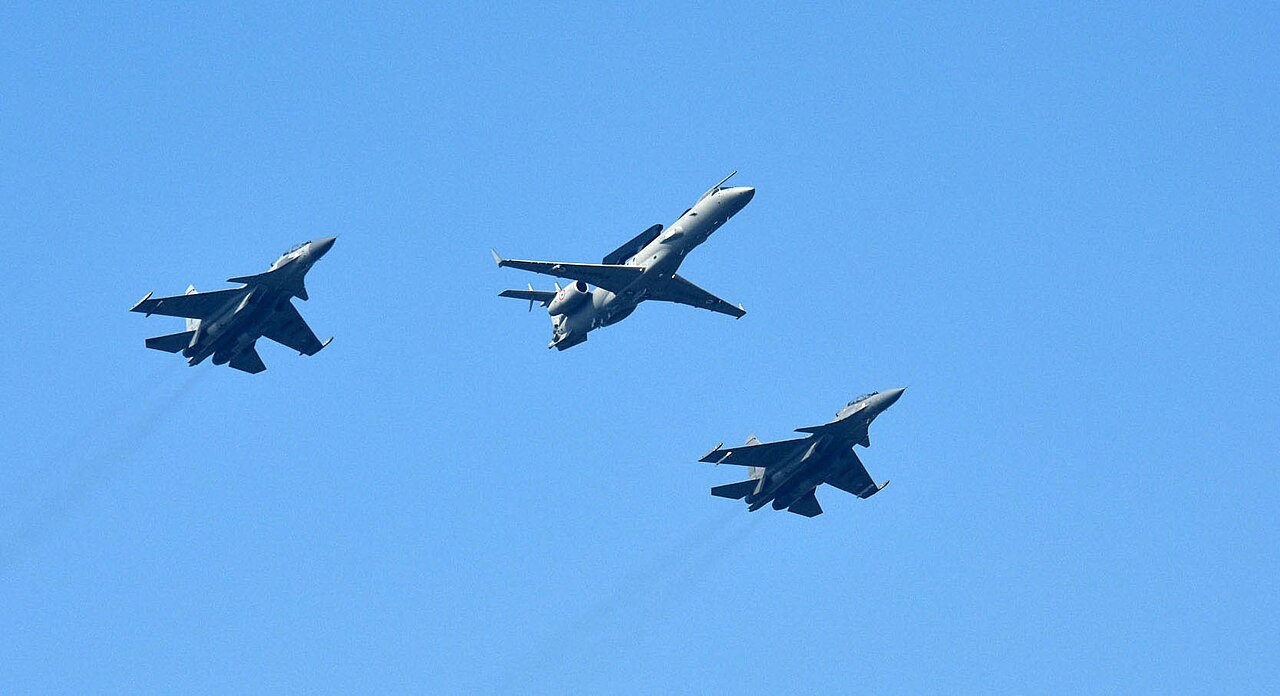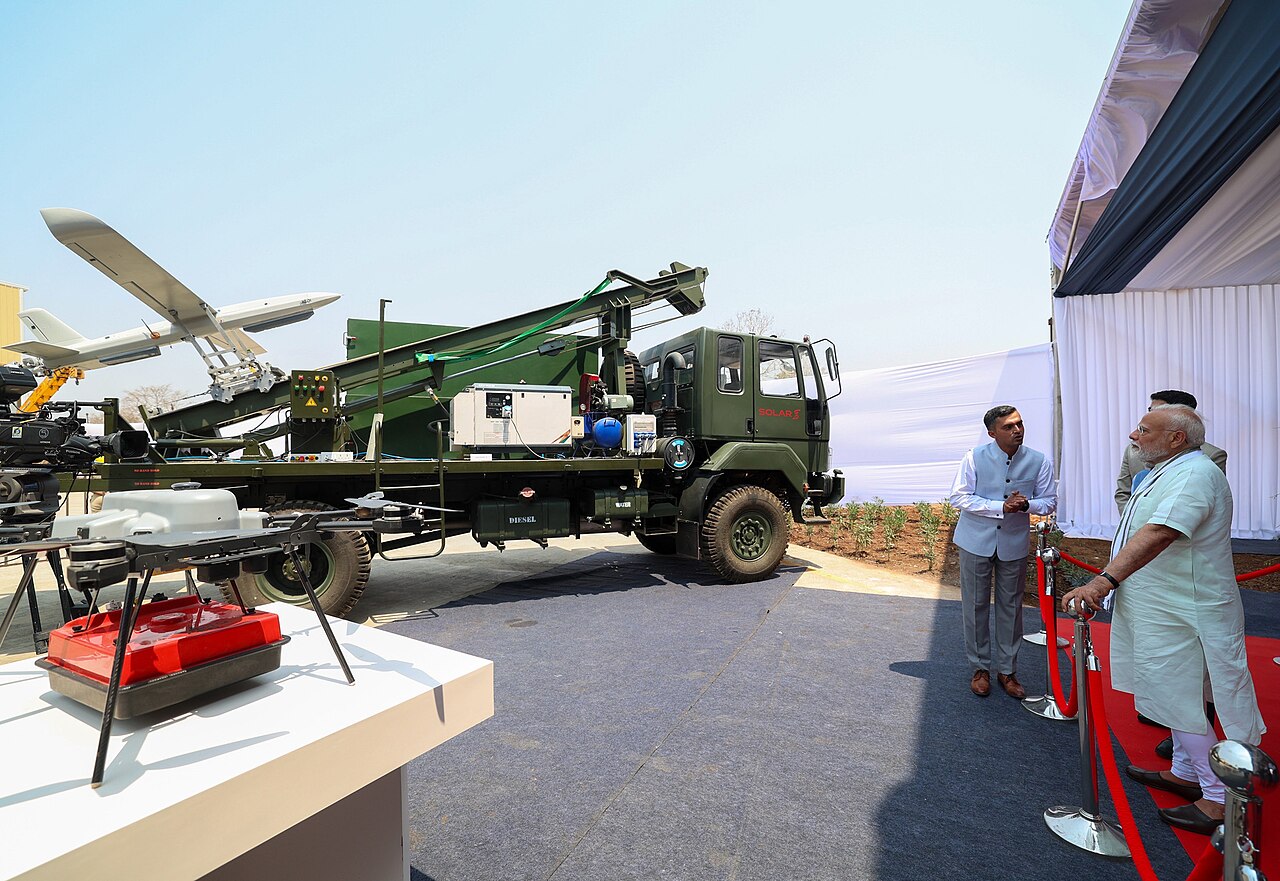
Unmanned Aerial Vehicles (UAVs), particularly Medium Altitude Long Endurance (MALE) drones, have become indispensable assets in modern military operations. For India, a country with diverse and sensitive border challenges, MALE drones are critical for persistent intelligence, surveillance, reconnaissance (ISR), and precision strike capabilities. However, recent reports indicate that the Indian Armed Forces are likely to exclude the indigenously developed TAPAS-BH-201 drone from a major 97-unit MALE drone procurement order owing to its inability to meet altitude and endurance benchmarks[^5][^6]. This decision has profound implications for India’s UAV strategy, indigenous defense programs, and overall border security posture amid heightened regional tensions.
Background: TAPAS-BH-201 and India’s UAV Ambitions
TAPAS-BH-201, developed under the Defence Research and Development Organisation’s (DRDO) Rustom UAV program, represents India’s push towards self-reliance in critical surveillance technologies. Designed as a MALE category drone, TAPAS-BH-201 was intended to replace or complement existing platforms to provide long-endurance ISR capabilities along India’s expansive borders, including the volatile northern and northeastern sectors.
The ambition behind TAPAS was clear: reduce dependence on foreign UAVs, enhance customization to India’s unique operational environment, and foster indigenous technological innovation. However, meeting the stringent altitude and endurance requirements necessary for effective MALE operations—commonly involving operational ceilings above 20,000 feet and endurance exceeding 24 hours—has proven challenging.
Operational Limitations and Impact on MALE Drone Roles
According to Defence News India[^5][^6], TAPAS-BH-201 failed to meet critical altitude and endurance benchmarks during trials. Such limitations translate into reduced operational effectiveness for key roles:
Altitude Ceiling: High operational ceilings are essential to conduct ISR missions over mountainous terrains, such as the Himalayas, while avoiding enemy air defense systems. TAPAS-BH-201’s inability to consistently operate at required altitudes limits its deployment along high-altitude borders with China.
Endurance: Long endurance ensures persistent surveillance over critical border stretches without frequent landings for refueling or maintenance. Shortcomings here reduce mission duration and increase operational costs and manpower requirements.
These constraints effectively disqualify TAPAS-BH-201 from fulfilling the critical MALE drone roles of persistent border surveillance, target acquisition, and real-time intelligence gathering. The Indian Armed Forces’ decision to exclude TAPAS from the 97-unit procurement order reflects operational pragmatism but also highlights gaps in indigenous UAV capabilities.
Surveillance and Intelligence Gathering: Consequences for Border Security
India’s geopolitical landscape is characterized by complex border challenges involving China, Pakistan, and insurgency-affected regions. Effective aerial ISR is pivotal in these contexts:
- Enhanced surveillance deters infiltration attempts, monitors troop movements, and supports rapid response.
- Real-time intelligence feeds enable precision targeting and limit collateral damage during kinetic operations.
With TAPAS-BH-201 sidelined, India risks a temporary shortfall in these capabilities unless alternative platforms fill the void promptly. Currently, India relies on a mix of foreign UAVs such as the Israeli Heron and American Predator drones to supplement its ISR needs. However, these come with issues like supply chain vulnerabilities, export restrictions, and limited technology transfer.
The exclusion of TAPAS thus may result in:
- Operational gaps in high-altitude surveillance, especially along the Line of Actual Control (LAC) with China.
- Increased dependence on foreign systems, raising concerns over strategic autonomy and data security.
- Potential delays in implementing a unified and standardized MALE drone fleet, complicating training and maintenance.
Indigenous UAV Programs and Reliance on Foreign Technology
The TAPAS-BH-201 setback underscores persistent challenges in India’s indigenous UAV development ecosystem:
- Developing high-performance, reliable MALE drones requires sophisticated avionics, engine technology, materials, and sensor integration.
- DRDO and domestic industry partners have made strides but face limitations in scaling from prototypes to mass production with consistent quality.
This gap invites a reassessment of the balance between indigenous development and foreign procurement. While reliance on foreign platforms ensures immediate capability, it can undermine long-term strategic autonomy. Conversely, overdependence on domestic programs without adequate performance can jeopardize operational readiness.
India must therefore pursue a calibrated approach:
- Accelerate technology maturation in indigenous UAVs via increased funding, international collaborations, and private sector participation.
- Negotiate technology transfer agreements with trusted foreign partners to bridge capability gaps.
- Develop modular UAV architectures allowing integration of domestic and imported components.
Implications for Future Drone Modernization and Procurement
The decision to exclude TAPAS-BH-201 from the 97-unit MALE drone order will likely influence India’s broader drone modernization trajectory:
- Procurement Strategy: The armed forces may prioritize proven foreign-made platforms or hybrid approaches while supporting indigenous programs in parallel.
- Capability Roadmap: Emphasis on meeting stringent operational benchmarks will require tighter testing protocols and iterative development.
- Industry Impact: Defense public sector units and private players involved in UAV production will face pressure to innovate and meet global standards.
- Strategic Posture: Enhanced aerial ISR remains vital amid evolving threats, including cross-border terrorism, hybrid warfare, and conventional military standoffs.
Given the criticality of UAVs in contemporary warfare, India’s drone procurement and development policies will be closely watched by regional players and defense analysts alike.
Geopolitical Context and Strategic Considerations
India’s border security environment remains tense, with recent escalations and ceasefire violations reported along the LAC and Line of Control (LoC). The country also faces asymmetric threats necessitating persistent surveillance and rapid intelligence dissemination.
Furthermore, as noted in recent diplomatic and defense developments[^7], regional adversaries continue to test India’s border vigilance. The ability to maintain technological superiority in ISR platforms like MALE drones directly impacts deterrence and operational success.
Additionally, the strategic partnership dynamics with countries like the US and Israel, who supply drones and related technologies, influence procurement decisions. India’s need to balance strategic autonomy with operational imperatives drives the complexity of UAV procurement.
Conclusion
The exclusion of TAPAS-BH-201 from a significant MALE drone procurement marks a pivotal moment in India’s UAV journey. While it highlights current technological and operational constraints within indigenous programs, it also reinforces the imperative for a pragmatic, multi-pronged strategy balancing domestic innovation with foreign collaboration.
Enhancing India’s aerial ISR capabilities through reliable, high-endurance MALE drones remains essential to secure its borders and maintain strategic advantage in a complex regional security environment.
Key Takeaways
- TAPAS-BH-201 failed to meet critical altitude and endurance benchmarks, leading to its exclusion from a major 97-unit MALE drone procurement.
- This decision creates potential gaps in India’s aerial surveillance capabilities, particularly for high-altitude border monitoring.
- Heightened reliance on foreign UAV technology raises strategic autonomy concerns while indigenous UAV programs face developmental challenges.
- Future drone modernization will require a balanced approach emphasizing capability, indigenous innovation, and trusted foreign partnerships.
- Persistent ISR capabilities remain vital given ongoing regional tensions and evolving security threats along India’s borders.
Sources
- Defence News India, “Indian Armed Forces Likely to Exclude TAPAS-BH-201 from 97 MALE Drone Order Amid Failed Altitude and Endurance Benchmarks,” 2026-03-11. Link
- DRDO Official, “SAGAR MAITRI-5 Expedition Formally Flagged Off,” 2026-03-11. Link
- Defence News India, “India Slams Pakistan’s Airstrikes in Afghanistan as a Flagrant Violation of International Law and State Sovereignty,” 2026-03-11. Link