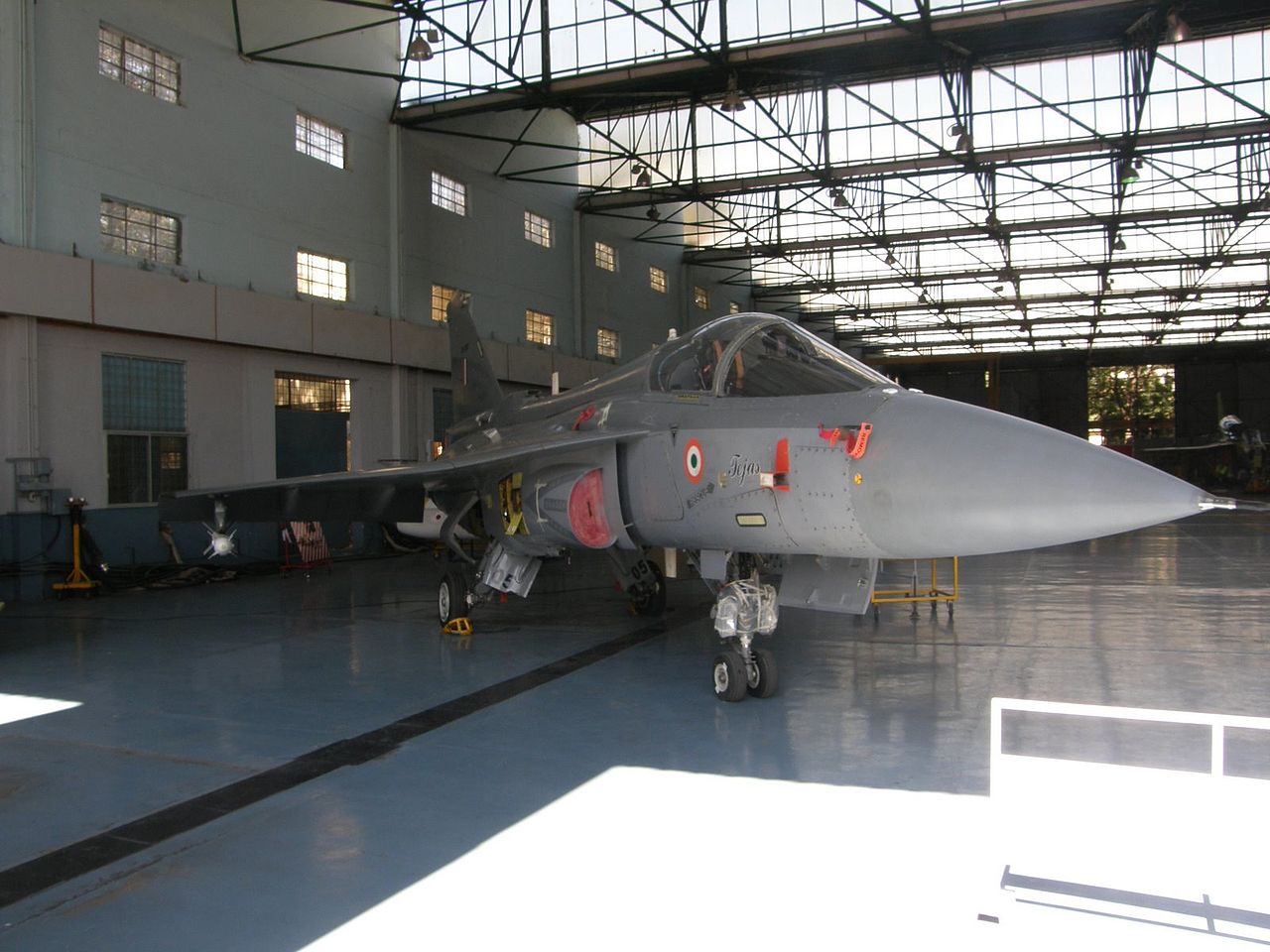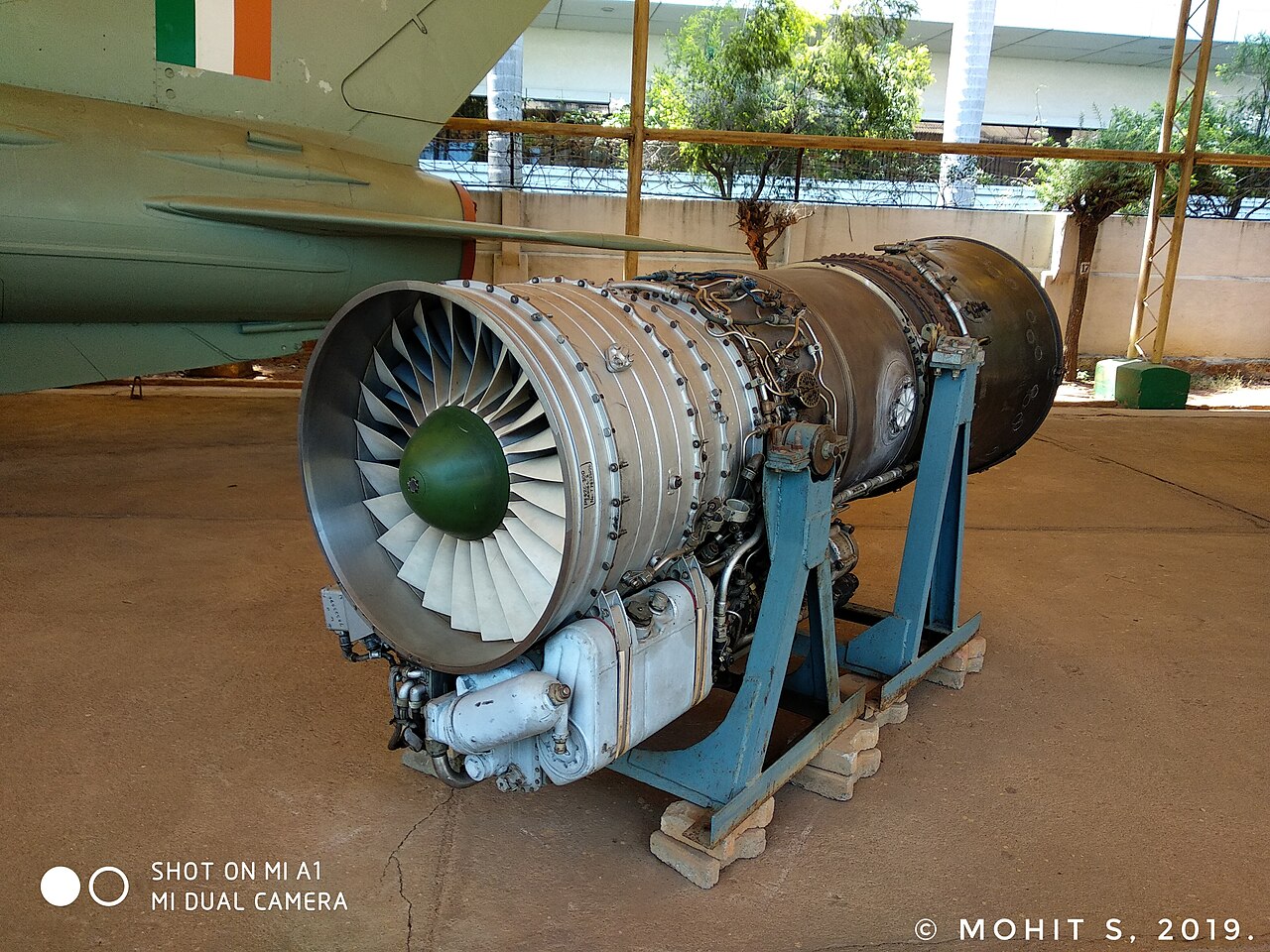
The Indian aerospace and defense sectors are at a pivotal juncture, actively embracing advanced technology partnerships that promise to bolster indigenous capabilities. One such promising development is Rolls-Royce’s pitch of its modular Orpheus engine family for co-development and integration into India’s trainer aircraft and unmanned aerial vehicles (UAVs). This collaboration epitomizes the convergence of cutting-edge defense technology and India’s strategic objective to nurture a self-reliant aerospace manufacturing ecosystem under the Make in India initiative.
In this blog, we delve into the technical features and advantages of the Orpheus engine family, explore the projected timeline for its co-development and induction, examine synergies with India’s indigenous aerospace ambitions, and assess its potential impact on India’s pilot training and UAV operational capabilities.
The Orpheus Modular Engine Family: Technical Features and Advantages
The Rolls-Royce Orpheus engine family represents a modern modular turbofan/turbojet engine design that leverages decades of experience while incorporating state-of-the-art technologies. The original Orpheus engine, developed in the 1950s, powered iconic trainer aircraft such as the Folland Gnat. The new modular iteration is a highly versatile and scalable propulsion solution designed to meet the diverse requirements of contemporary trainer aircraft and UAV platforms.
Key Technical Aspects:
Modularity and Scalability: The Orpheus family is built around a modular architecture, allowing easy adaptation to different thrust requirements by varying components such as compressors, turbines, and afterburners. This modularity significantly reduces development timelines and lifecycle costs.
Fuel Efficiency and Reliability: Incorporating advanced materials and aerodynamic designs, the engine offers improved fuel consumption rates and extended maintenance intervals, critical for trainer fleets and long-endurance UAVs.
Low Infrared and Acoustic Signatures: Reduced thermal and noise footprints enhance survivability and operational flexibility, particularly valuable for reconnaissance and surveillance UAVs operating in contested environments.
Digital Engine Control: Integration of Full Authority Digital Engine Control (FADEC) systems enables precise engine management, improving performance, safety, and reducing pilot workload during training missions.
Ease of Maintenance: The modular design facilitates rapid replacement and repair of engine modules, contributing to higher operational availability and reduced downtime.
Projected Timeline for Co-Development and Induction
Rolls-Royce has proposed a phased co-development roadmap with Indian aerospace partners, envisaging technology transfer and localized manufacturing as core elements. This initiative aligns with India’s longstanding policy to acquire technology through collaboration, thereby accelerating indigenous capability building.
Phase 1 (2026-2028): Finalization of technical parameters and joint development agreements, including selection of Indian industrial partners under the Make in India framework. Initial prototype engines will be developed and tested in the UK and India.
Phase 2 (2028-2030): Integration and flight testing of the Orpheus engine on Indian trainer aircraft platforms such as the HJT-36 Sitara or future advanced trainers under development by HAL and DRDO. Simultaneous development of UAV variants.
Phase 3 (Post-2030): Full-scale production and induction into Indian Air Force (IAF) trainer squadrons and UAV fleets, accompanied by localized maintenance, repair, and overhaul (MRO) infrastructure.
This timeline is ambitious yet realistic, considering the existing aerospace industrial base and ongoing government initiatives to streamline defense procurement and co-development.
Synergies with India’s Indigenous Aerospace Manufacturing and Technology Ecosystem
India’s aerospace manufacturing has witnessed significant strides over the last decade, with platforms such as the HAL Tejas, HJT-36, and a growing UAV portfolio. However, indigenous jet engine development remains a challenging frontier due to high technical complexity and resource requirements.
The Orpheus engine co-development offers multiple synergies:
Technology Transfer and Skill Development: Rolls-Royce’s transfer of modular engine technology will enrich Indian capabilities in high-precision manufacturing, metallurgy, and digital engine control systems, areas critical for future indigenous engine projects like the Kaveri.
Strengthening MSME and Public Sector Ecosystems: The modular approach allows participation of micro, small, and medium enterprises (MSMEs) alongside public sector units (PSUs) such as HAL and DRDO labs, fostering a robust aerospace supply chain.
Plug-and-Play Compatibility: The modular design facilitates integration with multiple Indian trainer aircraft and UAV designs, enabling faster platform upgrades without extensive redesigns.
Supporting Make in India Goals: Localized production and assembly will reduce dependency on imports, improve cost-effectiveness, and ensure operational sovereignty.
Stimulating R&D Collaboration: Joint development projects incentivize innovation, with potential spillover benefits for civilian aerospace and other high-technology sectors.
Potential Impact on India’s Pilot Training and UAV Operational Capabilities
Pilot Training Enhancement
India’s Air Force, Navy, and paramilitary aviation units rely heavily on effective training platforms to prepare pilots for frontline combat aircraft. Current jet trainers like the HJT-36 Sitara and imported BAE Hawk variants face challenges in engine performance, operational costs, and maintainability.
The Orpheus engine’s superior fuel efficiency and reliability will allow extended sortie rates, reducing training costs and increasing pilot proficiency.
Enhanced digital control systems will simulate advanced fighter aircraft environments more accurately, better preparing trainees for next-generation platforms like the Tejas Mk2 and AMCA.
Reduced maintenance downtime will ensure higher aircraft availability, addressing current bottlenecks in pilot throughput.
UAV Operational Expansion
India’s military UAV fleet is expanding rapidly for surveillance, reconnaissance, and tactical strike roles. However, propulsion limitations often constrain endurance and payload capacity.
Orpheus-powered UAV variants can benefit from optimized thrust-to-weight ratios and lower thermal signatures, enabling longer missions and enhanced survivability in contested airspace.
Modularity allows customization of engine configurations tailored to different UAV classes, from tactical drones to medium-altitude long-endurance (MALE) platforms.
Indigenous co-development ensures cost-effective maintenance and upgrades, critical for sustaining large UAV fleets.
Geopolitical and Strategic Context
India’s security environment, marked by complex border challenges and a rapidly modernizing adversary aerospace landscape, necessitates continual upgrades in training and unmanned platforms.
Enhanced trainer aircraft with advanced engines will improve pilot readiness to counter threats along the Line of Actual Control (LAC) and secure strategic airspaces.
Expanding UAV capabilities powered by efficient engines will augment India’s intelligence, surveillance, and reconnaissance (ISR) footprint across sensitive regions including the Indo-Pacific.
Indigenous co-development under Make in India reduces strategic vulnerabilities linked to foreign supply chains, especially amid rising global geopolitical uncertainties.
Partnerships with established global players like Rolls-Royce underscore India’s pragmatic approach to defense modernization—balancing acquisition, co-development, and self-reliance.
Conclusion
Rolls-Royce’s modular Orpheus engine family presents a compelling opportunity to revolutionize India’s trainer and UAV aircraft propulsion landscape. Its advanced modular architecture, combined with a strategic co-development roadmap, aligns seamlessly with India’s aerospace ambitions under the Make in India initiative.
The program promises not only to enhance pilot training quality and UAV operational effectiveness but also to catalyze a robust indigenous aerospace manufacturing ecosystem. As India continues to invest in cutting-edge defense technologies, such partnerships will be crucial in enabling a technologically sovereign and strategically resilient defense posture.
Key Takeaways
Rolls-Royce’s modular Orpheus engine offers scalable, fuel-efficient, and low-signature propulsion tailored for India’s trainers and UAVs.
The co-development timeline (2026-2030) envisions phased technology transfer, prototype testing, and localized production aligned with Make in India goals.
This partnership will significantly boost India’s indigenous aerospace manufacturing capabilities and R&D ecosystem.
Enhanced trainer and UAV engine performance will improve pilot readiness, operational availability, and ISR capabilities critical in India’s complex security environment.
Sources
Defence News India. “Rolls-Royce Pitches Modular ‘Orpheus’ Engine Family Co-Development for India’s Trainer and Unmanned Aircraft.” Published 2026-03-13. https://www.defencenews.in/threads/rolls-royce-pitches-modular-orpheus-engine-family-co-development-for-indias-trainer-and-unmanned-aircraft.17152/
DRDO Official. Technology Transfer Offerings. https://www.drdo.gov.in/drdo/en/offerings/schemes-and-services/tot
Ministry of Defence, Government of India. Make in India – Aerospace Sector Reports. (Various internal publications)
Analysis by AI Defense Analyst (2026).