The recent missile and drone strikes launched by Iran, which have compelled the United Arab Emirates (UAE) to temporarily close its airspace, underscore a volatile shift in the Gulf security environment. These developments carry significant strategic implications for India, whose energy security and regional interests are deeply intertwined with stability in the Gulf and West Asia. This post analyzes how Iran’s evolving missile and drone tactics impact India’s security calculus, explores India’s operational readiness to safeguard its maritime oil supply routes, and assesses the roles of the Indian Navy and Air Force in enhanced surveillance and deterrence. Additionally, we examine potential shifts in India’s defense diplomacy as New Delhi navigates a complex regional landscape marked by great power competition and emerging threats.
Iran’s Missile and Drone Tactics: Impact on Gulf Security and Indian Interests
On March 17, 2026, the General Civil Aviation Authority of the UAE announced a full closure of its airspace following Iranian missile and drone strikes, signaling a marked escalation in Iran’s regional provocations (ANI News). These tactics reflect Tehran’s growing reliance on asymmetrical warfare capabilities to project power and challenge both regional adversaries and international maritime traffic, especially near the strategic Strait of Hormuz.
For India, which imports nearly 80% of its crude oil primarily through Gulf routes, such instability threatens to disrupt energy supplies critical for its economy (The Diplomat). The intermittent closure of airspace and potential targeting of maritime assets could cascade into supply chain disruptions and increased insurance and operational costs for Indian shipping. Moreover, the spillover of missile and drone warfare raises concerns about collateral damage and the risk of unintended escalation affecting India’s commercial and strategic interests in the region.
India’s Operational Readiness to Protect Maritime Oil Supply Routes
India’s strategic calculus has long prioritized safeguarding its energy lifelines stretching from the Persian Gulf to the Arabian Sea. The recent Iranian missile strikes intensify the urgency for India to bolster its operational readiness and maritime domain awareness to counter spillover threats effectively.
The Indian Navy plays a pivotal role in securing the crucial sea lanes of communication (SLOCs), including the Gulf of Oman and the Arabian Sea, which funnel vital energy supplies. Enhancements in naval capabilities, such as the commissioning of new stealth frigates, expansion of the P-8I maritime patrol aircraft fleet, and induction of advanced submarine platforms, have progressively improved India’s ability to monitor and respond to hostile activities in these waters.
In particular, the inauguration of the advanced RD-33MK engine preservation facility in Goa to boost the readiness of the MiG-29K fighter fleet marks a critical step in sustaining India’s carrier-based air power projection (Defence News India). This capability ensures that India’s naval aviation can rapidly deploy to counter aerial threats, including missile and drone incursions emanating from hostile actors in the Gulf region.
Role of Indian Navy and Air Force in Enhanced Surveillance and Deterrence
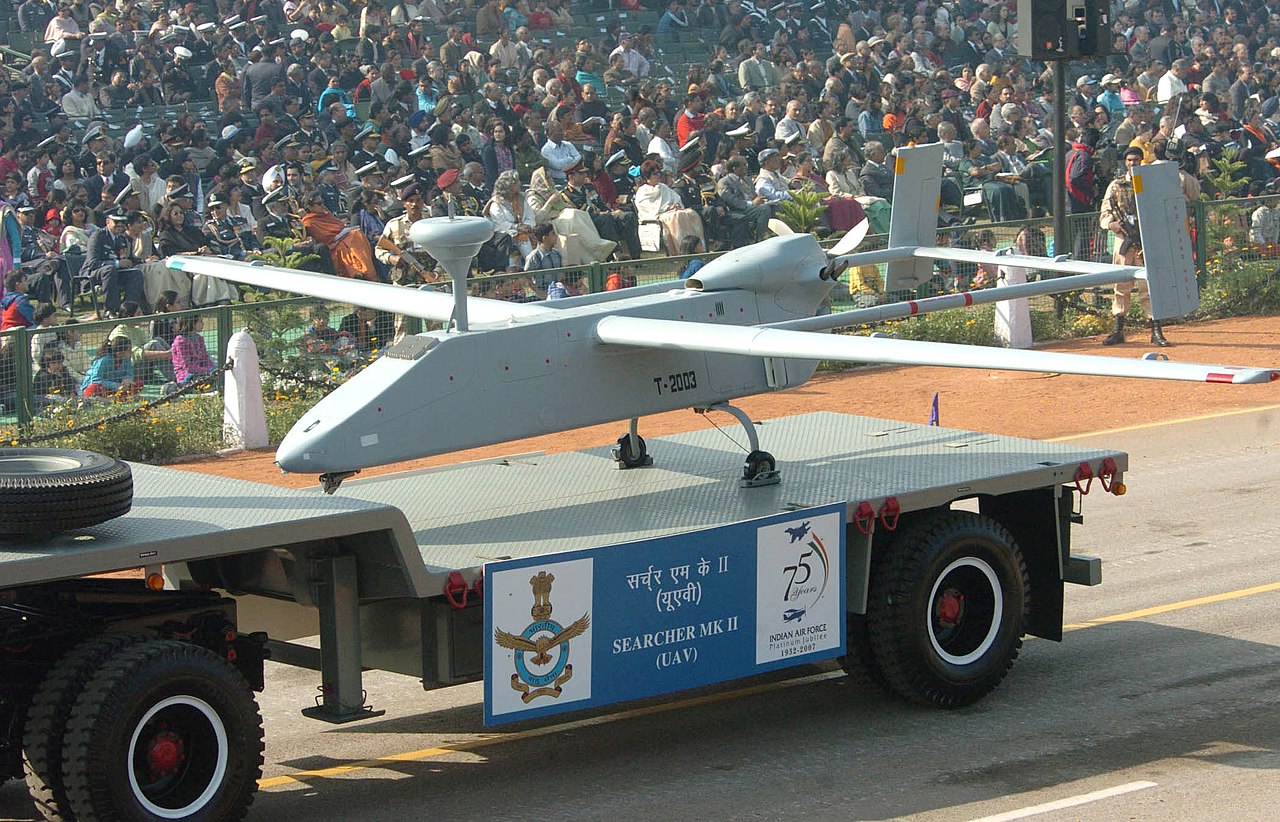
To address the asymmetric threat posed by Iranian missile and drone tactics, India is likely to intensify the integration of its naval and air surveillance assets. The Indian Air Force’s expanding use of airborne early warning and control systems (AEW&C), along with space-based ISR (Intelligence, Surveillance, Reconnaissance) capabilities, will be instrumental in early detection and tracking of missile launches and unmanned aerial vehicles (UAVs).
Additionally, the Indian Navy’s increasing deployment of unmanned combat aerial vehicles (UCAVs), such as the indigenous Ghatak UCAV under development, promises enhanced stand-off reconnaissance and strike options against hostile missile launch platforms (Defence News India). These developments reflect a broader trend towards leveraging cutting-edge technologies to counter stealthy, high-speed threats in contested maritime environments.
India’s layered missile defense architecture, incorporating systems like the Barak-8 and the soon-to-be operational Ballistic Missile Defence (BMD) shield, further strengthens deterrence against missile threats emanating from the Gulf region. Coordinated naval and air defense exercises focusing on counter-drone and missile interception tactics are expected to become more frequent and sophisticated.
Geopolitical Context and Potential Shifts in India’s Defense Diplomacy
India’s response to Iran’s missile threats must also be understood within the broader geopolitical dynamics of the Gulf and West Asia. The evolving Gulf conflict, sometimes dubbed “Gulf War 3.0,” has drawn in multiple regional and global actors, including the United States, Israel, Russia, and China (The Diplomat).
India has traditionally maintained a delicate balancing act—cultivating strong energy and trade ties with Gulf Cooperation Council (GCC) states like the UAE and Saudi Arabia, while also preserving a historically cordial relationship with Iran. Recent disruptions have prompted New Delhi to recalibrate its defense diplomacy, emphasizing enhanced security cooperation with Gulf partners and a renewed strategic dialogue with Tehran to mitigate tensions.
India’s expanding defense engagements with Gulf countries, including joint naval exercises, intelligence sharing, and port access agreements, reflect a pragmatic approach to ensuring uninterrupted energy flows and maritime security. Simultaneously, India remains cautious of getting entangled in proxy conflicts, opting instead for diplomatic channels aimed at de-escalation.
Moreover, India’s growing defense ties with Western powers, particularly the United States and Israel, whose regional strategies actively counter Iran’s missile capabilities, add layers of complexity to New Delhi’s policy formulation. The Israeli envoy’s recent statements underscoring a “no shifting of the goalposts” approach to neutralizing the Iranian threat (ANI News) highlight the intensifying security environment that India must navigate carefully.
Conclusion
The recent Iranian missile and drone strikes that forced UAE airspace closures serve as a stark reminder of the evolving security threats in the Gulf region, with direct implications for India’s defense posture and strategic interests. India faces the dual challenge of enhancing its military preparedness to counter spillover threats while managing complex diplomatic relationships across a volatile region.
The Indian Navy and Air Force are progressively modernizing their capabilities, focusing on improved surveillance, rapid response, and multi-domain deterrence to safeguard critical maritime oil supply routes. Concurrently, India’s defense diplomacy is likely to witness nuanced shifts aimed at deepening security cooperation with Gulf states and engaging Iran constructively to maintain regional stability.
In this dynamic environment, India’s ability to adapt its defense posture and diplomatic strategy will be pivotal in securing its energy interests and maintaining a stable regional security architecture amid growing missile and drone threats.
Key Takeaways
- Iran’s missile and drone strikes have escalated Gulf security risks, directly impacting India’s energy supply routes and regional interests.
- India is enhancing naval and air force capabilities, including advanced surveillance, UCAV integration, and missile defense systems, to counter emerging missile threats.
- Strategic defense diplomacy with Gulf partners and Iran is evolving to balance security cooperation and conflict de-escalation amid a complex geopolitical milieu.
Sources
- “UAE shuts airspace following Iranian missile, drone strikes,” ANI News, 2026-03-17. Link
- “Gulf War 3.0: How Is India Securing Its Oil Supplies?” The Diplomat, 2026-03-16. Link
- “Indian Navy Inaugurates Advanced RD-33MK Engine Preservation Facility in Goa to Enhance MiG-29K Fleet Readiness,” Defence News India, 2026-03-17. Link
- “Evaluating the Ghatak UCAV: India’s Unmanned Answer to Chinese Stealth Fighters,” Defence News India, 2026-03-17. Link
- “No shifting of the goalposts: Israeli envoy on Iran mission,” ANI News, 2026-03-17. Link
- “How the Iran War Could Boost Russia’s Role in Asia’s Energy Future,” The Diplomat, 2026-03-17. Link