Introduction
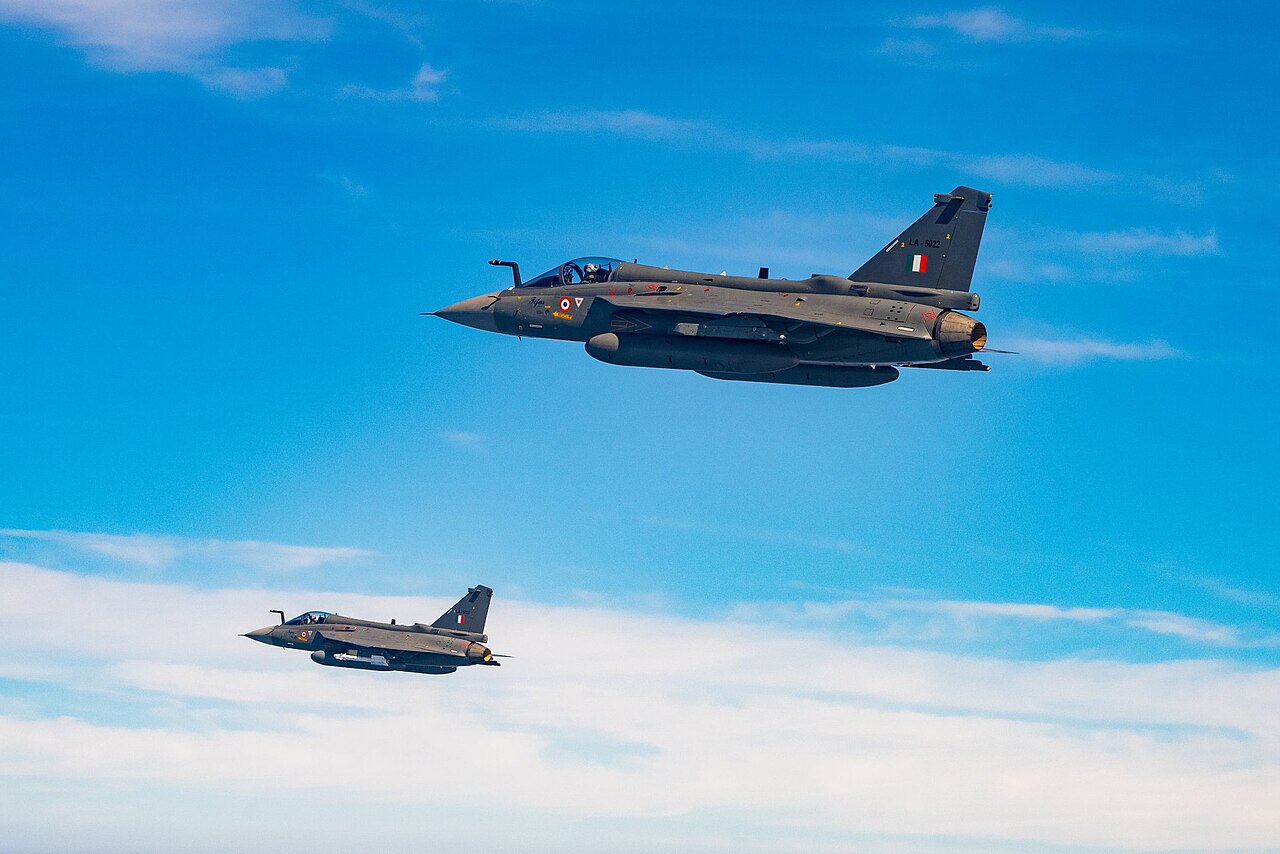
India’s indigenous Light Combat Aircraft (LCA) program has been steadily evolving, with the Tejas Mk2 variant poised to become a game-changer in the Indian Air Force’s (IAF) arsenal. One of the most significant enhancements with the Tejas Mk2 is the early integration of advanced missile systems—namely the SCALP, Crystal Maze, and Rampage missiles—designed to augment India’s deep strike and precision engagement capabilities. This development reflects a broader commitment by the Defence Research and Development Organisation (DRDO) and Hindustan Aeronautics Limited (HAL), alongside private industry partners, to advance India’s aerospace combat readiness and self-reliance in weapons technology.
This article delves into the technical overview of these missile systems, the current status of their integration with the Tejas Mk2, and the expected strategic impact on India’s defense posture.
Technical Overview of Missile Systems
SCALP Missile
The SCALP (Système de Croisière Autonome à Longue Portée) is a long-range, air-launched cruise missile developed originally by MBDA of France. Known internationally as the Storm Shadow, SCALP is designed for deep strike missions with stealthy, terrain-following flight profiles that enable precision engagement of high-value, well-defended targets beyond enemy air defenses. India’s interest in integrating SCALP on the Tejas Mk2 demonstrates a strategic shift towards stand-off capabilities, allowing the IAF to neutralize critical targets deep inside hostile territory without exposing its fighter jets to high-risk air defense zones.
Crystal Maze Missile
The Crystal Maze is an indigenous development by DRDO focusing on a precision-guided missile with multi-role capabilities. While details are classified, it is understood to be a versatile weapon capable of both air-to-surface and air-to-ship roles, with an emphasis on electronic countermeasures resistance and high accuracy. Its integration into the Tejas Mk2 platform is expected to provide the IAF with a flexible weapon system for varied operational scenarios, enhancing tactical options in both conventional and hybrid warfare environments.
Rampage Missile
Rampage is a supersonic cruise missile developed by DRDO, designed for rapid engagement of heavily defended targets. Its supersonic speed reduces the enemy’s reaction time and enhances survivability against modern air defenses. Equipped with advanced seekers and a substantial warhead, Rampage is tailored to complement the Tejas Mk2’s strike profile by enabling quick, decisive engagements at medium to long ranges.
Status and Progress of Integration on Tejas Mk2
The integration of these missile systems onto the Tejas Mk2 is a landmark in the aircraft’s development timeline. According to recent reports from Defence News India, the integration efforts are well underway, with flight trials scheduled to begin by late 2026 and operational deployment targeted for 2028.1 This accelerated timeline indicates prioritization by DRDO and HAL to field a combat-ready deep strike platform within the next few years.
Key milestones achieved include the completion of ground integration tests, avionics and fire control software updates to accommodate new weapons, and successful captive carry trials of missile prototypes. Collaborative efforts between DRDO’s missile development centers and HAL’s aircraft manufacturing units have streamlined the testing phases, while private sector players are contributing to subsystems and sensor integration under the recently mandated SAMAR (System for Assessment of Manufacturing and Reliability) framework effective from May 2027, ensuring quality and reliability across the supply chain.2
Strategic Impact on India’s Deep Strike and Precision Engagement Doctrines
The early integration of SCALP, Crystal Maze, and Rampage missiles on the Tejas Mk2 will significantly enhance the IAF’s ability to conduct deep penetration strikes with high precision and reduced risk to pilots and aircraft. This capability aligns with India’s evolving doctrinal emphasis on preemptive and retaliatory strikes against adversary critical infrastructure, including command centers, missile sites, and logistical hubs.
Given India’s complex security environment, characterized by potential multi-front threats and the need for rapid response, the Tejas Mk2’s deep strike capability fills a critical gap. The platform’s indigenous roots also allow for faster upgrades and integration of future weapons systems, enhancing flexibility and reducing dependence on foreign suppliers.
Moreover, when combined with other IAF platforms such as Su-30MKI (which is itself undergoing missile integration trials with Israeli ROCKS missiles3), the Tejas Mk2 will contribute to a layered and networked strike capability. This synergy improves India’s deterrence posture, providing credible options for precision engagement in both conventional warfare and asymmetric conflict scenarios.
Collaborative Ecosystem: DRDO, HAL, and Private Industry
The successful missile integration program underscores the growing collaboration between key stakeholders in India’s defense ecosystem. DRDO remains at the forefront of missile design and testing, while HAL continues to refine aircraft integration and production processes. Private industry partners have increasingly become vital contributors, particularly in subsystems manufacturing, electronic warfare suites, and avionics, all operating under stringent quality controls such as the SAMAR assessment model introduced in 2027.2
This collaborative framework not only accelerates development cycles but also supports the Make in India initiative, which aims to boost indigenous defense manufacturing and reduce import dependency. Enhanced certification mechanisms, such as the e-Certification portal provided by CEMILAC (Centre for Military Airworthiness and Certification), facilitate streamlined approvals and ensure compliance with operational standards.4
Geopolitical and Security Context
India’s pursuit of advanced deep strike capabilities through platforms like the Tejas Mk2 comes against a backdrop of regional security challenges and evolving threats. The volatile security situation in India’s neighborhood, including missile threats and proxy conflicts, necessitates a robust and flexible aerial strike force.
Furthermore, recent developments in missile technology globally—highlighted by conflicts such as the Iranian ballistic missile attacks in the Middle East5—underscore the importance of precision and survivability in strike platforms. India’s integration of advanced missile systems on indigenous aircraft enhances its strategic autonomy and provides a credible deterrent against adversaries equipped with sophisticated air defense networks.
Conclusion
The integration of the SCALP, Crystal Maze, and Rampage missiles on the Tejas Mk2 represents a transformative leap in India’s aerospace combat capabilities. With a clear technology roadmap and collaborative ecosystem involving DRDO, HAL, and private industry, India is poised to field a modern, versatile fighter jet equipped for deep strike and precision engagement missions.
This development not only strengthens India’s defense posture but also signals its growing prowess in indigenous weapons technology, aligning with national strategic goals of self-reliance and enhanced combat readiness.
Key Takeaways
- The Tejas Mk2’s early integration of SCALP, Crystal Maze, and Rampage missiles marks a significant enhancement in India’s deep strike and precision engagement capabilities.
- Collaborative efforts among DRDO, HAL, and private industry, supported by new quality assurance frameworks like SAMAR, are accelerating integration and deployment timelines.
- This capability upgrade strengthens India’s strategic deterrence and aligns with evolving doctrines emphasizing preemptive and retaliatory strikes against critical adversary targets.
Sources
Defence News India. “Tejas Mk2 to Feature Early Integration of SCALP, Crystal Maze and Rampage Missiles for Deep Strike Roles.” Published 2026-03-18.
URL: https://www.defencenews.in/threads/tejas-mk2-to-feature-early-integration-of-scalp-crystal-maze-and-rampage-missiles-for-deep-strike-roles.17199/ ↩︎DRDO Official. “SAMAR Assessment Model Mandatory for the Industry Partners Dealing with DRDO w.e.f. 01 May 2027.” Published 2026-03-18.
URL: https://www.drdo.gov.in/drdo/en/announcement/samar-assessment-model-mandatory-industry-partners-dealing-drdo-wef-01-may-2027 ↩︎ ↩︎Defence News India. “IAF Considers Acquiring 200 Israeli ROCKS Missiles with Potential Local Production After Successful Su-30MKI Fighter Jet Test.” Published 2026-03-18.
URL: https://www.defencenews.in/threads/iaf-considers-acquiring-200-israeli-rocks-missiles-with-potential-local-production-after-successful-su-30mki-fighter-jet-test.17200/ ↩︎DRDO Official. “e-Certification Portal (CEMILAC).” Published 2026-03-18.
URL: https://cemilac.drdo.gov.in/ecp/ ↩︎ANI News - Defence. “Iranian ballistic missile attack kills man, woman in central Israel.” Published 2026-03-18.
URL: https://www.aninews.in/news/world/middle-east/iranian-ballistic-missile-attack-kills-man-woman-in-central-israel20260318063526 ↩︎