Introduction
In an evolving regional security environment marked by rapid modernization of air combat platforms, the Indian Air Force’s (IAF) choice to prioritize the British-origin ASRAAM (Advanced Short Range Air-to-Air Missile) over the Israeli Python-5 missile for its indigenous Tejas Mk1A light combat aircraft is a significant strategic decision. This move reflects a nuanced approach to balancing missile performance, aircraft agility, logistics, and cost-effectiveness, all while aiming to enhance pilot survivability and maintain technological edge against peer adversaries.
This article provides a detailed analysis of how the ASRAAM integration shapes the Tejas Mk1A’s combat capabilities, the operational trade-offs involved, and the broader implications for the IAF’s air combat doctrine and future upgrade paths.
Background: Tejas Mk1A and Close Combat Missile Requirements
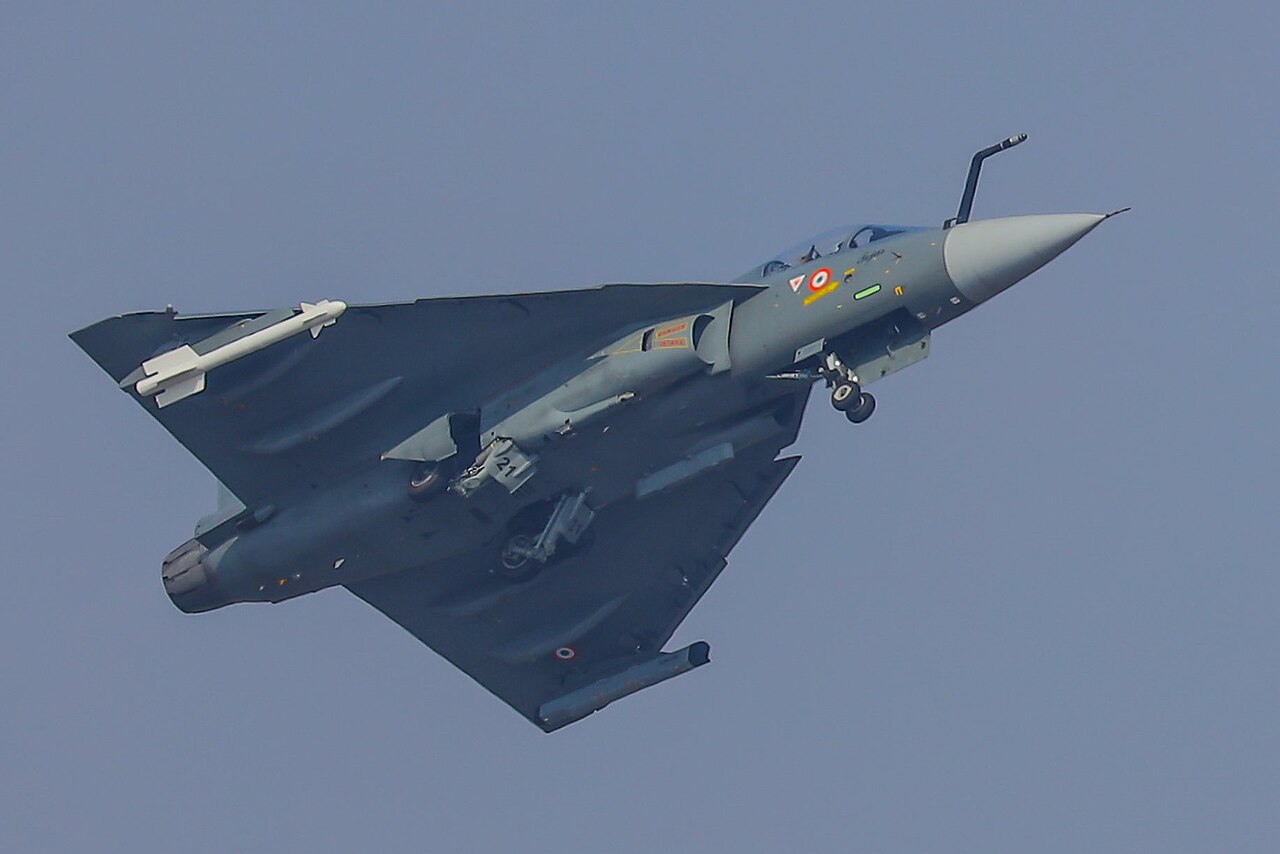
The Tejas Mk1A is an upgraded variant of India’s Light Combat Aircraft (LCA), designed to replace aging MiG and Mirage fleets and play a critical role in India’s air defence and offensive operations along contested borders. Close Combat Missiles (CCMs), also known as Within Visual Range (WVR) missiles, are essential for dogfighting and close-in engagements where pilot reflexes and missile agility determine survival.
Traditionally, the IAF has employed the Israeli Python-5 missile, praised for its high agility, lock-on after launch capability, and all-aspect attack profile. However, the ASRAAM missile, developed by MBDA and in service with the Royal Air Force and several allied forces, offers distinct advantages in weight, speed, and seeker technology that have influenced IAF’s latest procurement decisions.
Comparative Performance and Weight Advantages: ASRAAM vs. Python-5
One of the primary factors driving the IAF’s prioritization of ASRAAM is its significantly lighter weight and smaller size compared to the Python-5. The ASRAAM weighs approximately 88 kg, whereas the Python-5 weighs in the range of 110-120 kg. This weight difference has direct operational consequences:
Aircraft Agility and Payload: The lighter ASRAAM reduces the overall weight burden on the Tejas Mk1A, thereby preserving the aircraft’s high thrust-to-weight ratio and maneuverability. This is critical for close combat, where rapid changes in direction and altitude can determine missile evasion or successful engagement.
Increased Payload Flexibility: Lower missile weight allows the Tejas Mk1A to carry additional fuel or other stores, extending range or mission endurance. It also enables carriage of more weapons or sensors, enhancing multirole versatility.
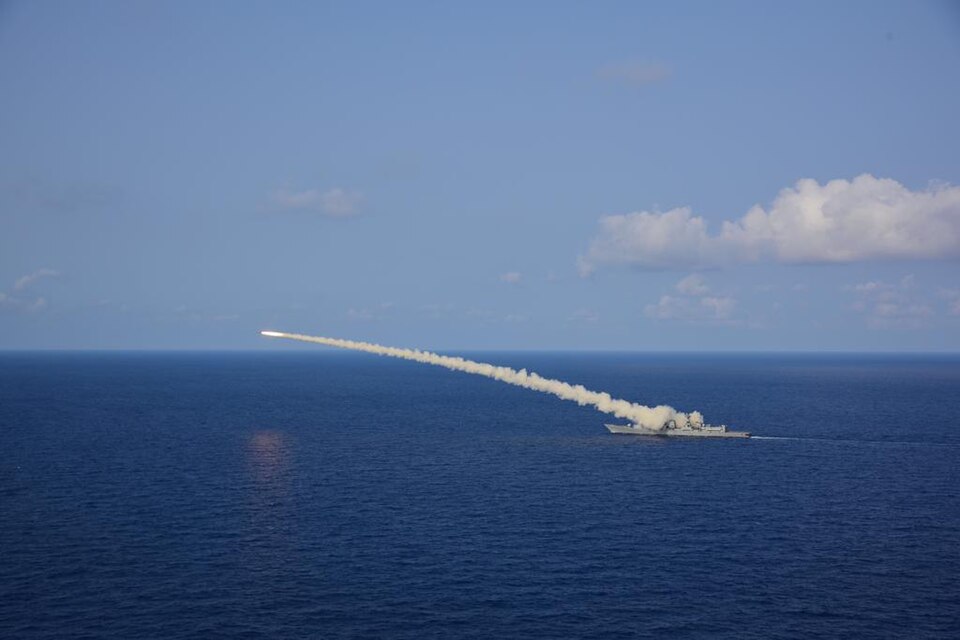
Speed and Engagement Envelope: The ASRAAM is known for its very high speed (around Mach 3.5) and advanced infrared imaging seeker with lock-on after launch capability, allowing it to engage fast, maneuvering targets beyond the pilot’s immediate line of sight. Python-5 also offers similar capabilities but at a heavier package cost.
In essence, the ASRAAM’s design philosophy emphasizes a balance of speed, seeker sophistication, and weight saving, directly feeding into the Tejas Mk1A’s operational parameters.
Impact on Tejas Mk1A’s Agility, Payload, and Close Combat Effectiveness
The integration of ASRAAM enhances the Tejas Mk1A’s combat edge in several ways:
Enhanced Dogfight Survivability: The lighter missile loadout means the fighter can maintain its superior agility and acceleration, essential for evading enemy missiles and gaining firing solutions in close combat.
Extended Mission Profiles: Weight savings translate into better fuel efficiency and/or the ability to carry additional external stores, enabling longer patrols or mixed loadouts with air-to-ground weapons, thus broadening mission roles.
Complementing Beyond Visual Range (BVR) Missiles: While the Tejas Mk1A is equipped with advanced BVR missiles such as the Israeli Derby or the indigenous Astra, the ASRAAM fills the critical WVR engagement niche with a missile designed for quick reaction and high kill probability in cluttered air combat scenarios.
Pilot Confidence and Risk Reduction: Lighter, faster missiles with advanced seekers reduce pilot workload and increase chances of kill on first shot, thus lowering the risk of prolonged engagements and pilot exposure to threats.
Broader Implications for IAF’s Pilot Risk Management and Cost Savings
India’s strategic calculus increasingly involves reducing pilot attrition in potential high-intensity conflicts, especially along sensitive borders with China and Pakistan. The choice of ASRAAM supports this by:
Reducing Pilot Exposure: Faster missile engagements with higher hit probabilities mean pilots can disengage sooner and avoid entering enemy missile envelopes.
Cost-Effectiveness: The ASRAAM’s lighter weight implies lower operational costs associated with fuel and maintenance, as aircraft are less strained. Additionally, lower missile weight can mean fewer airframe modifications and simpler integration, reducing lifecycle expenses.
Logistics and Supply Chain Benefits: Procuring ASRAAM aligns with India’s efforts to diversify missile sources and standardize logistics chains, especially as India deepens defense ties with Western countries and domestic production capabilities.
Integration Challenges and Future Upgrade Paths
While the ASRAAM presents several advantages, integrating a new missile system on an indigenous platform like Tejas Mk1A is complex:
Software and Hardware Integration: Ensuring seamless communication between the missile and the aircraft’s radar, fire control system, and pilot interface requires rigorous testing and validation. The IAF and HAL have been working closely with MBDA and DRDO labs to overcome these technical challenges.
Training and Doctrine Adjustment: Pilots and ground crew must adapt to new engagement modes and maintenance procedures. Training simulators and operational doctrines are being updated accordingly.
Future Missile Upgrades: The IAF envisions further upgrades to the Tejas Mk1A with integration of next-generation seeker technologies, possibly indigenous missile development under the DRDO’s missile programs. The ASRAAM choice serves as a baseline for future missile enhancements and potential integration of directed energy weapons or advanced electronic warfare suites.
Geopolitical and Strategic Context
India’s decision to prioritize ASRAAM is also a reflection of broader geopolitical trends:
Western Defense Partnerships: India’s growing defense collaboration with the UK, France, and other Western nations facilitates access to cutting-edge missile technology like ASRAAM, enhancing strategic autonomy.
Balancing Regional Threats: With China’s rapid induction of advanced fighters and missiles along the Line of Actual Control (LAC), and Pakistan’s acquisition of Israeli-origin missile systems, India’s missile choice aims to maintain qualitative edge.
Indigenization Drive: The IAF’s choice aligns with the “Make in India” initiative, as HAL and DRDO work to localize missile integration and develop indigenous seekers inspired by ASRAAM technology.
Conclusion
The IAF’s decision to prioritize the ASRAAM missile over the Python-5 for the Tejas Mk1A represents a carefully calibrated strategic choice focused on optimizing aircraft agility, pilot survivability, and cost-effectiveness without compromising lethal close combat capability. By integrating a lighter, faster, and technologically advanced missile, the Tejas Mk1A is poised to enhance India’s air combat readiness in the decades ahead.
This choice also underscores India’s evolving defense procurement philosophy that balances indigenous development with selective imports for critical technologies, ensuring sustainable modernization in a complex regional security landscape.
Key Takeaways
- The ASRAAM missile’s lighter weight and high speed enhance the Tejas Mk1A’s agility, payload capacity, and close combat effectiveness compared to the heavier Python-5.
- Prioritizing ASRAAM supports the IAF’s goals of reducing pilot risk, increasing first-shot kill probability, and achieving cost savings in operations and logistics.
- Integration challenges are being addressed through close collaboration between HAL, DRDO, and MBDA, with future upgrades likely to incorporate indigenous technologies aligned with India’s strategic autonomy goals.
- This missile choice reflects India’s broader geopolitical strategy of strengthening Western defense ties while advancing indigenous aerospace capabilities to maintain air superiority in a contested regional environment.
Sources
Defence News India, “Why IAF Prioritizing Lighter ASRAAM Over Python-5 as Primary Close Combat Missile for Tejas Mk1A?” (2026)
https://www.defencenews.in/threads/why-iaf-prioritizing-lighter-asraam-over-python-5-as-primary-close-combat-missile-for-tejas-mk1a.17341/HAL FY 2025-26 Revenue Report, Broadsword Blog (2026)
https://www.ajaishukla.com/2026/04/fy-2025-26-hal-registers-revenue-of-rs.htmlDRDO Official Announcements and Integration Efforts (2026)
https://www.drdo.gov.in/MBDA ASRAAM Technical Specifications and Operational Use Cases (Public Domain)