Introduction
Amid rapidly evolving security challenges along its northern and western borders, the Indian Army is actively pursuing technological innovations to enhance its battlefield capabilities. A recent development of considerable strategic interest is the push for indigenous loitering munitions (LMs) that can be launched from the 81mm smoke grenade launchers mounted on frontline main battle tanks such as the T-72, T-90, and Arjun. This move symbolizes a fusion of advanced weapons technology with India’s broader quest for self-reliance in defense under the Aatmanirbhar Bharat initiative.
Loitering munitions—sometimes referred to as “suicide drones”—represent a hybrid capability blending surveillance, reconnaissance, and precision strike abilities. Their integration with armored units promises to redefine Indian armored tactics, operational readiness, and deterrence postures, particularly in the context of the persistent armored threats posed by China and Pakistan.
This analysis explores the capabilities and tactical advantages of these indigenous loitering munitions, examines their impact on India’s armored warfare doctrine, and assesses the broader geopolitical and military strategic implications.
Loitering Munitions: Capabilities and Tactical Advantages for Tank Units
Traditional armored warfare has long relied on direct firepower, mobility, and combined arms coordination to engage adversary tanks and fortifications. However, modern battlefield realities necessitate enhanced situational awareness and the ability to strike fleeting or concealed targets beyond direct line of sight.
Loitering munitions fill this niche by offering:
- Extended Surveillance and Target Acquisition: These munitions can loiter over a battlefield area, providing real-time intelligence on enemy movements and positions, which is invaluable for tank commanders.
- Precision Strike Capability: Unlike conventional tank munitions, LM can engage targets from above, bypassing frontal armor and exploiting vulnerabilities such as roof armor or soft targets.
- Reduced Collateral Damage: The precision and controlled loitering time allow engagement of high-value targets with minimal unintended damage.
- Enhanced Survivability: By engaging enemy armor or infantry from a standoff distance, tanks reduce their exposure to direct anti-tank fire.
- Rapid Reaction: Quick launch and autonomous target engagement shorten decision cycles during high-intensity combat.
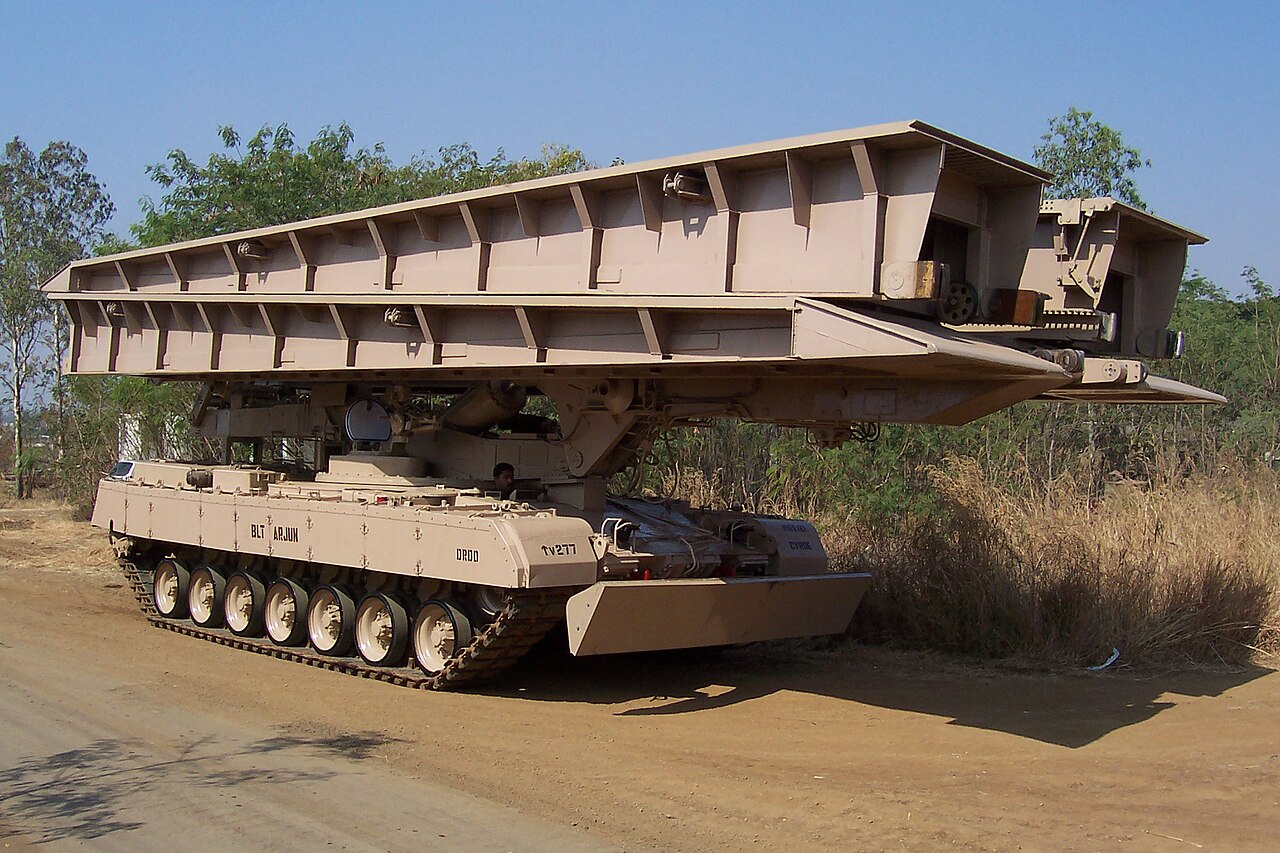
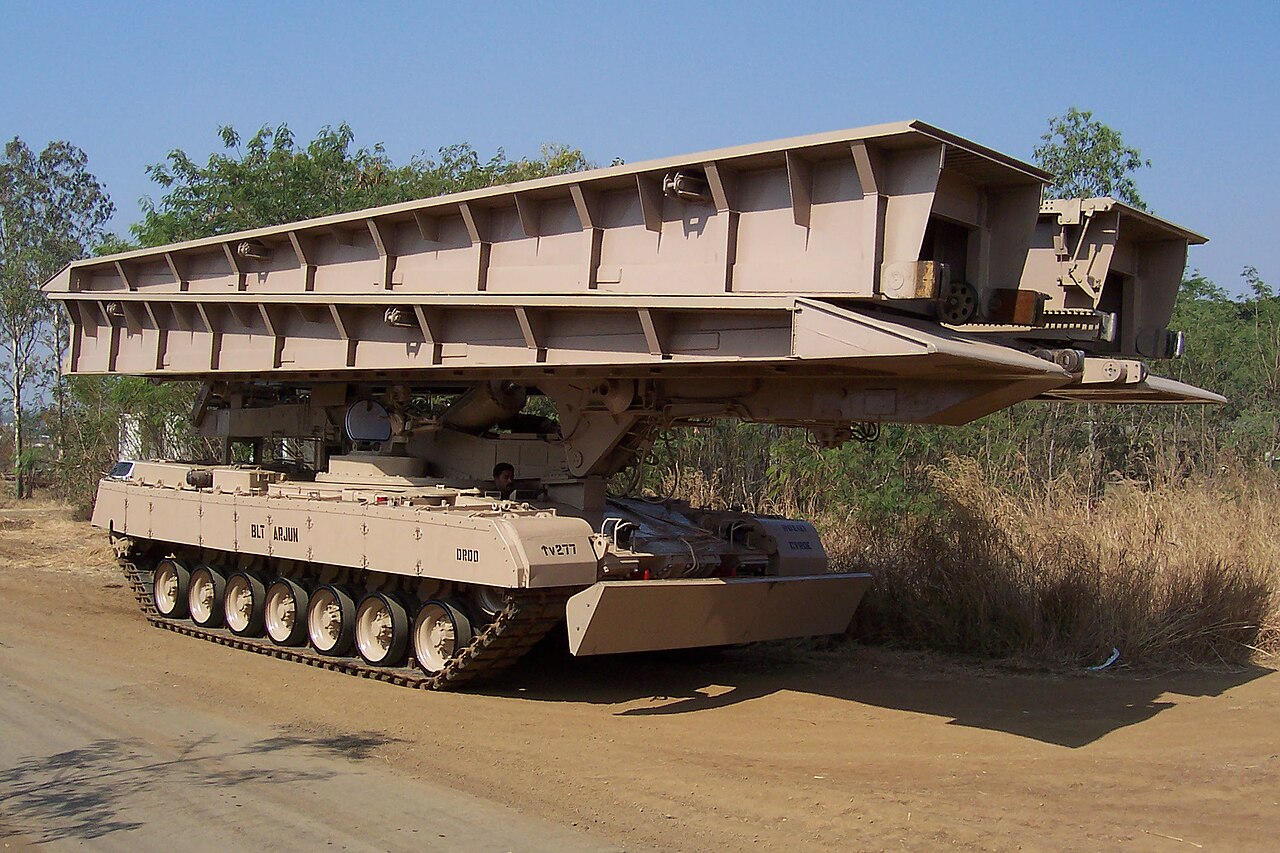
Indian tanks—the T-72 and T-90 fleets, alongside the indigenously developed Arjun—are traditionally equipped with 81mm smoke grenade launchers primarily for self-protection via obscurants. Repurposing these launchers to deploy compact loitering munitions turns them into multi-role weapons platforms, enhancing tactical flexibility without requiring significant platform modifications.
Indigenous Development and the Aatmanirbhar Defense Drive
The decision to develop these loitering munitions indigenously reflects India’s strategic emphasis on defense self-reliance. According to official releases from the Defence Research and Development Organisation (DRDO), India continues to invest heavily in advanced autonomous aerial systems, including loitering munitions, as highlighted in events such as the International Conference on Autonomous Aerial Vehicles (ICAAV) 2026, jointly organized by ADE-DRDO and Design Division-AeSI[^2].
Developing these systems domestically ensures:
- Tailored Capabilities: Indigenous designs can be optimized for Indian operational environments, including mountainous border regions and desert terrains.
- Supply Chain Security: Dependence on foreign suppliers is minimized, mitigating risks from geopolitical disruptions or embargoes.
- Cost Efficiency: Local production reduces lifecycle costs and facilitates upgrades aligned with evolving threat perceptions.
- Technology Transfer and Innovation: Encourages innovation ecosystems within India’s defense industrial base, benefiting other domains of warfare.
The indigenous LM project is emblematic of India’s broader Aatmanirbhar Bharat vision to build cutting-edge, technology-driven defense solutions that strengthen national security.
Impact on Indian Army Operational Readiness and Countermeasures
The integration of loitering munitions launchable from tank grenade launchers will significantly enhance the Indian Army’s operational readiness in several respects:
- Improved Anti-Armor Capability: Loitering munitions provide an additional layer of anti-tank capability that complements traditional kinetic weapons and guided missiles. Their ability to engage enemy armor from unexpected vectors complicates adversary defensive planning.
- Force Multiplication: By equipping tank units with organic aerial precision strike assets, the Army can reduce reliance on external air support, enabling more autonomous and flexible operations.
- Countering Evolving Threats: Both China and Pakistan have upgraded their armored and mechanized forces, often integrating drone and electronic warfare assets. Indigenous LMs provide a counterbalance by enhancing Indian tanks’ offensive and defensive reach.
- Enhanced Situational Awareness: The real-time reconnaissance capabilities of LMs improve battlefield transparency, enabling faster and more informed command decisions.
- Tactical Innovation: The ability to launch loitering munitions from existing platforms encourages new doctrines and tactics, such as “hunter-killer” teams where tanks can simultaneously scout and strike.
However, challenges remain in integrating these systems seamlessly, including training crews, developing robust command-and-control links, and ensuring electronic warfare resilience.
Regional Military Balance and Geopolitical Implications
The introduction of indigenous loitering munitions within India’s armored formations will influence the regional military balance, particularly vis-à-vis China and Pakistan:
- China: The People’s Liberation Army (PLA) has been aggressively modernizing its armored and unmanned aerial systems. India’s indigenous LM capability narrows the technological gap and provides a credible deterrent against PLA armor incursions, especially along the Line of Actual Control (LAC).
- Pakistan: With Pakistan’s continued reliance on armored and mechanized forces, supplemented by Chinese technology transfers, India’s loitering munitions enhance its ability to neutralize Pakistani armor swiftly, increasing battlefield lethality and complicating enemy operational planning.
- Deterrence Posture: The added precision strike capability strengthens India’s deterrence by denial strategy, signaling to adversaries that any armored aggression will be met with rapid, multidimensional countermeasures.
- Strategic Messaging: Indigenous development of such advanced systems underscores India’s commitment to modernizing its armed forces and reducing dependence on foreign arms imports, which has diplomatic and industrial implications.
Furthermore, this advancement aligns with India’s broader push into autonomous and unmanned systems, reinforcing its position as a technology-driven military power in South Asia.
Conclusion
India’s pursuit of indigenous loitering munitions launchable from tank grenade launchers represents a transformative step in armored warfare. By combining precision aerial strike capabilities with existing armored platforms, the Indian Army gains enhanced battlefield lethality, operational flexibility, and improved deterrence against evolving threats from China and Pakistan.
This initiative not only bolsters India’s tactical and operational capabilities but also exemplifies the country’s strategic commitment to self-reliance in defense technology. As these systems mature and integrate with armored doctrines, they will likely become a cornerstone of India’s armored and combined arms warfare paradigm, influencing regional military balances and shaping future conflict dynamics.
Key Takeaways
- Indigenous loitering munitions launchable from tank grenade launchers significantly enhance Indian tanks’ precision strike and reconnaissance capabilities.
- This development aligns with India’s Aatmanirbhar Bharat mission, strengthening defense self-reliance and technological innovation.
- Enhanced LM capabilities improve the Indian Army’s operational readiness, survivability, and ability to counter advanced armored threats from China and Pakistan.
- The integration of these munitions impacts regional military balances by augmenting India’s deterrence posture and signaling modernization progress.
Sources
- Indian Army Seeks Indigenous Loitering Munitions Launchable from T-72, T-90 and Arjun Tank’s 81mm Smoke Grenade Launchers, Defence News India, 2026-04-03
https://www.defencenews.in/threads/indian-army-seeks-indigenous-loitering-munitions-launchable-from-t-72-t-90-and-arjun-tanks-81mm-smoke-grenade-launchers.17351/ - International Conference on Autonomous Aerial Vehicles ICAAV - 2026, ADE-DRDO and Design Division-AeSI, 2026-04-03
https://www.ddaesi.in/icaav-2026 - Defence Research and Development Organisation Official Website, Technology Transfer (ToT) Schemes
https://www.drdo.gov.in/drdo/en/offerings/schemes-and-services/tot