Introduction
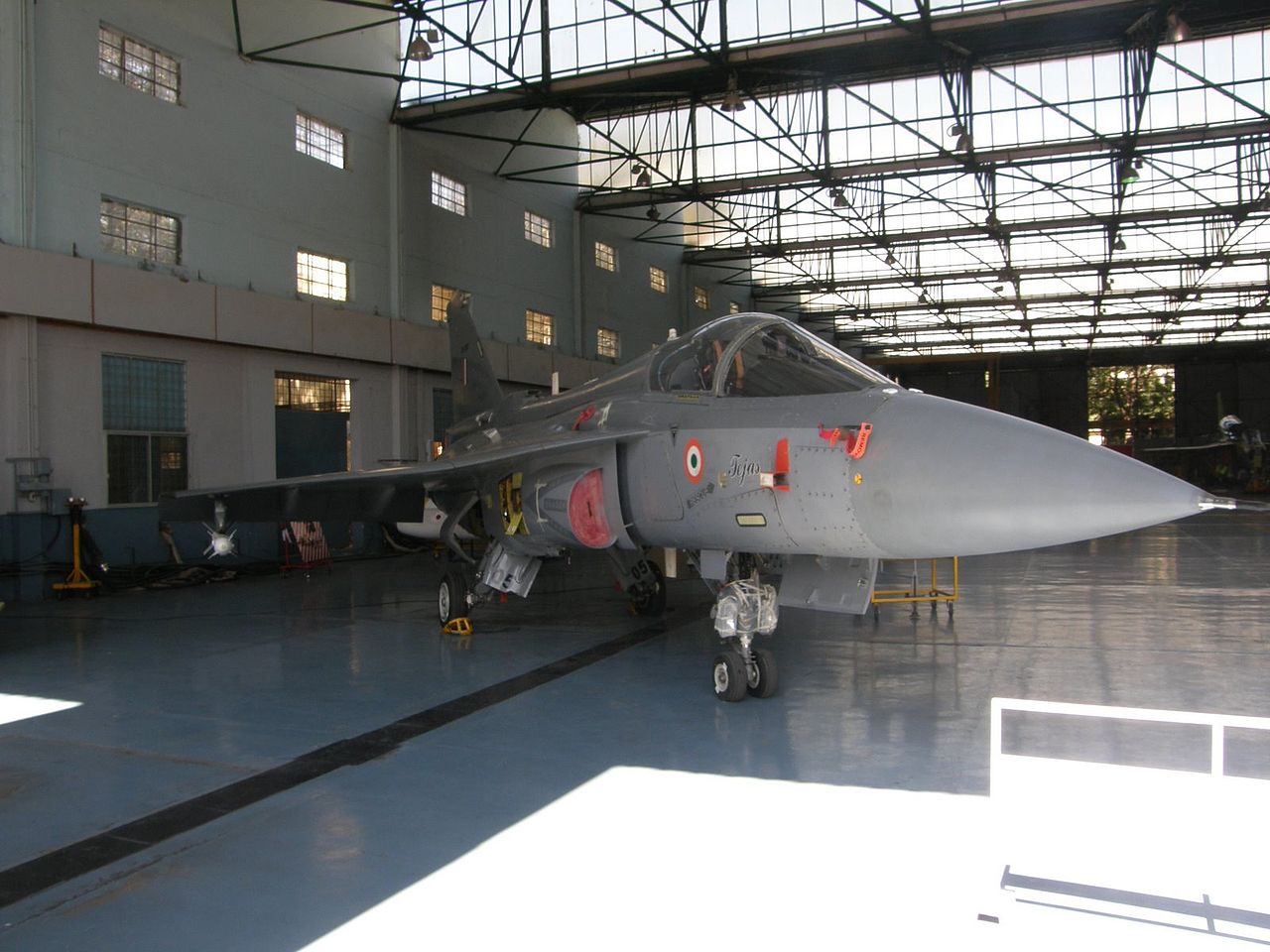
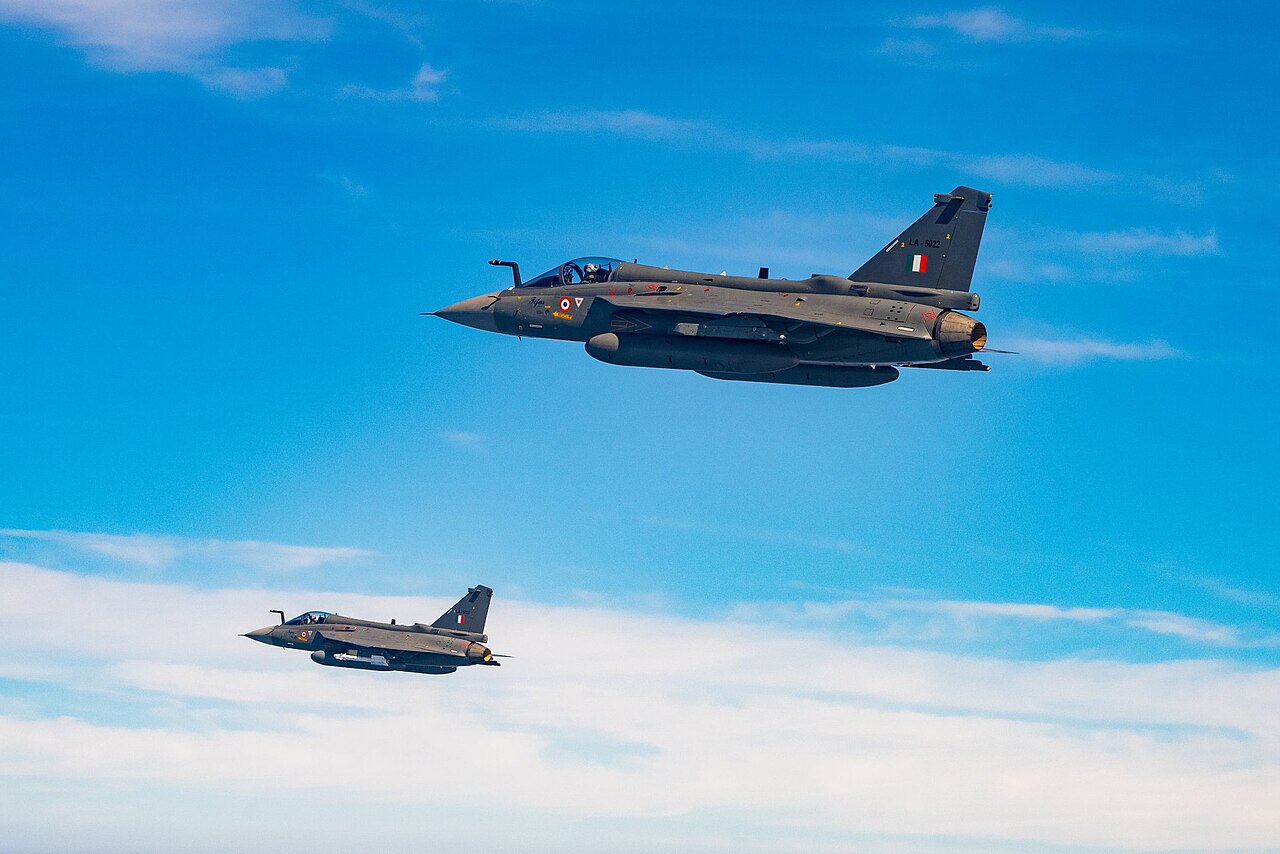
In a significant leap forward for India’s indigenous defense technology, the Uttam Active Electronically Scanned Array (AESA) radar has successfully cleared critical flight trial stages on the Tejas Light Combat Aircraft (LCA) Limited Series Production (LSP) 2 and LSP-3 prototypes. This development marks a pivotal moment in the modernization of India’s frontline fighter fleet and the ongoing efforts to achieve self-reliance in advanced military avionics under the Make in India initiative.
The Uttam AESA radar, designed and developed by the Defence Research and Development Organisation (DRDO), embodies cutting-edge radar technology that is set to replace legacy systems currently in service with the Indian Air Force (IAF). This blog post explores the technical superiority of the Uttam AESA radar, assesses the significance of these trial milestones, outlines the projected timeline for serial production, and evaluates the broader impact on India’s indigenous fighter upgrade and modernization programs.
Technical Features and Advantages of Uttam AESA Radar
The Uttam AESA radar is a state-of-the-art system that leverages thousands of transmit/receive modules to electronically steer its radar beam, eliminating the need for mechanical movement. This technology brings multiple advantages over traditional mechanically scanned array radars:
Enhanced Target Detection and Tracking: The AESA radar offers superior range and resolution, enabling the detection of smaller, low-observable targets at greater distances. This capability is crucial for situational awareness and targeting in complex aerial combat environments.
Multi-Target Engagement: Uttam can simultaneously track multiple aerial and ground targets, providing the pilot with real-time data to engage threats efficiently.
Improved Electronic Counter-Countermeasures (ECCM): AESA radars are less susceptible to jamming due to their rapid beam steering and frequency agility, enhancing survivability against electronic warfare tactics.
Reduced Radar Cross-Section and Weight: The compact, solid-state design contributes to lower radar cross-section and weight savings, which are vital for maintaining the Tejas aircraft’s agility and performance.
Reliability and Maintainability: With fewer moving parts, the radar system promises higher reliability and easier maintenance, reducing life-cycle costs.
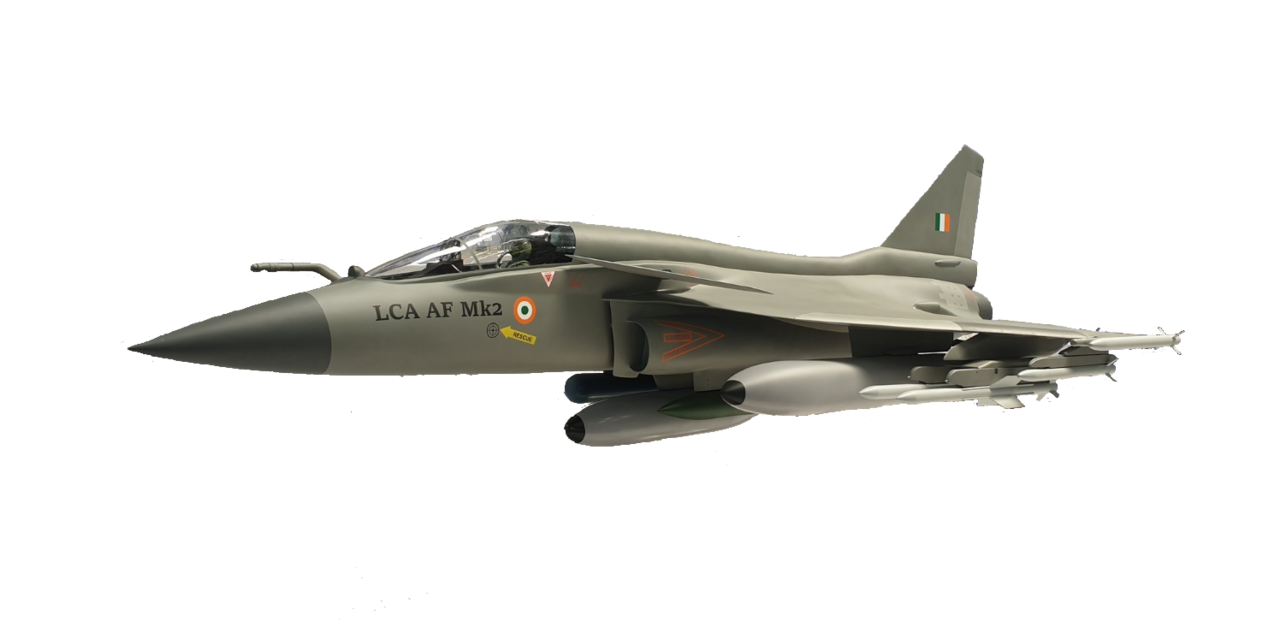
These technical advantages translate into a substantial capability upgrade for the Tejas Mk1A and future Mk2 variants, enabling the IAF to operate in increasingly contested and sophisticated threat environments.
Significance of Trial Milestones on Tejas Prototypes
The flight trials conducted on Tejas LSP-2 and LSP-3 prototypes are critical steps in validating the radar’s operational readiness and integration with the aircraft’s avionics suite. Successful clearance of these trial stages confirms:
Seamless Integration: The radar’s compatibility with the Tejas platform’s sensors, weapons systems, and mission computers ensures operational coherence.
Performance Validation: Real-world flight tests have demonstrated the radar’s reliability, target detection accuracy, and multi-mode operational capabilities, including air-to-air and air-to-ground functionalities.
Readiness for Induction: These milestones pave the way for the radar’s formal certification and eventual induction into the IAF’s Tejas fleet, enhancing the combat effectiveness of frontline squadrons.
Moreover, the trials underscore India’s growing proficiency in indigenous radar technology development, reducing dependence on foreign suppliers and mitigating vulnerabilities associated with import restrictions or geopolitical uncertainties.
Projected Timeline and Production Readiness for Serial Manufacture
Following the successful trials on LSP-2 and LSP-3, the next phase involves finalizing the radar design for series production. Industry sources and DRDO officials indicate:
Production Readiness: The radar system is expected to enter serial manufacture within the next 12 to 18 months, with Bharat Electronics Limited (BEL) and other public sector undertakings playing a key role in scaling up production under government-supported Make in India programs.
Fleet Induction: The first batch of Tejas Mk1A fighters equipped with the Uttam AESA radar is projected to be delivered to the IAF by 2027-28, significantly enhancing squadron capabilities.
Future Upgrades: The radar architecture is designed with modularity, enabling incremental upgrades such as enhanced software algorithms, integration with new weapon systems, and compatibility with future Tejas Mk2 variants.
This timeline aligns with the IAF’s urgent requirements to modernize its fighter fleet amid evolving regional security challenges.
Contribution to India’s Indigenous Fighter Upgrade and Modernization Programs
The Uttam AESA radar’s success is emblematic of broader trends in India’s defense modernization agenda:
Strengthening Self-Reliance: By developing and producing critical avionics indigenously, India reduces dependency on foreign technology and supply chains, reinforcing strategic autonomy.
Enhancing Operational Capabilities: Advanced radars like Uttam boost the lethality and survivability of Indian fighters, enabling them to meet contemporary and future threats effectively.
Synergy with Other Indigenous Programs: The radar complements other indigenous efforts, such as the Kaveri engine development, Astra missile integration, and electronic warfare suite enhancements, contributing to a holistic upgrade of the Tejas platform.
Export Potential: With advanced indigenous technology, India can position Tejas as a competitive fighter aircraft in the global market, supporting defense diplomacy and strategic partnerships.
From a geopolitical perspective, the enhanced capabilities conferred by the Uttam AESA radar will enable the IAF to maintain a qualitative edge along India’s borders, particularly in the context of persistent challenges from adversaries like China and Pakistan, who are also rapidly modernizing their air forces.
Geopolitical Context and Strategic Implications
India’s pursuit of indigenous AESA technology comes at a time when regional air power dynamics are undergoing rapid transformation. China’s deployment of advanced J-20 stealth fighters and Pakistan’s induction of Chinese-origin JF-17 Block III aircraft equipped with modern radars have shifted the operational environment. In this context:
The Uttam AESA radar ensures that the IAF’s Tejas fleet can effectively counter advanced aerial threats, maintain air superiority, and conduct precision strikes.
It reinforces India’s deterrence posture and contributes to securing its airspace and borders.
The success of such indigenous programs reduces vulnerabilities stemming from international sanctions or supply disruptions, ensuring continuity in modernization.
It supports the broader Make in India vision by fostering a domestic defense industrial base capable of high-technology production and innovation.
Conclusion
The successful flight trials of the Uttam AESA radar on Tejas LSP-2 and LSP-3 prototypes represent a milestone achievement for India’s indigenous defense technology ecosystem. This advancement not only enhances the combat capabilities of the IAF’s next-generation fighters but also signifies a strategic shift towards self-reliance and technological sovereignty in critical military domains.
As India moves towards serial production and fleet induction of the radar-equipped Tejas fighters, it strengthens its air power architecture amidst a complex and evolving security landscape. The Uttam AESA radar is set to become a cornerstone of India’s future air combat capabilities, embodying the synergy of innovation, strategic foresight, and national resolve.
Key Takeaways
The Uttam AESA radar offers substantial technical superiority over legacy systems, including enhanced detection, multi-target tracking, and electronic counter-countermeasures.
Successful flight trials on Tejas LSP-2 and LSP-3 prototypes validate the radar’s operational readiness and integration, paving the way for IAF induction.
Serial production is expected within 12-18 months, aligning with IAF modernization timelines and Make in India objectives.
The radar significantly contributes to India’s indigenous fighter upgrade programs, enhancing self-reliance and operational capabilities in a challenging geopolitical environment.
Sources
Defence News India, “Uttam AESA Radar Clears Critical Flight Trial Stages on Tejas LSP-2 and LSP-3 Prototypes,” published 2026-04-09. Link
DRDO Official Website, Technology Transfer and Indigenous Development Schemes, accessed 2026-04-09. Link
Institute for Defence Studies and Analyses (IDSA), related defense technology insights.
Contextual analysis based on current geopolitical dynamics in South Asia.